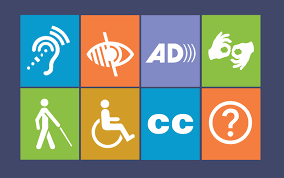
In an increasingly digital world, ensuring that online content and platforms are accessible to everyone is not just a legal obligation but a moral imperative. Digital accessibility standards are designed to make digital content, such as websites, applications, and documents, usable by individuals with disabilities. Adhering to these standards not only promotes inclusivity but also enhances the user experience for all. This article explores the importance of digital accessibility standards, key guidelines, and the benefits of implementing them.
What Are Digital Accessibility Standards?
Digital accessibility standards are a set of guidelines and best practices aimed at making digital content accessible to individuals with various disabilities. These standards ensure that people with visual, auditory, motor, or cognitive impairments can effectively interact with digital resources. The primary goal is to create an inclusive digital environment that accommodates all users, regardless of their abilities.
Key Digital Accessibility Standards
- Web Content Accessibility Guidelines (WCAG): Developed by the World Wide Web Consortium (W3C), the WCAG is the most widely recognized set of guidelines for web accessibility. The latest version, WCAG 2.1, includes four main principles:Perceivable: Information and user interface components must be presented in ways that users can perceive. This includes providing text alternatives for non-text content and ensuring content is adaptable to different devices and environments.
Operable: User interface components and navigation must be operable by all users. This includes making sure that all functionalities are accessible via keyboard and that users have enough time to read and interact with content.
Understandable: Information and user interfaces must be understandable. This involves using clear and consistent language and ensuring that web pages are predictable and easy to navigate.
Robust: Content must be robust enough to be reliably interpreted by a wide range of user agents, including assistive technologies. This means adhering to web standards and ensuring compatibility with various devices and browsers.
- Americans with Disabilities Act (ADA): In the United States, the ADA requires that digital content be accessible to individuals with disabilities. Although the ADA does not specify technical standards, it has been interpreted to include digital accessibility, prompting organizations to align with WCAG guidelines to ensure compliance.
- Section 508 of the Rehabilitation Act: This U.S. federal law mandates that electronic and information technology developed, procured, maintained, or used by federal agencies must be accessible to people with disabilities. Section 508 aligns closely with WCAG standards and provides specific criteria for compliance.
Benefits of Implementing Digital Accessibility Standards
- Legal Compliance: Adhering to accessibility standards helps organizations comply with legal requirements, reducing the risk of lawsuits and penalties. Many countries have laws that mandate digital accessibility, and non-compliance can lead to legal consequences.
- Inclusive User Experience: Accessibility standards ensure that digital content is usable by a broader audience, including individuals with disabilities. This inclusivity not only enhances user satisfaction but also expands the potential user base.
- Improved Usability: Accessible design often leads to improved overall usability. Features such as clear navigation, alternative text for images, and keyboard-friendly interfaces benefit all users, including those without disabilities.
- Enhanced Reputation: Organizations that prioritize digital accessibility demonstrate a commitment to social responsibility and inclusivity. This can enhance their reputation and foster positive public perception.
- Future-Proofing: Implementing accessibility standards helps ensure that digital content remains usable as technology evolves. By adhering to established guidelines, organizations can create content that is adaptable and sustainable over time.
Conclusion
Digital accessibility standards are essential for creating inclusive and equitable digital environments. By following guidelines such as WCAG, ADA, and Section 508, organizations can ensure that their digital content is accessible to all users, including those with disabilities. Implementing these standards not only helps meet legal requirements but also improves usability, enhances user experience, and bolsters organizational reputation. In an era where digital inclusion is paramount, adhering to digital accessibility standards is both a responsible and beneficial practice for any organization.