Dyslexia, a common learning difference, affects the way individuals process written and spoken language. People with dyslexia often struggle with reading fluently and decoding words, making traditional reading methods challenging. Enhancing readability for dyslexia involves employing specific strategies and tools that cater to the unique needs of dyslexic readers. This article explores practical approaches to improve readability and foster a more inclusive reading environment for those affected by dyslexia.
Understanding Dyslexia and Its Challenges
Dyslexia is characterized by difficulties with accurate and/or fluent word recognition and by poor spelling and decoding abilities. These challenges stem from differences in how the brain processes written language. Common symptoms include slow reading speed, difficulty with phonemic awareness (the ability to hear and manipulate sounds), and trouble with spelling. Dyslexia is not a reflection of intelligence; rather, it highlights the need for alternative strategies to support effective reading.
Strategies to Enhance Readability for Dyslexia
- Use Dyslexia-Friendly Fonts and Text Formats
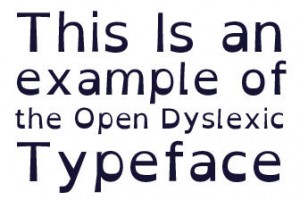
One of the simplest yet effective ways to improve readability is by using dyslexia-friendly fonts such as Arial, Comic Sans, or OpenDyslexic. These fonts are designed with clearer, more distinct letter shapes that help reduce letter confusion. Additionally, formatting text with larger font sizes, increased line spacing, and ample margins can make reading less strenuous. Avoiding dense blocks of text and using bullet points or numbered lists can also aid in comprehension.
- Incorporate Text-to-Speech Tools
Text-to-speech (TTS) tools are invaluable for dyslexic readers. These tools convert written text into spoken words, allowing individuals to listen to content rather than reading it. TTS software can be integrated into various devices and applications, providing flexibility and accessibility. This auditory approach can reinforce word recognition and comprehension, making it easier for dyslexic readers to engage with the material.
- Leverage Visual Aids and Graphic Organizers
Visual aids such as diagrams, charts, and illustrations can significantly enhance understanding for dyslexic readers. Graphic organizers, including mind maps and flowcharts, help break down complex information into more manageable chunks. These tools support the organization of thoughts and concepts, aiding in better retention and comprehension of the material. By visualizing information, dyslexic individuals can connect ideas more effectively and improve overall reading comprehension.
- Provide Text with High Contrast and Background Options
High-contrast text and background combinations, such as black text on a yellow background or white text on a blue background, can reduce visual stress and improve readability. Many dyslexic readers find that certain color contrasts make the text easier to read and less tiring on the eyes. Experimenting with different color schemes and providing options for background customization can help individuals find the most comfortable reading setup.
- Adopt Multi-Sensory Learning Techniques
Multi-sensory learning techniques engage multiple senses to reinforce learning. For dyslexic readers, combining visual, auditory, and tactile experiences can enhance reading skills. Techniques such as tracing words with fingers while reading aloud, using apps that integrate audio and visual elements, or employing interactive e-books with built-in narration can make reading more engaging and effective.
Conclusion
Enhancing readability for dyslexia requires a thoughtful approach that considers the unique needs of dyslexic readers. By utilizing dyslexia-friendly fonts, incorporating text-to-speech tools, leveraging visual aids, providing high-contrast text options, and adopting multi-sensory learning techniques, we can create a more inclusive reading environment. These strategies not only support dyslexic individuals in their reading journey but also promote a greater understanding and acceptance of diverse learning needs. Embracing these practices ensures that everyone has the opportunity to engage with and enjoy the written word, paving the way for a more equitable educational experience.