In today’s digital age, ensuring that websites and digital platforms are accessible to everyone, including people with disabilities, is more critical than ever. The Americans with Disabilities Act (ADA) is a significant piece of legislation that mandates equal access to all aspects of public life, including digital content. However, ada compliance levels can be complex, as it involves various levels and standards. Understanding these compliance levels is crucial for businesses and organizations aiming to meet legal requirements and foster inclusivity.
What is ADA Compliance?
ADA compliance refers to the adherence to the Americans with Disabilities Act, which prohibits discrimination based on disability and mandates equal access to services and facilities. In the context of websites and digital content, ADA compliance means ensuring that all digital content is accessible to people with disabilities, such as those who use screen readers or other assistive technologies.
ADA Compliance Levels Explained
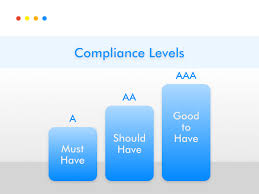
ADA compliance is generally aligned with the Web Content Accessibility Guidelines (WCAG), which are developed by the World Wide Web Consortium (W3C) to provide a roadmap for web accessibility. The WCAG outlines three levels of compliance: A, AA, and AAA. Here’s a breakdown of these levels:
- Level A (Minimum Accessibility)
Level A is the most basic web accessibility requirement. It includes fundamental web functionalities necessary for users to access content. Websites meeting Level A standards ensure that the site is operable and navigable, even if it does not meet all accessibility needs. For example, Level A compliance involves ensuring that all images have alt text so that users who rely on screen readers can understand the content. However, achieving Level A compliance alone may not be sufficient to fully address the needs of all users with disabilities.
- Level AA (Mid-Range Accessibility)
Level AA is considered the standard level of accessibility for most organizations and is often the goal for achieving ADA compliance. It addresses a broader range of accessibility issues compared to Level A, including more detailed requirements such as providing text alternatives for non-text content, making content more adaptable, and ensuring that all functionality is available from a keyboard. Compliance at this level ensures that the website or digital content is more inclusive, improving usability for a wider audience.
- Level AAA (Highest Accessibility)
Level AAA represents the highest and most comprehensive level of web accessibility. It includes all requirements from Levels A and AA, plus additional measures to enhance accessibility further. For instance, Level AAA guidelines focus on providing sign language interpretation, more advanced text alternatives, and other features that accommodate specific needs, such as cognitive disabilities. Achieving Level AAA compliance can be very challenging and may not be feasible for all websites due to the extensive requirements. However, striving for Level AAA where possible demonstrates a strong commitment to inclusivity.
Why Compliance Matters
Achieving ADA compliance is not just about legal obligations; it is also about ethical responsibility and inclusivity. Accessible websites ensure that all individuals, regardless of their abilities, can access and interact with digital content. This inclusivity can lead to a broader audience reach, enhance user experience, and improve brand reputation.
Conclusion
Navigating ADA compliance levels requires a clear understanding of the standards and a commitment to accessibility. While Level A provides basic accessibility, Levels AA and AAA offer more comprehensive solutions to ensure that digital content is accessible to all users. By prioritizing these compliance levels, organizations can not only meet legal requirements but also create a more inclusive digital environment. As accessibility continues to evolve, staying informed about the latest guidelines and best practices is essential for maintaining compliance and fostering inclusivity in the digital world.