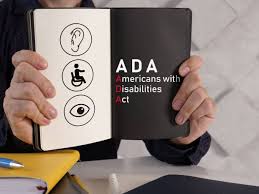
As digital content becomes an integral part of everyday life, web accessibility is increasingly important. Websites must be designed to be accessible to everyone, including individuals with disabilities. One key component of accessible web design is ensuring that images are properly formatted for accessibility. ADA compliance images are images that meet the accessibility standards outlined in the Americans with Disabilities Act (ADA), helping to create a more inclusive and accessible online environment.
What Are ADA Compliance Images?
ADA compliance images refer to images on a website that meet specific accessibility guidelines. These guidelines are set to ensure that people with disabilities, particularly those with visual impairments, can access and understand content on the web. The primary way to ensure ADA compliance for images is by providing alternative text (alt text). Alt text is a written description of an image that can be read aloud by screen readers, helping users who are blind or have low vision understand the image's content.
In essence, ADA compliance images are those that ensure equal access to information for everyone, regardless of their abilities. Without these images being properly described, users with disabilities may miss out on key content and context, thus hindering their overall web experience.
Why ADA Compliance for Images Is Crucial
The ADA requires that websites be accessible to individuals with disabilities, and this includes providing accessible alternatives to visual elements like images. Many users who are blind or have low vision rely on screen readers to navigate websites. Without descriptive alt text, these users would struggle to understand the meaning of images on a page.
For example, an image of a dog running in the park should have alt text like: “A golden retriever running through a grassy park on a sunny day.” This simple description allows users to visualize the scene, even though they cannot see the image themselves. Providing ADA compliance images ensures that all users can fully engage with content, creating a more inclusive online experience.
Best Practices for ADA Compliance Images
To ensure your images are compliant with ADA guidelines, here are some best practices to follow:
- Use Descriptive Alt Text: Alt text should be clear, concise, and descriptive. Avoid using generic phrases like “image of” or “picture of” and focus on describing what’s important in the image. If the image is complex, like a chart or graph, provide a brief explanation of its meaning.
- Be Concise: While alt text should be descriptive, it should also be concise. Aim for a length of about 125 characters. Screen readers may cut off longer descriptions, so it’s best to keep the information brief but comprehensive.
- Decorative Images: For images that don’t add meaningful content to the page, such as decorative elements, leave the alt text empty (alt=""). This ensures that screen readers won’t waste time reading irrelevant descriptions.
- Image Context: Consider the context in which an image is used. Sometimes, the context can alter the meaning of an image. Make sure your alt text reflects the image’s purpose in the context of the surrounding content.
- Test for Compliance: Regularly check your website for ADA compliance using accessibility tools and automated checkers. These tools can help identify images without alt text or those that may not fully comply with accessibility standards.
The Benefits of ADA Compliance Images
Ensuring your images are ADA-compliant brings multiple benefits. Not only does it help you avoid legal challenges—since non-compliance with ADA standards can result in lawsuits or penalties—but it also enhances the overall user experience for all visitors. Additionally, accessible images can improve your website’s search engine optimization (SEO). Search engines use alt text to index images, so having descriptive alt text can improve your rankings.
Conclusion
ADA compliance images are an essential part of creating an inclusive and accessible web experience. By adding alt text and following best practices for accessibility, you ensure that all users, regardless of their abilities, can understand and engage with the content on your website. Complying with ADA guidelines not only fosters a more inclusive environment but also improves your website’s overall usability and SEO, making it a win-win for both your audience and your brand.