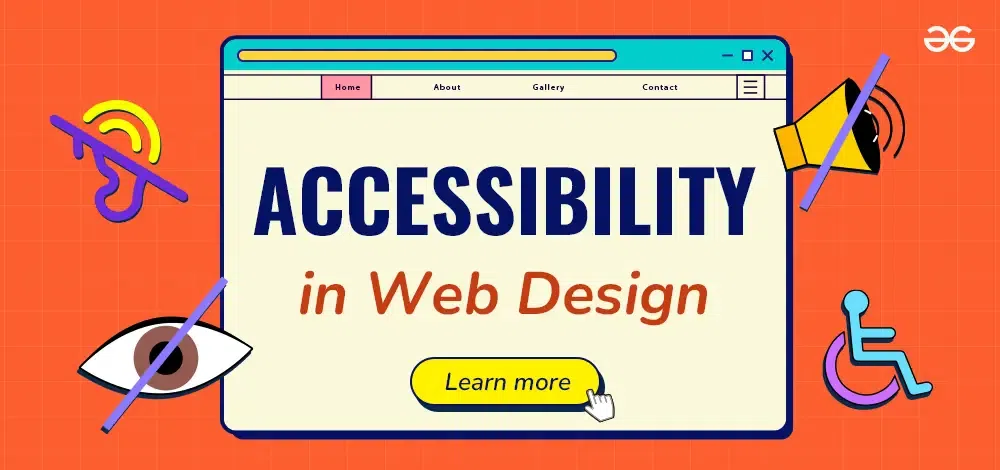
In today’s digital-first world, ensuring your website is accessible to all users isn't just good practice—it's essential. With increasing emphasis on inclusivity and legal compliance, an accessibility checklist becomes a vital tool for website owners, developers, and designers. Whether you're updating your existing site or launching a new one, this checklist serves as your roadmap to creating a more inclusive online experience.
What Is an Accessibility Checklist?
An accessibility checklist is a structured guide that helps identify and correct issues that may prevent people with disabilities from fully engaging with your website. It typically includes guidelines based on standards such as the Web Content Accessibility Guidelines (WCAG) and ADA (Americans with Disabilities Act) compliance. The checklist breaks down complex accessibility principles into actionable items, making it easier to ensure your content is perceivable, operable, understandable, and robust.
Why Accessibility Matters
More than 1 billion people globally live with some form of disability. These users rely on screen readers, keyboard navigation, and other assistive technologies to browse the internet. If your website isn't accessible, you’re not only alienating a large segment of the population, but you may also be exposing your business to legal risks.
In the U.S., lawsuits related to website accessibility are on the rise. Businesses of all sizes have faced legal challenges for failing to meet accessibility standards. An accessibility checklist helps you proactively address potential problems before they become liabilities.
Key Elements of a Strong Accessibility Checklist
To make your website truly inclusive, your checklist should cover the following areas:
1. Text Alternatives
Ensure all images have descriptive alt text, and that multimedia content includes captions or transcripts.
2. Keyboard Navigation
Users should be able to navigate all parts of your website using only a keyboard, without getting trapped in interactive elements.
3. Color Contrast
Maintain a high contrast ratio between text and background to improve readability for users with visual impairments.
4. Forms and Labels
All form fields should be clearly labeled and provide helpful instructions or error messages when needed.
5. Page Structure
Use proper HTML headings (H1, H2, H3) to create a logical document structure. This is crucial for screen readers and overall user experience.
6. ARIA Landmarks
ARIA (Accessible Rich Internet Applications) roles help assistive technologies understand the structure and functionality of web content.
Benefits of Using an Accessibility Checklist
- Improved SEO: Many accessibility practices, like using alt text and semantic HTML, also enhance search engine optimization.
- Better UX for All: Accessible design often results in cleaner, more user-friendly interfaces.
- Legal Protection: Compliance with ADA and WCAG guidelines reduces your risk of facing accessibility lawsuits.
- Expanded Audience: An accessible site reaches a broader demographic, including aging populations and users with temporary impairments.
Final Thoughts
An accessibility checklist isn’t just for large corporations or government websites—it’s for anyone who values inclusivity, usability, and legal peace of mind. By implementing even a basic checklist, you make a powerful commitment to digital equality.
Start your journey with the right tools. Use the accessibility checklist to create a web experience that welcomes everyone, regardless of ability.