Uganda budget safaris provide an excellent way to experience East Africa’s wildlife, landscapes, and cultural richness without excessive spending. Travelers seeking affordability still gain access to national parks, rare species, and vibrant ecosystems. Careful planning, smart choices, and flexibility allow visitors to enjoy memorable safaris while staying within a reasonable budget.

Why Choose Uganda for Budget Safaris?
Uganda stands out as a destination that combines biodiversity, accessibility, and cost efficiency. The country hosts diverse ecosystems ranging from savannah plains to dense rainforests. These environments support a wide variety of wildlife, including elephants, lions, and primates.
Budget-conscious travelers benefit from comparatively lower park fees and accommodation costs than neighboring destinations. Uganda budget safaris also offer unique experiences such as gorilla trekking, which remains a major attraction. The balance between cost and experience makes Uganda an appealing option for travelers seeking value.
Key National Parks for Budget Safaris
Uganda features several national parks that cater to different wildlife interests. Each park offers opportunities for budget-friendly exploration.
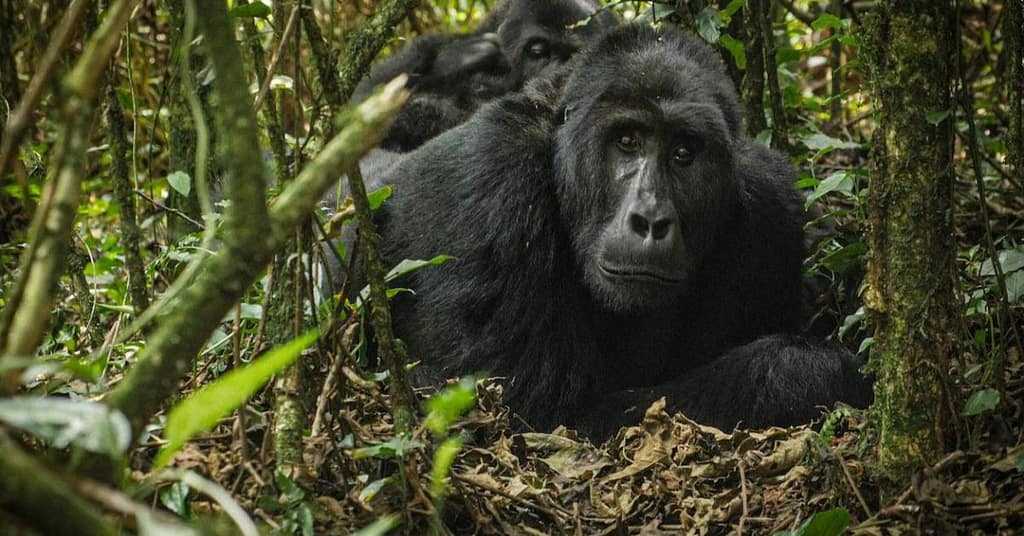
Murchison Falls National Park
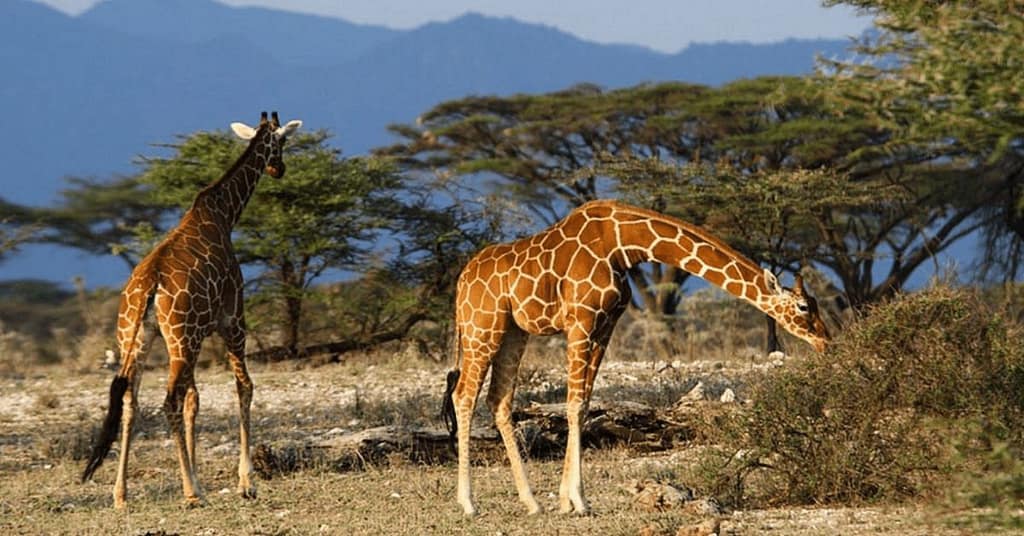
This park provides a mix of savannah wildlife and scenic landscapes. Visitors can view giraffes, buffaloes, and crocodiles along the Nile River. Budget lodges and campsites near the park reduce overall travel expenses.
Queen Elizabeth National Park
Known for its diverse ecosystems, this park offers game drives and boat cruises. Travelers often spot tree-climbing lions and large herds of elephants. Affordable accommodations surround the park, making it suitable for budget trips.
Bwindi Impenetrable National Park
This forest park attracts visitors interested in gorilla trekking. While permits require a higher investment, travelers can manage costs by choosing budget lodging and shared transport options.
Kibale National Park
Kibale offers chimpanzee tracking experiences at relatively lower costs. Budget travelers appreciate the park’s accessibility and variety of accommodation choices.
Budget Accommodation Options
Accommodation plays a significant role in shaping the cost of Uganda budget safaris. Travelers can reduce expenses without sacrificing comfort by selecting suitable options.
- Campsites: Provide the most affordable option, often located near park boundaries
- Budget lodges: Offer basic amenities at reasonable prices
- Guesthouses: Located in nearby towns and provide cost-effective alternatives
- Hostels: Suitable for solo travelers seeking low-cost shared facilities
Many budget accommodations maintain cleanliness and safety while offering essential services. Travelers benefit from booking early to secure better rates.
Transportation Choices for Budget Travelers
Transportation costs can significantly influence safari expenses. Uganda budget safaris become more affordable with careful transport planning.
Public Transport
Public buses and minibuses connect major towns and cities. While these options reduce costs, they require flexibility and patience.
Shared Safari Vehicles
Group tours or shared vehicles lower transportation costs by splitting expenses among travelers.
Self-Drive Options
Renting a vehicle allows flexibility. Budget travelers can reduce costs by sharing rental fees and fuel expenses.
Motorcycle Taxis
Short-distance travel within towns becomes cheaper with motorcycle taxis, commonly known as boda bodas.
Best Time for Budget Safaris
Seasonal timing affects both pricing and wildlife visibility. Travelers planning Uganda budget safaris often choose periods that balance cost and experience.
Low Season Advantages
- Lower accommodation rates
- Fewer tourists in parks
- Increased availability of permits
Dry Season Benefits
- Easier wildlife spotting due to sparse vegetation
- Better road conditions for travel
- Comfortable safari experiences
Budget travelers often prefer shoulder seasons, which combine moderate prices with favorable conditions.
Wildlife Experiences on a Budget
Uganda budget safaris still offer remarkable wildlife encounters. Visitors can participate in several activities without overspending.
- Game drives in national parks
- Boat safaris along rivers and lakes
- Birdwatching tours
- Guided nature walks
These activities provide opportunities to see diverse species while maintaining affordability. Early morning and late afternoon excursions increase chances of spotting animals.
Gorilla Trekking on a Budget
Gorilla trekking remains one of Uganda’s most sought-after experiences. Although permits involve a higher cost, travelers can still manage expenses effectively.
- Choose budget lodges near trekking areas
- Travel in groups to share transport costs
- Book permits during less busy periods
- Limit additional luxury services
Despite the cost, the experience delivers exceptional value due to its uniqueness and conservation significance.
Cultural Experiences and Community Visits
Uganda budget safaris extend beyond wildlife. Cultural interactions enrich travel experiences while remaining affordable.
Visitors can explore local villages, attend traditional performances, and learn about indigenous practices. Community-based tourism initiatives often provide low-cost opportunities to engage with local cultures.
Supporting local communities also contributes to sustainable tourism. Travelers gain meaningful insights while helping preserve cultural heritage.
Food and Dining on a Budget
Food expenses remain manageable during Uganda budget safaris. Local cuisine offers affordable and satisfying options.
- Street food stalls serve traditional dishes at low prices
- Small restaurants provide budget-friendly meals
- Markets offer fresh fruits and snacks
Travelers can further reduce costs by selecting accommodations that include meals or kitchen access.
Tips for Saving Money on Uganda Budget Safaris
Budget planning ensures a smooth and cost-effective safari experience. Travelers can follow these practical strategies:
- Book accommodations and permits in advance
- Travel in groups to share expenses
- Choose budget lodging instead of luxury resorts
- Use public transport when possible
- Avoid peak travel seasons
- Pack essential items to reduce additional purchases
These measures help travelers maintain control over expenses while enjoying memorable experiences.
Packing Essentials for Budget Safaris
Packing efficiently reduces unexpected costs and enhances convenience. Travelers should include:
- Lightweight clothing suitable for warm climates
- Comfortable walking shoes
- Rain gear for unpredictable weather
- Reusable water bottles
- Basic first aid supplies
Proper preparation minimizes the need for last-minute purchases, which often cost more.
Safety Considerations for Budget Travelers
Safety remains a priority during Uganda budget safaris. Travelers should follow standard precautions:
- Keep valuables secure
- Follow park regulations
- Use licensed guides for trekking activities
- Stay informed about local conditions
Responsible behavior ensures a safe and enjoyable journey.
Sustainable Travel Practices
Uganda budget safaris can align with sustainable tourism principles. Travelers should respect wildlife, avoid littering, and support eco-friendly accommodations.
Sustainable practices help preserve natural habitats and maintain the integrity of national parks. Responsible tourism benefits both visitors and local communities.
Sample Budget Safari Itinerary
A well-planned itinerary helps optimize time and expenses. A sample budget-friendly plan may include:
Day 1: Arrival and transfer to a budget lodge
Day 2: Travel to a national park and evening game drive
Day 3: Full-day wildlife activities
Day 4: Optional cultural visit or trekking experience
Day 5: Return journey and departure
This structure allows travelers to experience multiple activities without exceeding budget limits.
Challenges of Budget Safaris
While Uganda budget safaris offer affordability, travelers may encounter certain challenges.
- Limited luxury amenities
- Longer travel times with public transport
- Basic accommodation facilities
Proper planning helps mitigate these challenges and ensures a comfortable experience.
Benefits of Choosing Budget Safaris
Budget safaris provide several advantages beyond cost savings.
- Greater accessibility for a wider range of travelers
- Opportunities for authentic cultural interactions
- Flexible travel options
Travelers often find that budget safaris deliver meaningful experiences without unnecessary expenses.
Planning Ahead for Better Savings
Advance planning plays a crucial role in managing costs. Travelers should research destinations, compare accommodation options, and secure permits early.
Flexibility with travel dates and willingness to adapt plans also contribute to cost savings. Careful preparation ensures a smoother and more affordable safari experience.
FAQs
1. What defines Uganda budget safaris?
Uganda budget safaris focus on affordable travel experiences that include wildlife viewing, accommodation, and transportation at reduced costs. Travelers choose budget lodges, shared transport, and low-cost activities to manage expenses while still enjoying national parks and unique attractions such as gorilla trekking and cultural visits.
2. Are budget safaris safe in Uganda?
Budget safaris remain safe when travelers follow recommended precautions. Choosing licensed guides, respecting park rules, and staying in reputable accommodations enhance safety. Uganda maintains a stable tourism environment, and national parks enforce regulations to protect visitors and wildlife throughout safari experiences.
3. How much does a budget safari in Uganda cost?
Costs vary depending on duration, activities, and accommodation choices. Uganda budget safaris can range from moderate daily expenses to slightly higher costs when including gorilla trekking permits. Travelers can reduce expenses by sharing transport, selecting budget lodging, and avoiding peak travel periods.
4. Can travelers see the Big Five on a budget safari?
Yes, travelers can see several members of the Big Five during Uganda budget safaris. National parks such as Murchison Falls and Queen Elizabeth offer opportunities to spot lions, elephants, buffaloes, and leopards. Rhino tracking requires visiting specific conservation areas but remains accessible within budget planning.
5. Is gorilla trekking possible on a budget?
Gorilla trekking involves permit fees that increase overall costs. However, travelers can still include this activity in Uganda budget safaris by choosing affordable accommodations, traveling in groups, and booking permits during less busy periods. Careful planning makes this experience achievable within a controlled budget.
6. What is the best time for budget safaris in Uganda?
The best time depends on balancing cost and wildlife visibility. Shoulder seasons often provide moderate prices and good conditions. Low seasons offer reduced accommodation rates, while dry seasons improve wildlife viewing. Travelers can choose based on priorities and budget considerations.
7. What types of accommodation suit budget travelers?
Budget travelers can choose campsites, guesthouses, hostels, and basic lodges. These options provide essential amenities at lower costs. Many accommodations near national parks cater specifically to Uganda budget safaris, ensuring convenience without exceeding financial limits.
8. How can travelers save money on safari transport?
Travelers can save money by using public transport, joining group tours, or sharing vehicles. Self-drive options also reduce costs when expenses are shared. Planning routes carefully and avoiding unnecessary transfers further helps manage transportation expenses during Uganda budget safaris.
9. Are guided tours necessary for budget safaris?
Guided tours are not always necessary, but they enhance safety and wildlife spotting. Budget travelers can join group tours to reduce costs while benefiting from experienced guides. Self-guided options remain possible in certain areas but require thorough preparation and awareness.
10. What should travelers pack for a budget safari?
Travelers should pack lightweight clothing, sturdy shoes, rain gear, and essential items such as water bottles and basic medical supplies. Proper packing reduces the need for additional purchases during the trip and supports a smoother experience during Uganda budget safaris.