Flexible packaging has emerged as a crucial element in modern supply chains, offering versatile and cost-effective solutions to meet the growing demands of global trade. As industries increasingly seek ways to optimize efficiency, flexible packaging has become a cornerstone of effective logistics. From reducing transportation costs to enhancing product shelf-life, it provides significant benefits that improve the overall supply chain process. The adaptability and functionality of flexible packaging allow it to meet the needs of a wide range of industries, from food and beverage to pharmaceuticals, offering tailored solutions that align with specific operational needs. With rising consumer expectations and ever-growing environmental concerns, flexible packaging is poised to play an even more significant role in shaping the future of supply chain efficiency.

Design Innovation for Streamlined Operations
One of the key advantages of flexible packaging is its ability to adapt to diverse design specifications. The material can be customized to fit the exact needs of the product, whether it's a pouch, bag, or film, making it more efficient in packaging and transportation. This design flexibility allows manufacturers to optimize packaging sizes, reducing excess space and ensuring that products are better suited for efficient storage. The precise, compact nature of flexible packaging not only ensures space-saving but also minimizes the weight of the packaging, which directly translates into lower shipping costs. Companies are able to consolidate shipments more effectively, reducing the number of trips needed, and lowering their carbon footprint in the process.
Enhanced Product Protection and Shelf Life
Beyond its structural advantages, flexible packaging is also designed to offer superior protection for products. The materials used, such as multi-layer films, provide an excellent barrier to moisture, air, and light, which helps preserve the quality and freshness of products for a longer time. This added protection extends shelf life and reduces spoilage during transit, which is especially crucial for perishable goods. For instance, food products in flexible packaging can stay fresher for a longer period, cutting down on waste and improving inventory turnover. For the pharmaceutical industry, where product integrity is critical, flexible packaging ensures that medications maintain their efficacy during long journeys. This enhancement in product longevity not only improves customer satisfaction but also reduces losses for companies in the supply chain.
Cost Reduction Across the Supply Chain
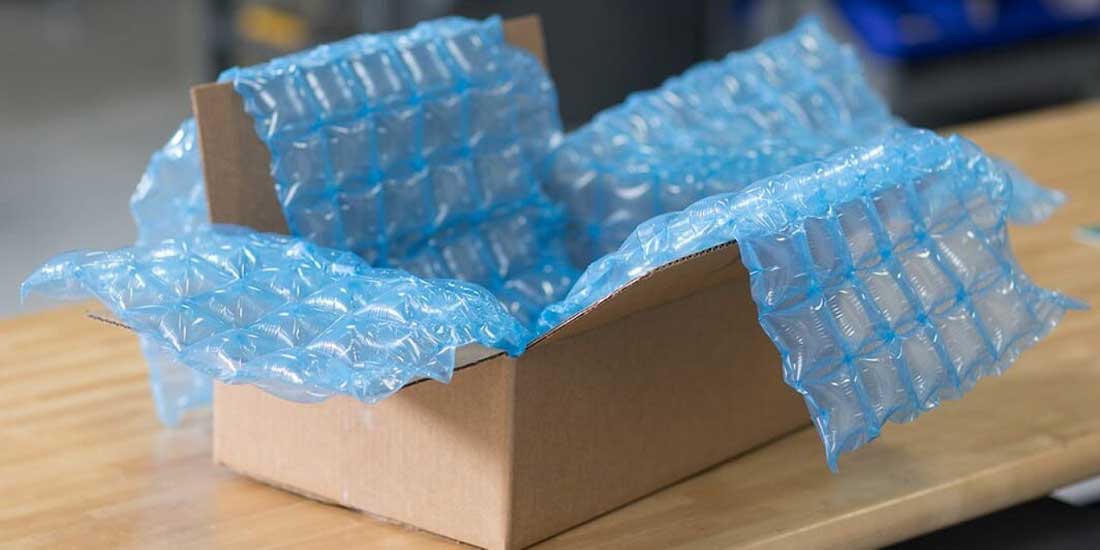
The ability to reduce material costs is another significant benefit that flexible packaging brings to the table. Because flexible packaging materials are lighter than traditional alternatives like glass or rigid plastics, transportation costs decrease significantly. The reduction in weight also means that fewer resources are needed to manufacture packaging, which lowers overall production costs. Additionally, flexible packaging’s ability to maximize product-to-package ratios means companies can reduce the number of packaging materials used, making it more cost-effective while maintaining product safety. These savings, which accrue across multiple stages of the supply chain, ultimately result in lower prices for consumers, making flexible packaging an essential tool for driving down the cost of goods.
Sustainability and Environmental Impact
As sustainability becomes a critical priority for consumers and manufacturers alike, flexible packaging presents a more eco-friendly alternative to traditional packaging methods. The materials used in flexible packaging, such as recyclable films and biodegradable options, are less resource-intensive compared to their rigid counterparts. Furthermore, the reduction in weight and volume of flexible packaging leads to fewer resources required for production and less energy consumed during transportation. These factors contribute to a lower overall carbon footprint, which is an essential consideration in today's eco-conscious market. Manufacturers are increasingly turning to flexible packaging to meet both environmental standards and consumer demand for more sustainable products, leading to positive impacts on corporate social responsibility efforts across the supply chain. Visit here to know more.
Flexible Packaging in the Future of Supply Chain Efficiency
The role of flexible packaging in supply chains will only continue to expand as technology evolves. Advances in materials science and packaging design will make it possible to create even more lightweight, durable, and sustainable packaging options. Innovations like smart packaging, which includes features such as temperature control and tracking capabilities, will further enhance the functionality of flexible packaging in logistics. With increasing pressures on companies to operate efficiently while maintaining environmental stewardship, flexible packaging provides an adaptable solution that meets the challenges of modern supply chains. As the demand for customization, speed, and sustainability increases, flexible packaging will remain a vital component of efficient and effective supply chain management, driving greater flexibility, cost savings, and sustainability in the years to come.