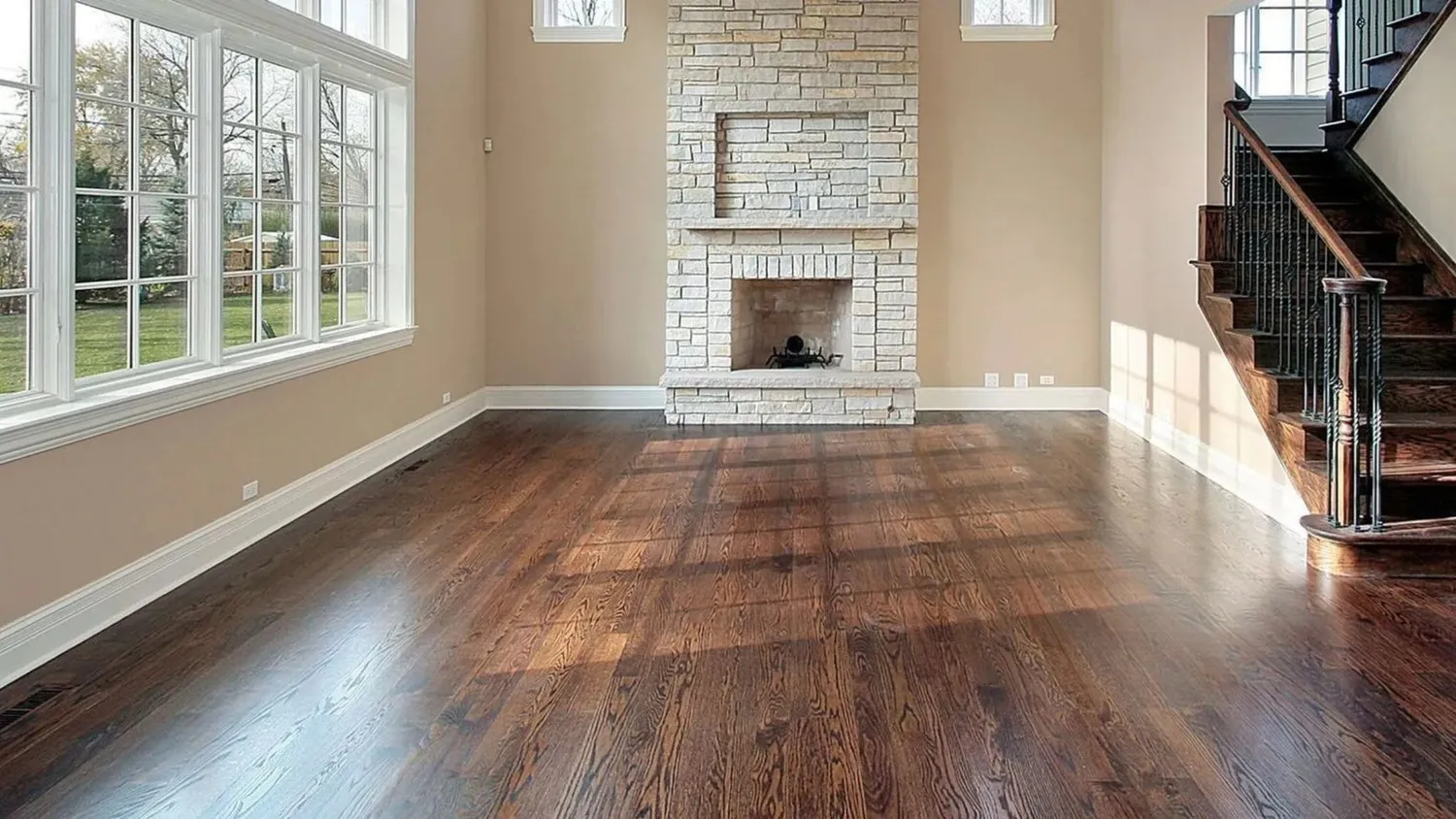
If you're shopping for laminate flooring, you've probably come across all kinds of options—different colors, styles, textures, and of course, thicknesses. The most common thicknesses are 8mm, 10mm, and 12mm. But what do those numbers actually mean for your floors? And does thicker always mean better?
Let’s break it down in a way that’s easy to understand and actually helpful. Whether you're upgrading your home or working with a pro, knowing the real difference between these options can help you get the best results for your space—and your budget.
Why Thickness Matters in Laminate Flooring
Laminate flooring isn’t just about looks. Thickness plays a huge role in how it feels underfoot, how it sounds when you walk on it, and how well it holds up over time.
Thicker laminate planks are generally more durable, more stable, and quieter to walk on. They're also better at hiding imperfections in your subfloor. Thinner planks, on the other hand, are more budget-friendly and easier to cut and install in tight spaces.
But don’t just grab the thickest option and call it a day. Let’s compare 8mm, 10mm, and 12mm laminate flooring in detail.
8mm Laminate Flooring: Lightweight and Budget-Friendly
8mm laminate is often the go-to choice for budget-conscious homeowners or those doing DIY installations. It’s light, easy to handle, and usually more affordable.
Pros:
- Lower cost per square foot
- Easier to cut and install, especially for DIYers
- Works well in low-traffic areas like guest bedrooms or offices
Cons:
- May feel hollow or “clicky” underfoot without a good underlayment
- Less effective at masking imperfections in uneven subfloors
- Slightly less impact-resistant than thicker options
If you're buying laminate flooring in San Marcos for a rental or a spare room that doesn't see much action, 8mm might get the job done without breaking the bank.
10mm Laminate Flooring: The Balanced Middle Ground
10mm laminate offers a sweet spot between price, durability, and comfort. It’s a solid choice for most rooms in the house and performs well in busy households.
Pros:
- More stable and quieter than 8mm
- Hides minor subfloor flaws better
- Better resistance to dents and drops
Cons:
- Slightly more expensive than 8mm
- Heavier to handle, which can slow down installation
If you want something that holds up better to everyday life but don’t need the top-tier thickness, 10mm is a solid middle-ground pick.
12mm Laminate Flooring: Premium Feel and Durability
At 12mm thick, laminate flooring starts to feel more like solid hardwood. It’s sturdy, substantial, and gives a premium vibe to any space.
Pros:
- More resistant to wear and tear
- Quieter and more comfortable underfoot
- Hides subfloor imperfections best
- Looks and feels closest to real wood
Cons:
- Highest price point among the three
- Harder to cut and install due to the thickness
- Might require adjustment of doors and thresholds
If you're after long-term durability and a more realistic wood feel, 12mm laminate is worth the investment—especially in high-traffic spaces like living rooms or hallways.
Some homeowners seeking laminate flooring in San Marcos prefer 12mm for its solid feel and better sound absorption, particularly in multi-level homes.
Sound and Underfoot Comfort
One thing to remember: sound can be a big deal. Thinner laminate tends to be noisier unless you pair it with a quality underlayment. The thicker the laminate, the more natural and quiet it feels underfoot.
With 12mm flooring, you're likely to notice a big difference in how “soft” or solid it feels when you walk on it. This can make a huge impact in places where people walk barefoot a lot, like bedrooms or family rooms.
Durability and Longevity
While all three thickness levels can handle everyday wear and tear, 12mm planks generally last longer. That’s especially true in homes with pets, kids, or heavy furniture.
Still, don’t count out 10mm or even 8mm. With a high-quality wear layer, even thinner laminate can hold up well for years—just be a bit more mindful about heavy furniture or sharp objects.
If you're sourcing laminate flooring in San Marcos for a short-term flip or seasonal home, 8mm or 10mm may be more than enough to meet your needs without overspending.
Installation Considerations
Thicker laminate is a bit tougher to work with. It’s heavier and harder to cut, so installation might take longer or require more effort—especially around corners or transitions.
Also, think about how thicker flooring might affect door clearances or baseboards. You may need to shave a little off the bottom of doors or use transition strips between rooms.
If you're hiring out the job, 12mm may mean higher labor costs simply because it takes more time. But if you're working with pros who offer bundled services, it may even out.
Which Thickness Is Right for You?
Let’s simplify it:
- Go with 8mm if you're on a tight budget, doing a DIY project, or flooring a low-use area.
- Choose 10mm if you want durability and comfort without spending top dollar.
- Pick 12mm if you’re going for luxury, quiet, and long-term strength.
The decision really comes down to where you’re installing it, how much foot traffic it’ll get, and how long you plan to live with it.
Final Thoughts
Choosing the right laminate flooring thickness doesn’t have to be confusing. Thicker options give you better sound control, comfort, and durability—but cost and installation difficulty go up too.
If you’re still torn between options, talk with a flooring expert or visit a local showroom offering laminate flooring in San Marcos to get a hands-on feel for each type. At the end of the day, the right choice will balance your lifestyle, budget, and style preferences—and leave your home looking better than ever.