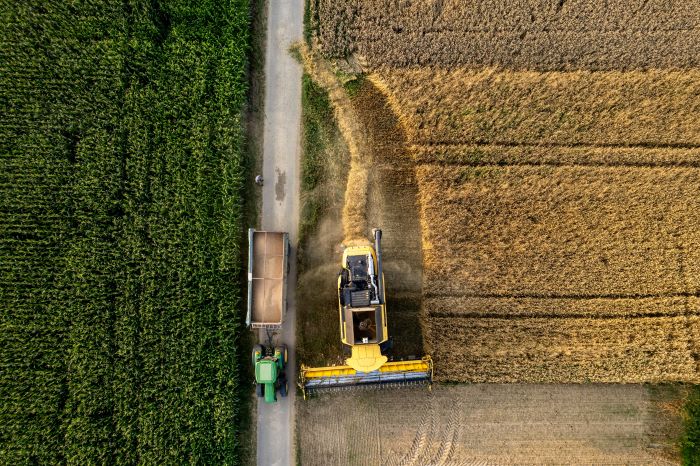
As a farmer, navigating the ever-changing agricultural landscape requires adapting to new technologies and finding sustainable ways to improve productivity. One such innovation that has seen significant growth in recent years is using plant growth regulators (PGRs). These substances, which help regulate the growth processes of plants, have become essential tools in modern farming practices. From boosting crop yields to improving fruit quality, PGRs are revolutionizing how farmers approach crop management. But with the growing market for these products, it’s essential to consider their benefits, challenges, and potential risks. In this blog, I’ll share my perspective on the growing market for PGRs and how they are shaping the future of agriculture.
Understanding Plant Growth Regulators (PGRs)
Plant growth regulators influence physiological processes, including growth, flowering, and fruiting. They can be synthetic or naturally occurring, and their primary function is to modify the plant's growth patterns to achieve specific outcomes. For example, PGRs can promote root development, control plant height, or increase flowering. Agriculture regulators optimize crop growth, improve yields, and sometimes even manage pest resistance.
PGRs are typically categorized into five major classes:
- Auxins – Help with root development and elongation.
- Cytokinins – Promote cell division and can delay aging in plants.
- Gibberellins – Influence seed germination, flowering, and fruit development.
- Ethylene – Regulates fruit ripening and senescence.
- Abscisic Acid – Involved in stress responses and drought tolerance.
As a farmer, understanding how each class of PGR works is key to determining when and how to use them effectively. The growing market for PGRs reflects their wide-ranging potential to improve crop productivity, especially when combined with other farming practices like irrigation management, soil fertility, and pest control.
The Role of PGRs in Enhancing Crop Yields
One of the primary reasons farmers are turning to plant growth regulators is their ability to increase crop yields. Whether you're growing vegetables, fruits, or flowers, PGRs can help optimize growth conditions and maximize production. Farmers relied heavily on fertilizers and pesticides to increase yields in the past, but PGRs offer a more targeted approach that can lead to better results with less input.
For example, gibberellins can stimulate the growth of fruits and vegetables, leading to larger and more consistent harvests. Similarly, auxins can be applied to promote root growth, allowing plants to absorb more nutrients and water, ultimately improving their overall health and productivity. By using PGRs in conjunction with other organic farming practices, farmers can boost crop yields without relying heavily on synthetic chemicals.
Key benefits of using PGRs for crop yields:
- Increased fruit and vegetable size
- Improved consistency in crop production
- Enhanced resistance to environmental stresses
The ability to control the timing of flowering, fruiting, and maturation through PGRs helps farmers achieve optimal harvest times, leading to higher market prices and more efficient crop rotation.
Integrating PGRs with Pest Control
In modern farming, managing pests is an ongoing challenge. While pesticides like Acedok 20 - Acetamiprid 20% SP insecticide control pests in vegetables, fruits, and flowers, plant growth regulators can also enhance pest resistance. By promoting stronger, healthier plants, PGRs can reduce the likelihood of pest infestations and make crops more resilient to damage.
Some PGRs, such as ethylene inhibitors, can delay the maturation of crops, helping them withstand pest attacks for a longer period. In addition, when combined with other pest management strategies, PGRs can offer a holistic approach to managing pests without relying solely on chemical insecticides. For example, by using PGRs to strengthen the physical structure of crops, farmers can reduce the need for harmful chemicals and prevent the development of pest resistance over time.
Moreover, PGRs can be used strategically to promote the growth of certain plant traits naturally resistant to pests. For example, by using cytokinin-based PGRs, farmers can encourage better cell structure and a higher resistance level to common diseases and pests, reducing the need for external pesticide applications.
Challenges in the Growing Market for PGRs
Despite the many benefits, the growing market for plant growth regulators has challenges. As with any new technology, farmers have a learning curve in understanding how to use these products effectively. Overuse or improper application can lead to unintended consequences, such as reduced crop yields or poor plant health. Therefore, it is essential to use PGRs in moderation and based on the specific needs of the crops.
One of the biggest concerns is the potential for over-reliance on PGRs, which could lead to long-term soil health issues or pest resistance. While these products can provide immediate benefits, farmers must balance their use with sustainable farming practices. Relying too heavily on PGRs could also make plants less adaptable to natural growth conditions, reducing their resilience in the long term.
As the demand for PGRs grows, there is also a risk of misuse or over-application, particularly by farmers who are new to the technology. To address these concerns, the agricultural industry must provide proper education and training on how to use PGRs responsibly. This includes understanding the correct dosage, timing, and application methods for each crop and growing condition.
Sustainability and the Future of PGRs in Agriculture
Looking to the future, the role of plant growth regulators in agriculture is likely to continue growing as the demand for sustainable farming practices increases. PGRs are essential for improving crop yields, reducing the need for chemical pesticides, and enhancing crop resilience in the face of climate change. However, their use must be integrated with other sustainable farming practices to ensure long-term soil health and environmental protection.
Farmers are increasingly turning to integrated pest management (IPM) systems, which combine biological controls, crop rotation, and organic practices with PGRs to create a balanced and sustainable farming system. By reducing the overuse of chemical fertilizers and pesticides, farmers can preserve soil fertility and promote biodiversity while still achieving high yields.
Sustainability benefits of PGRs:
- Reduced chemical pesticide use
- Improved soil health through balanced input use
- Enhanced crop resilience to environmental stressors
As organic farming continues to grow, PGRs will play a critical role in helping farmers meet the rising demand for organic produce without compromising productivity. The key will be finding the right balance between technology and nature, using PGRs as one part of a larger, more sustainable farming system.
"Technology in agriculture, when used responsibly, can yield results that are both sustainable and productive."
Navigating the Market for PGRs: A Farmer’s Strategy
For farmers looking to incorporate plant growth regulators into their farming practices, it’s essential to approach the market with careful consideration. Not all PGRs are created equal, and understanding which products are best suited for specific crops and growing conditions is crucial. Additionally, farmers should stay informed about the latest research and best practices in PGR application to ensure they are using the most effective and sustainable methods.
It’s also important for farmers to build relationships with trusted suppliers who can provide expert advice on choosing the right PGRs for their specific needs. By staying informed and continually adapting their practices, farmers can harness the full potential of PGRs to improve their productivity while maintaining the health of their farm ecosystems.
In the ever-evolving agricultural landscape, the growing market for plant growth regulators offers significant opportunities for farmers who are willing to innovate and embrace new technologies. While challenges exist, the potential benefits of PGRs—improved yields, enhanced pest resistance, and sustainable farming practices—make them an essential tool for the future of agriculture.
As the farming industry moves forward, the role of plant growth regulators will continue to grow, helping farmers meet the challenges of a changing world while promoting sustainable and productive farming practices. By integrating PGRs with other innovative solutions, farmers can build resilient farms that thrive in a sustainable future.