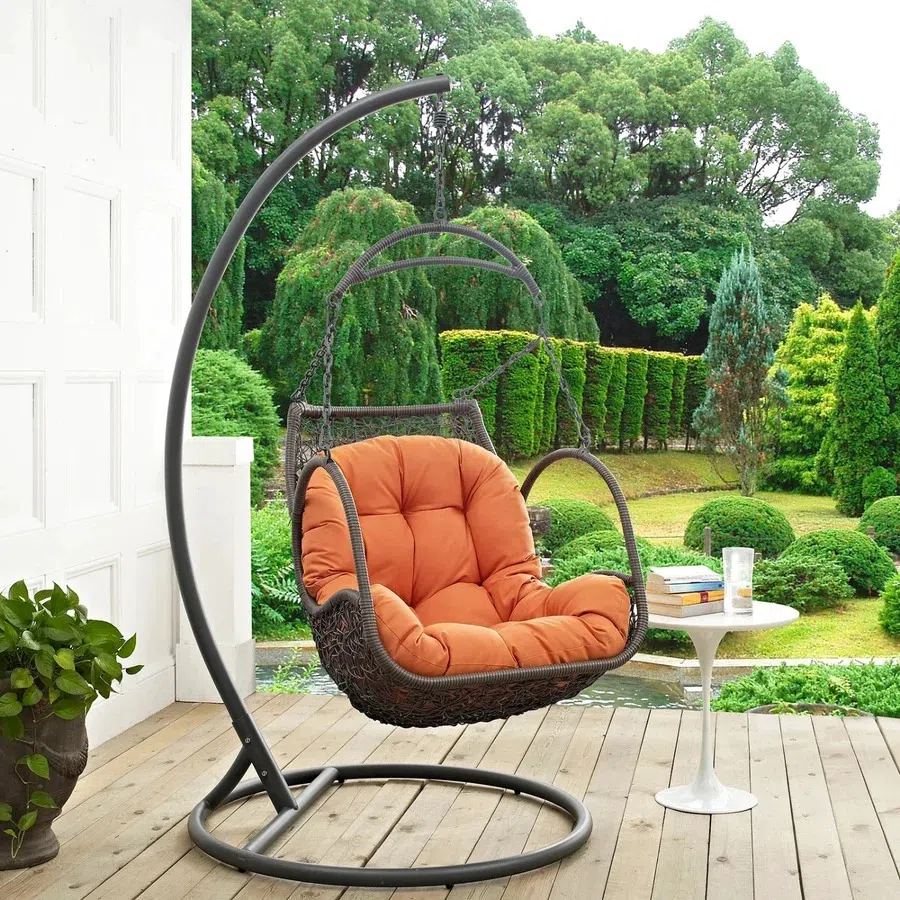
Hanging chairs can add comfort and a relaxing seating option to balconies, patios, gardens, bedrooms, and other spaces. However, regular use and exposure to dust, sunlight, moisture, and changing weather conditions can gradually affect their appearance and durability. Proper maintenance helps keep the chair clean, comfortable, and ready for everyday use. Whether your hanging chair has a metal frame, woven body, fabric cushion, or a combination of materials, a few simple care practices can make a noticeable difference.
Clean the Chair Regularly
Dust and dirt can accumulate on hanging chairs, especially when they are placed outdoors. Use a soft, dry cloth or a feather duster to remove loose dust from the frame, seat, ropes, and decorative sections. For deeper cleaning, use a soft cloth dampened with mild soapy water. Avoid harsh cleaning chemicals because they may damage finishes, fabrics, or woven surfaces.
Cleaning once every one or two weeks can help prevent dirt from becoming difficult to remove. Outdoor chairs may need more frequent cleaning during dusty or rainy seasons.
Pay Attention to the Cushions and Fabric
Cushions are often the first part of hanging chairs to show signs of regular use. Check the care label before washing or cleaning removable covers. If the covers are washable, follow the manufacturer's recommended washing instructions.
For non-removable cushions, gently vacuum or brush the surface to remove dust. Small stains can usually be treated with mild detergent and water, but avoid soaking the cushion unless it is specifically designed for extensive water exposure. Allow cushions to dry completely before placing them back on the chair.
Protect Against Direct Sunlight
Continuous exposure to strong sunlight can cause fabric colors to fade and may gradually weaken certain materials. If your hanging chair is positioned near a window, balcony, or outdoor area receiving direct sunlight for several hours, consider moving it to a shaded location when possible.
A protective cover can also help reduce exposure when the chair is not being used for an extended period. This is particularly useful during harsh summer conditions.
Keep the Chair Dry
Moisture can affect metal components, fabric, cushions, and natural materials. If the chair gets wet after rain or cleaning, allow it to dry completely before covering or storing it. Do not leave wet cushions inside a closed cover because trapped moisture can encourage unpleasant odours and, in some materials, mould growth.
For outdoor hanging chairs, choosing a covered area can reduce the amount of rain and humidity the chair encounters.
Inspect the Hanging Hardware
Cleaning alone is not enough to maintain a hanging chair. The suspension system should also be checked regularly. Examine the chain, hook, rope, carabiner, stand, ceiling attachment, and other supporting components for visible wear, rust, looseness, or damage.
If you notice fraying, cracks, significant rust, or a loose connection, stop using the chair until the issue has been properly addressed. Never ignore a damaged suspension component simply because the chair still appears stable.
Check the Frame and Woven Sections
Depending on the design, hanging chairs may include metal frames, wicker, rattan-style materials, ropes, or woven sections. Look for loose strands, cracks, broken sections, or unusual movement.
Avoid pulling or cutting loose woven strands without understanding how they are constructed. A small problem can become more noticeable if the material is handled incorrectly. Gentle cleaning and periodic inspection can help identify issues at an early stage.
Avoid Exceeding the Weight Capacity
Every hanging chair has a recommended weight capacity. Avoid placing excessive weight on the seat or using the chair for purposes it was not designed for. Overloading can place unnecessary stress on the suspension system and frame.
The chair should also be used according to the manufacturer's instructions. Proper use is an important part of maintaining both appearance and structural performance.
Store It Properly During Harsh Weather
If your hanging chair is used outdoors, consider storing removable cushions during heavy rain, storms, or prolonged periods when the chair will not be used. If the entire chair can be moved indoors or into a covered space, doing so can reduce exposure to weather.
Use a breathable protective cover where appropriate. Make sure the chair is clean and dry before storage to help prevent moisture-related problems.
Use the Right Cleaning Products
Different materials require different cleaning methods. Mild soap and water are generally preferable to strong bleach, abrasive powders, or aggressive solvents. Before applying any cleaning product to a visible area, check the manufacturer's instructions and, when appropriate, test it on a small inconspicuous section.
Using the right cleaning method helps preserve the original finish without unnecessarily damaging the surface.
Maintain Your Hanging Chair for Long-Term Use
A hanging chair can remain attractive and comfortable for years when basic maintenance becomes part of your regular home-care routine. Dust it regularly, clean stains promptly, protect it from excessive sunlight and moisture, inspect the suspension hardware, and follow the manufacturer's care and weight-limit instructions.
These simple habits can help prevent avoidable wear and keep your hanging chairs looking fresh. More importantly, regular inspections allow you to identify potential problems before they become bigger maintenance concerns. With consistent care, your hanging chair can continue to provide a comfortable seating space while maintaining its appearance and usability.
FAQs
1. How often should hanging chairs be cleaned?
Light dusting can be done weekly, while deeper cleaning can be carried out every few weeks or whenever the chair becomes visibly dirty. Outdoor hanging chairs may require more frequent cleaning.
2. Can I leave a hanging chair outside in the rain?
It depends on the chair's materials and manufacturer's instructions. Even weather-resistant chairs benefit from protection against prolonged rain. Remove cushions and allow all components to dry completely after getting wet.
3. How can I prevent a hanging chair from fading?
Limit prolonged exposure to direct sunlight and use a suitable protective cover when the chair is not in use. Following the recommended care instructions for the fabric can also help preserve its appearance.
4. How do I maintain the ropes and suspension system of a hanging chair?
Regularly inspect ropes, chains, hooks, carabiners, and other suspension components for fraying, rust, looseness, or visible damage. Replace damaged components according to the manufacturer's recommendations before using the chair again.
5. Can I use regular household cleaners on a hanging chair?
It is better to use mild cleaning solutions unless the manufacturer recommends another product. Strong chemicals and abrasive cleaners may damage fabrics, coatings, woven materials, or finishes.