Spices and dry ingredients are everyday kitchen essentials, but storing them properly can make a significant difference to organisation, accessibility, and freshness. Open packets can spill, become difficult to identify, and create clutter inside cabinets. A well-planned storage system helps solve these everyday problems.
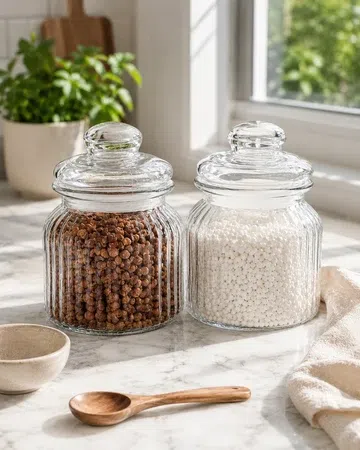
Glass jars are a practical option for organising ingredients such as spices, pulses, grains, sugar, tea, coffee, nuts, seeds, and dry fruits. Their transparent design, reusable construction, and suitability for organised storage make them particularly convenient for kitchens where ingredients need to remain visible and easily accessible.
Easy to Identify Ingredients at a Glance
One of the biggest advantages of transparent storage is visibility. When several spices and ingredients are stored together, identifying what you need without opening every container saves time.
With glass jars, you can quickly see the contents and estimate how much remains. This is especially useful for ingredients that may look similar when stored in packets or opaque containers.
Visibility can also simplify grocery planning. If rice, pulses, spices, nuts, or other ingredients are running low, you can notice before starting your next shopping list.
Help Keep Kitchen Shelves Organised
Packets come in different sizes and shapes, which can make kitchen cabinets look cluttered. Once opened, some packets may also become difficult to stack or arrange neatly.
Transferring suitable ingredients into containers creates a more structured storage system. Containers with complementary shapes and sizes can be arranged together, making better use of shelf space.
Using glass jars in different capacities also allows you to match the container to the quantity of each ingredient. Frequently used spices may need smaller jars, while ingredients such as pulses, sugar, or dry fruits may require larger options.
Useful for Organising Everyday Spices
Indian kitchens can contain a wide variety of whole and powdered spices. Turmeric, chilli powder, cumin, coriander, pepper, cardamom, cloves, and other seasonings are frequently used during cooking, so easy access matters.
Instead of searching through multiple packets, ingredients can be arranged by category or frequency of use. Frequently used seasonings can remain within easy reach, while less commonly used items can be stored separately.
Glass jars can also be labelled with ingredient names and refill dates. Labels are particularly helpful when storing similar-looking spices or when multiple people use the kitchen.
Suitable for a Wide Range of Dry Ingredients
Their usefulness is not limited to spices. Many dry kitchen essentials benefit from dedicated storage.
Depending on the jar's capacity and closure, you can organise rice, lentils, beans, cereals, tea leaves, coffee, sugar, seeds, nuts, dry fruits, and snacks. Keeping different ingredients separate prevents the confusion that can occur when multiple opened packets are kept together.
Using glass jars for different ingredient categories can also make it easier to create dedicated sections for cooking staples, breakfast foods, baking ingredients, snacks, or beverages.
Reduce Dependence on Open Packets
An opened packet can easily tip over inside a cabinet. Small ingredients such as seeds, lentils, or powdered spices can spill onto shelves and create unnecessary cleaning work.
Containers offer a more stable storage format. Once an ingredient has been transferred, the original packet does not need to remain loosely folded or secured with clips.
This can be particularly convenient for ingredients purchased in flexible packaging that cannot stand upright after opening.
Glass Does Not Easily Retain Food Odours
Some ingredients, especially spices, tea, coffee, and strongly aromatic foods, have noticeable smells. The non-porous nature of glass makes it useful for storing ingredients with distinctive aromas because the surface does not easily absorb food odours when properly cleaned.
This makes glass jars versatile when you want to reuse them for different dry ingredients. Thorough washing and complete drying between uses are still important, particularly when switching from a strongly aromatic ingredient to something milder.
The lid should also be cleaned carefully because seals and other lid components may require separate attention.
Easy to Clean and Reuse
Reusable storage works best when containers are straightforward to maintain. Glass surfaces are easy to inspect, making it simple to notice residue before refilling.
Before adding a fresh batch of dry ingredients, wash the container according to its care instructions and allow it to dry completely. Moisture should not remain inside when storing dry food.
Glass jars can then be reused for different ingredients as storage requirements change. A jar previously used for pulses, for example, can be repurposed for nuts or another suitable dry ingredient after proper cleaning.
Make Refilling More Systematic
Mixing an older batch of an ingredient with a newly purchased one without checking it first can make stock rotation difficult. A more organised approach is to use the remaining older ingredient before completely refilling the container whenever practical.
Before refilling, inspect the jar and ingredient, clean the container when necessary, and make sure it is fully dry.
A transparent container makes this process easier because the remaining quantity is visible. You can quickly determine whether you need a refill instead of discovering an empty packet while cooking.
Choose the Right Jar for the Ingredient
Not every ingredient requires the same amount of storage space. Small spice quantities need compact containers, while frequently purchased staples may need greater capacity.
Consider the opening as well. A wider mouth can make scooping and cleaning easier, while smaller designs may be convenient for spices used in limited quantities.
The lid is equally important. Choose glass jars with closures suited to the ingredients you plan to store and always check the manufacturer's usage and care instructions.
A Practical Approach to Dry Food Storage
Good kitchen storage should make ingredients easier to find, access, monitor, and refill. Transparent containers support all four goals while helping replace irregular opened packets with a more structured arrangement.
For spices, pulses, grains, nuts, seeds, dry fruits, tea, coffee, and similar ingredients, glass jars offer a simple way to improve everyday organisation. By choosing appropriate sizes, keeping containers clean and dry, and arranging ingredients logically, you can create a storage system that is both practical and easy to maintain.