I want to be specific about what changed and what didn't, because product photography improvement is one of those interventions that gets credited with dramatic results in case studies that often have confounding factors the case study doesn't mention. In my case, the photography improved, nothing else changed significantly in the same period, and the conversion rate on the affected product pages improved by approximately 30% over the following two months. This is a real result from a real change, and the mechanism is worth understanding specifically rather than just accepting "better photos = more sales" as an unexplained correlation.
My online store sells handmade ceramic pieces — bowls, mugs, plates, serving dishes. The original product photography was done on my phone against a white backdrop, which is the standard beginner approach and produces images that are technically adequate and fundamentally unpersuasive. The pieces looked like what they were: objects photographed against a white background to document their existence rather than to communicate their qualities or evoke their use.
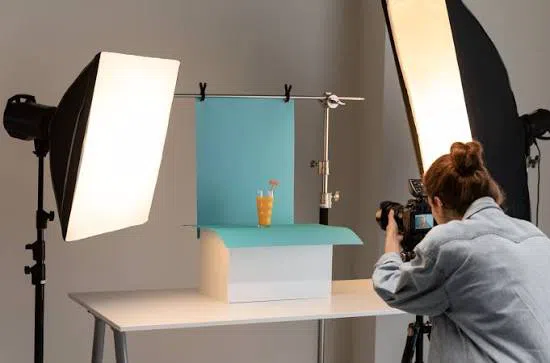
The specific qualities of handmade ceramics that make them worth their price compared to mass-produced alternatives — the texture variation, the subtle glaze transitions, the weight and presence that the object has in hand — are almost completely absent from flat, white-background product photography. A customer evaluating whether to pay a premium for a handmade piece based on that photography is evaluating something that looks essentially the same as a mass-produced piece from a distance, which correctly produces hesitation to pay more.
Better photography addressed this by: shooting in natural light that reveals surface texture rather than washing it out. Including scale references — lifestyle shots with the piece in context, being used, alongside other objects that communicate its size. Close-up detail shots that show glaze texture and surface quality at a level that communicates what the object actually feels like. Before any of this could work for customers loading the pages, the improved photos — higher resolution, more detailed — needed to load quickly enough that customers actually saw them. Upgrading to web hosting with SSD storage and image delivery optimised for e-commerce was the technical prerequisite that the photography improvement depended on.

The product page structure was also adjusted alongside the photography — the sequence of images now tells a story about the object rather than presenting three interchangeable views of the same angle. This required proper web development work on the product page template rather than just uploading new images to existing pages that weren't designed to display them optimally.

The lesson I'd pass on is that product photography improvement and website technical quality are complementary rather than independent investments. Better photos that load slowly or display poorly produce less improvement than the photos themselves would generate in a technically sound environment. Conversely, fast-loading infrastructure displaying uninspiring photography doesn't convert as well as it should. Getting both right simultaneously, through quality photography and quality web infrastructure, is what produces the full improvement rather than the partial version each dimension produces independently.