The problem with collecting courses
Many people begin a career goal with energy: they save tutorials, bookmark course pages, download notes, and make a long list of things to learn. A few weeks later, the list has grown but the evidence of progress is still small. The problem is not always motivation. Often the learning plan has no clear finish line.
A stronger method is to choose one useful skill, practice it in a small project, and create something another person can review. A finished spreadsheet, a clear presentation, a short case study, or a simple analysis tells a more concrete story than a folder full of unfinished lessons. Learning becomes easier to continue when each week produces visible progress.
Start with a specific outcome
Instead of writing “learn digital marketing,” write an outcome such as “prepare a one-page campaign plan for a local service business.” Instead of “learn data analysis,” choose “clean a small public dataset and explain three patterns in a chart.” A specific outcome makes it easier to select study material and judge whether practice is working.
Choose a result that can be completed with your current time and tools. If the project needs software you cannot access or data you do not have, reduce the scope. A small completed project builds confidence and gives you a base for the next one.
A useful learning plan connects study topics to a visible result. A practical career-learning map can help you think about the difference between exploring a field and building a skill you can demonstrate.
Use a three-part weekly rhythm
Learn: Spend the first part of the week understanding one concept. Use a lesson, book chapter, or documentation page. Take notes in your own words rather than copying each definition.
Practice: In the middle of the week, use the idea without following every step from a demonstration. This is where you discover what you actually understand. Keep the exercise small enough that you can restart it when something goes wrong.
Explain: At the end of the week, write a short explanation of what you did, why you chose the approach, and what you would change next time. Explaining a process exposes missing understanding and turns a private exercise into a useful work sample.
The rhythm matters more than the exact calendar. A learner with thirty minutes a day can use the same structure as a learner with a free Saturday, provided the scope matches the available time.
Make the project realistic without making it huge
A beginner project does not need to imitate an entire company. It should model one real decision. A marketing learner could compare two headlines for clarity and audience fit. A communication learner could turn a complicated policy into a one-page plain-language guide. A data learner could take a messy table, document the cleaning steps, and show a chart with a clear caption.
Keep a note of assumptions. If the data is fictional, label it as sample data. If you used a public dataset, record its source. If you used a template, explain what you changed. These details show professional judgement and help someone reviewing the work understand its limits.
Choose learning material with care

Before starting a course, inspect its expected level, outcomes, practical activities, and time commitment. Look for exercises where you must make a decision, not only repeat a demonstration. A collection of project-based learning ideas can be a starting point for identifying subject areas, but your final project should reflect the skills you actually want to practice.
Do not select a course only because its title sounds advanced. A well-structured introduction that helps you finish one useful task may be more valuable than a large course that you never complete. If a resource requires special software or prior knowledge, check that requirement before committing.
Keep a visible record of progress
Use a simple tracker with four fields: the skill, the task, the evidence created, and the next improvement. Avoid turning the tracker into another complicated productivity system. Its purpose is to help you answer three questions quickly: What did I practice? What can I show? What will I change next?
At the end of each month, choose one finished piece to improve. Rewrite unclear explanations, make charts readable, verify calculations, or remove steps that do not contribute to the result. Revising existing work is a powerful form of learning because it shows you how your judgement has changed.
Ask for feedback that you can use
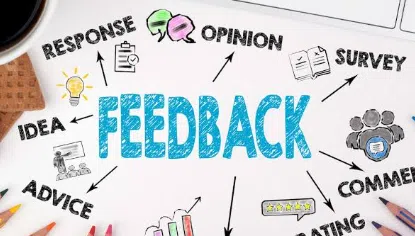
General praise is pleasant, but specific feedback is easier to act on. Ask a classmate, teacher, colleague, or mentor to identify one unclear part, one strong decision, and one next improvement. Give them context about the intended audience and the task. Without that context, a reviewer may judge a beginner practice project as if it were a finished commercial product.
When feedback is received, separate factual errors from preferences. Correct inaccurate information first. Then decide which suggestions make the project easier to understand. You do not have to apply every suggestion, but you should be able to explain why you accepted or rejected it.
Build evidence that is easy to review
A completed project becomes much more useful when another person can understand it without a long explanation from the learner. Give the work a short title, state the question it addresses, and describe the intended audience. Include only the background needed to understand the decision. If the project uses sample data or fictional details, label them clearly so a reader does not mistake them for results from a real organisation.
The process matters as much as the final file. Keep a brief note of the decisions you made, the source of the information, and the limitation you noticed. A small spreadsheet, for example, should explain what each column represents and how missing values were handled. A campaign plan should identify the audience, purpose, channel, and way success would be assessed. A presentation should have a clear message rather than a collection of slides copied from lessons.
A reviewer does not need a perfect project from a beginner. They need enough context to judge the thinking behind it. Explain one challenge honestly and show what you did about it. If you could not complete a feature, describe the boundary rather than implying it is finished. That makes the work more credible and gives a mentor something specific to discuss.
Keep versions when the project changes substantially. The first draft can show the starting point; the final version can show how feedback was used. This is especially helpful when the improvements are not obvious from the finished file alone.
Evaluate the sprint fairly
At the end of the sprint, compare the finished work with the outcome you set at the start. Do not judge the project only by how polished it looks. Ask whether the intended audience can understand it, whether the method is explained, and whether the evidence supports the conclusion. A small project can be strong even when it is visually simple, provided its decisions are clear and its limitations are honest.
It is also useful to separate skill gaps from project-design problems. If you could not complete the task because the scope was too wide, reduce the scope next time. If you lacked a tool, identify a realistic alternative. If the result is complete but difficult to explain, practice the explanation rather than immediately starting another course. Each obstacle should inform the next plan.
A simple review can end with three lines: “I can now…”, “I still need to practice…”, and “My next test will be…”. This creates continuity between projects and prevents every new topic from feeling like a fresh beginning. Over several cycles, the learner has a record of progress that is more concrete than a list of saved lessons.
Turn one completed project into a next step
Once a project is finished, ask what the next project should add. A spreadsheet can become a short dashboard. A campaign plan can become a measurement plan. A presentation can become a recorded explanation. Each project should build on what came before without repeating it exactly.
A career-focused course guide can help you compare subject options, but keep your own goals at the centre of the decision. Choose learning that addresses a real gap rather than collecting certificates simply to fill a profile.
Closing thought
A sustainable learning plan is not a race to finish the largest number of courses. It is a system for turning study time into demonstrated ability. Pick one outcome, practice it in a manageable project, explain the decisions, and improve the result after feedback.
That pattern creates more than knowledge. It develops the habit of finishing work, checking assumptions, communicating clearly, and learning from mistakes. Those habits travel well across roles and industries, which is why a small, completed project can be the beginning of a much larger career change.