The health eating content landscape has a specific problem: most of it is written from the perspective of someone who has already restructured their entire relationship with food around health goals, and the advice implicitly assumes a similar level of commitment and restructuring from the reader. This produces guidance that is technically correct and practically inaccessible for most people who are asking a simpler question — how do I eat somewhat better without my food life becoming a second job?
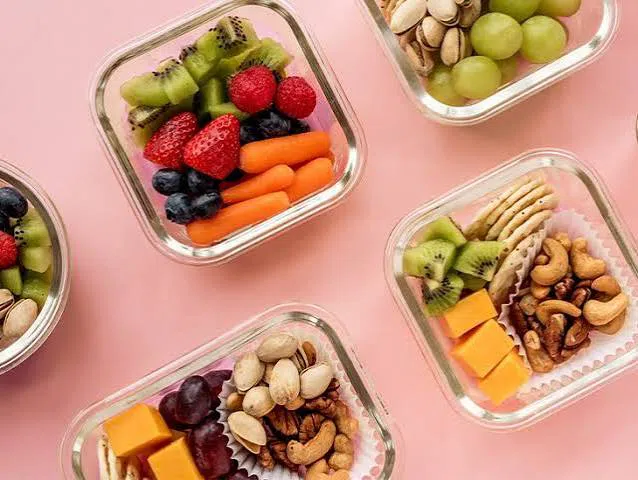
The question is more honest than it usually gets credit for, and it deserves an honest answer rather than either dismissal as insufficient commitment or unrealistic advice that ignores the actual constraints of a busy life where food is one priority among many rather than the central organising principle.
The specific changes that produce meaningful health benefits without meaningful life disruption are fewer and more specific than the health eating content ecosystem implies. They don't require meal prepping every Sunday, eliminating entire food categories, counting anything, or developing a complicated relationship with a tracking app.
The single change that produces the most return for most people with a typical Indian urban diet is increasing vegetable consumption at main meals — not as a separate health initiative but as a practical adjustment to the proportion of each plate that different food types occupy. This doesn't require special shopping, special cooking techniques, or significant additional time. It requires a habitual shift in how a meal is assembled that most people can make without fundamentally changing what they eat or how long they spend preparing it.
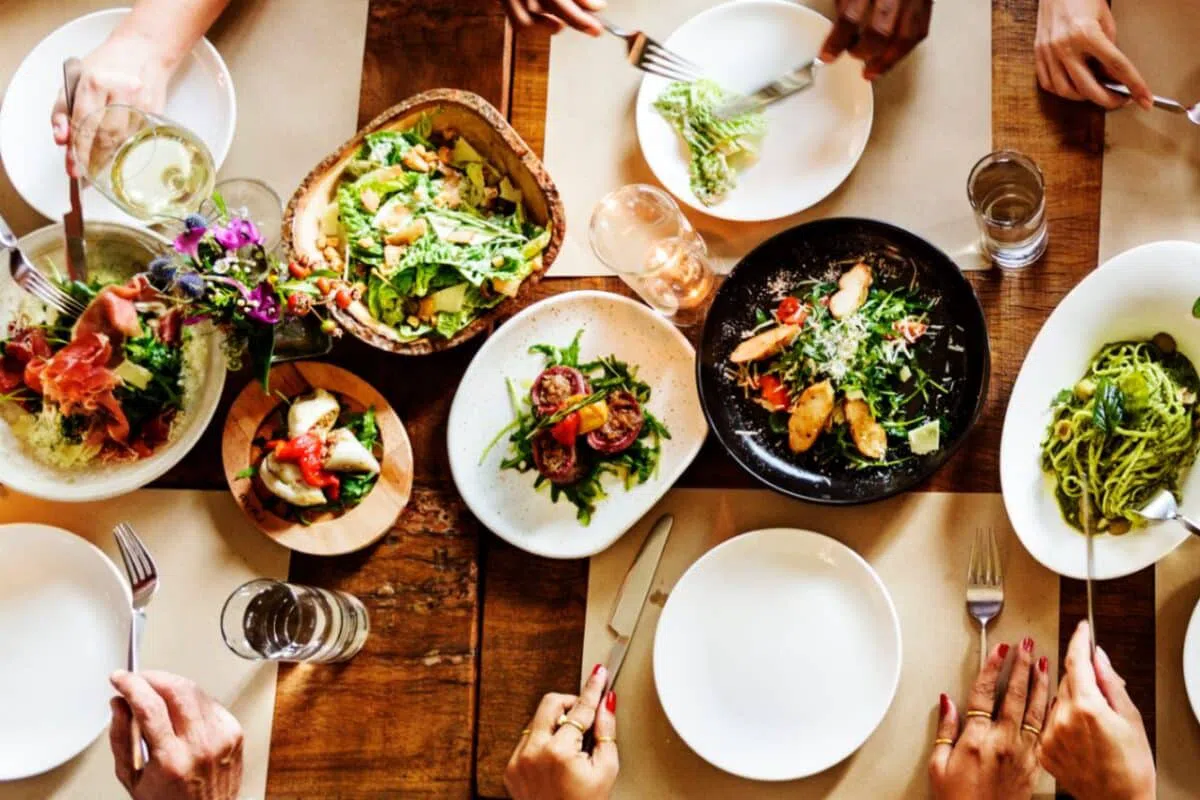
Reading practical food content that engages with healthy eating within real life constraints — including time constraints, budget constraints, cooking skill constraints, and the very human constraint of wanting food that tastes good rather than just being nutritionally optimised — produces more usable guidance than aspirational health eating content that describes a daily food life that requires more time, money, and motivation than most people have or want to allocate.
The second highest-return change for most people is the drinks question. Liquid calorie and sugar consumption is consistently undercounted in people's mental model of what they eat, because drinks feel less substantial than food regardless of their actual caloric content. The sugar in regular soft drinks, sweetened teas, and commercial fruit juices is nutritionally significant and often substitutable with alternatives that satisfy the same functional desire — hydration, something to drink with meals, a sweet taste — without the same consequences. This is a genuinely easy change compared to most dietary modifications, in that it requires buying different things rather than eating differently or cooking differently.
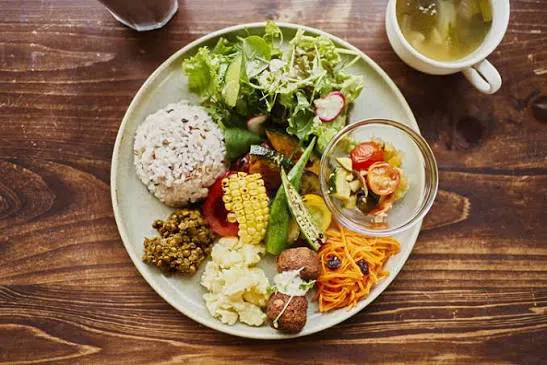
Health and wellness guidance that addresses these practical trade-offs honestly — what changes produce meaningful impact, what changes require significant life restructuring for modest marginal benefit — helps navigate the health eating space more effectively than either aspirational health content or cynical dismissal of dietary modification as too complicated to be worth attempting.
The overall lifestyle framing worth adopting is incremental improvement rather than transformation. The goal is not to eat perfectly — a standard that doesn't survive contact with real life and produces guilt when it fails — but to eat somewhat better than you currently do, consistently, in ways that fit your actual daily life rather than an idealised version of it.