Modern agriculture increasingly focuses on improving soil health, supporting crop growth and maintaining long-term productivity. Probiotics for plants and agriculture are gaining attention as beneficial microorganisms that can support plant development by improving nutrient availability, encouraging healthy root systems and contributing to a balanced soil ecosystem. Understanding how these microorganisms work can help farmers, growers and agricultural professionals make informed decisions about sustainable crop management.
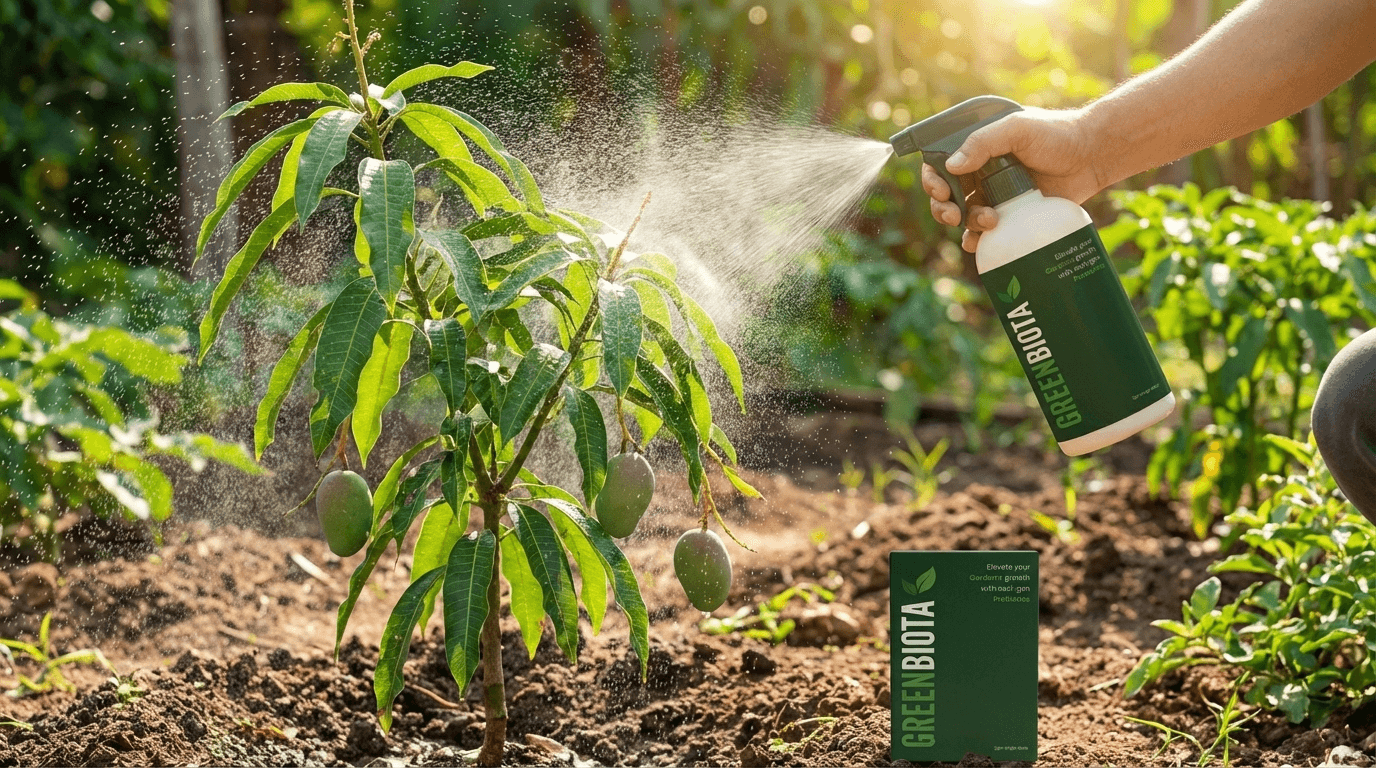
What Are Plant Probiotics?
Plant probiotics are beneficial microorganisms, including certain bacteria and fungi, that interact positively with plants and their surrounding soil environment. They may live around plant roots, within plant tissues or in the broader soil ecosystem, depending on the species and strain.
Unlike conventional fertilizers that supply nutrients directly, many beneficial microbes help plants access nutrients already present in the soil. Others produce compounds that influence root development or help plants respond to environmental stress.
Plant probiotics are often discussed alongside biofertilizers, microbial inoculants and biostimulants. Although these categories can overlap, their functions depend on the microorganisms, formulation and intended application. Their effectiveness also varies according to crop type, soil conditions and agricultural practices.
How Do Plant Probiotics Work?
Plant roots release natural compounds called root exudates, which attract and support microorganisms in the surrounding soil. This root-associated region, known as the rhizosphere, is an important environment for beneficial plant–microbe interactions.
Certain microorganisms support plant growth through several mechanisms:
Nutrient mobilization: Some microbes help make nutrients such as phosphorus more available for plant uptake.
Nitrogen fixation: Specific bacteria convert atmospheric nitrogen into forms that plants can use, often through specialized plant–microbe relationships.
Root development: Certain microorganisms produce plant-signalling compounds that influence root growth and branching.
Soil biological activity: Beneficial microbes contribute to organic matter decomposition and nutrient cycling.
Stress responses: Selected strains can help plants cope with drought, salinity and other environmental challenges under suitable conditions.
These functions make microbial products an important area of research in sustainable agriculture. However, not every microorganism performs every function, and results depend on the specific strain and growing environment.
Key Benefits of Plant Probiotics in Agriculture
1. Support Better Soil Health
Healthy soil contains a diverse community of bacteria, fungi and other organisms that contribute to nutrient cycling and organic matter decomposition. Suitable microbial inoculants can complement these natural processes and support biological activity in agricultural soils.
Combining microbial products with organic matter management, crop rotation and appropriate irrigation can contribute to a more balanced soil ecosystem.
2. Improve Nutrient Availability
Some beneficial microorganisms help mobilize nutrients that are otherwise difficult for plants to access. Phosphate-solubilizing bacteria, for example, can increase the availability of certain forms of phosphorus under appropriate conditions.
Other microorganisms contribute to nitrogen fixation or the transformation of nutrients within the soil. These functions can support integrated nutrient management, although microbial products should not automatically be considered complete replacements for fertilizers.
3. Encourage Healthy Root Development
Roots are responsible for absorbing water and nutrients and anchoring plants in the soil. Certain plant-associated microorganisms produce compounds that influence root architecture, including root branching and root hair development.
A well-developed root system can improve a plant's ability to explore the soil and access available resources. The actual response depends on crop genetics, microbial compatibility and environmental conditions.
4. Help Plants Respond to Environmental Stress
Heat, drought and salinity can interfere with normal plant growth. Some plant growth-promoting microorganisms have been studied for their ability to influence water-use efficiency, nutrient uptake and plant stress-response mechanisms.
These benefits are strain-specific and should be evaluated using evidence relevant to the crop and growing conditions.
5. Complement Sustainable Farming Practices
Integrating beneficial microorganisms into a broader crop-management strategy may help farmers improve nutrient-use efficiency and support soil biological processes. When combined with appropriate fertilizer management, organic amendments and responsible pest management, microbial solutions can contribute to more sustainable agricultural systems.
Types of Plant Probiotics Used in Agriculture
Different microorganisms perform different functions. The most suitable type depends on the crop, soil conditions and intended agricultural outcome.
Plant Growth-Promoting Rhizobacteria (PGPR)
These bacteria colonize the root zone and can support plant growth through nutrient mobilization, plant-signalling compounds and other beneficial interactions. Certain strains of Bacillus and Pseudomonas have been studied for their agricultural applications.
Nitrogen-Fixing Bacteria
Microorganisms such as Rhizobium form specialized relationships with legumes, while selected Azospirillum and Azotobacter strains are used or studied in other crop systems. Their contributions depend on the organism, host plant and environmental conditions.
Phosphate-Solubilizing Microorganisms
Certain bacteria and fungi help convert less-available forms of phosphorus into forms that plants can absorb more readily. Their performance depends on soil chemistry, microbial survival and other growing conditions.
Beneficial Fungi and Mycorrhizae
Mycorrhizal fungi form associations with plant roots and can extend the soil area explored for water and nutrients, particularly phosphorus. These relationships can be valuable in suitable cropping systems, although benefits are not identical across all plants and soils.
Microbial Consortia
A microbial consortium combines two or more selected microorganisms in one formulation. The objective may be to provide complementary functions, such as nutrient mobilization and root-zone support. Compatibility, formulation stability and quality control are important when evaluating these products.
Common Uses of Plant Probiotics
Plant probiotics and related microbial formulations can be incorporated into different stages of crop production, depending on the product label and intended use.
Seed treatment: Selected formulations are applied to seeds to establish beneficial microorganisms during germination and early growth.
Nursery applications: Appropriate microbial products may be used to support seedlings and root-zone development.
Soil application: Some products introduce beneficial microbes into the soil surrounding plant roots.
Root treatment: Certain formulations are suitable for treating roots before transplanting.
Integrated crop nutrition: Compatible microbial products can complement organic amendments and conventional nutrient-management programmes.
Farmers should follow the manufacturer's recommended dosage, application method and storage instructions. Compatibility with fertilizers, fungicides and pesticides should be confirmed before mixing products.
How to Choose the Right Plant Probiotic Product
Selecting a suitable product requires more than comparing prices or marketing claims. Consider these essential factors:
Microbial identity: Check the declared species and strain wherever provided.
Product quality: Look for information about viable microbial counts, quality testing and expiry dates.
Crop suitability: Choose a formulation supported by evidence or recommendations relevant to the intended crop.
Application instructions: Confirm the recommended dosage, timing and application method.
Storage requirements: Heat, moisture and unsuitable storage conditions can affect microbial viability.
Compatibility: Check whether the product can be used alongside your existing agricultural inputs.
Reliable product information and crop-specific guidance can help farmers make better-informed purchasing decisions.
Why Plant Probiotics Matter for Modern Agriculture
The growing interest in Probiotics for plants and agriculture reflects the need to improve crop nutrition and soil biological health while using agricultural inputs efficiently. Beneficial microorganisms offer promising tools for supporting plant growth, but they work best when selected for specific purposes and integrated with sound agronomic practices.
For farmers, distributors and agricultural professionals, understanding microbial functions is essential to choosing products that match real field requirements. Soil testing, suitable crop management and evaluation under local conditions remain important for achieving consistent results.
Explore Plant Probiotic Solutions with Elmed Life Sciences
Choosing the right microbial solution starts with understanding your crop requirements and production goals. Elmed Life Sciences provides a starting point for exploring Probiotics for plants and agriculture and learning more about agricultural probiotic solutions.
Visit the Elmed Life Sciences plant probiotics and agriculture page to explore the available information and identify solutions relevant to your agricultural needs.
Conclusion: Plant probiotics represent a promising component of modern agricultural management. By supporting beneficial microbial activity, nutrient availability and plant–soil interactions, suitable formulations can complement established farming practices. Understanding their types, uses and limitations helps growers make informed choices and build more resilient crop-production systems.
Other Recommendations: Agriculture Probiotics for Crops