The quality and effectiveness of a probiotic formulation depend significantly on the microorganisms selected during its development. For businesses looking for reliable Probiotic Blends Manufacturers in India, understanding microbial strain selection is essential for developing formulations that offer consistent quality, stability and application-specific functionality. Choosing the right microbial strains involves evaluating their characteristics, compatibility, safety and ability to maintain viability throughout the product's shelf life.
Understanding Microbial Strain Selection in Probiotic Formulations
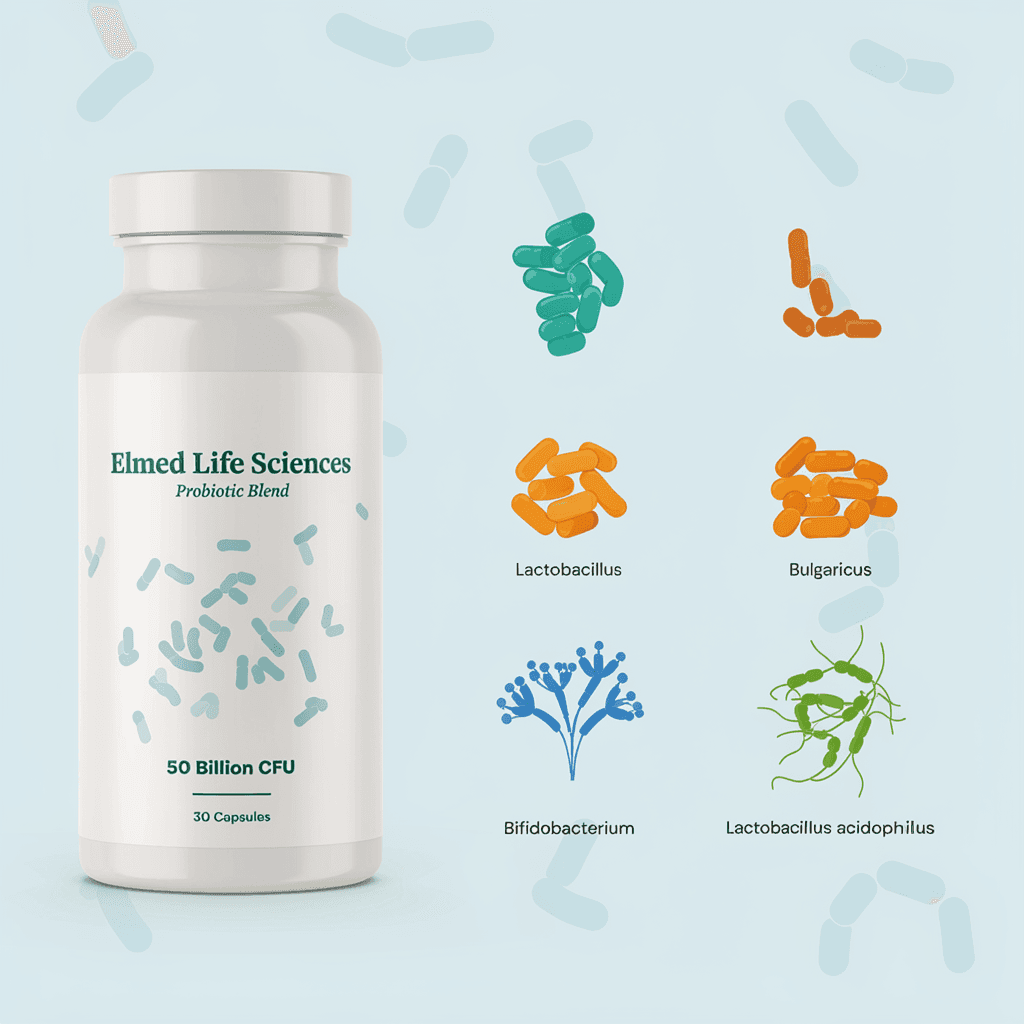
Probiotic blends are formulations containing two or more beneficial microbial strains selected for specific functional purposes. These microorganisms may belong to different genera and species, including Lactobacillus (now divided into several reclassified genera), Bifidobacterium and Bacillus.
However, not every beneficial microorganism is suitable for every formulation. Each strain possesses distinct biological characteristics, growth requirements and functional properties. Therefore, selecting microorganisms based solely on their species name is not sufficient.
A scientifically guided selection process considers the complete strain identity, documented safety, functional characteristics and intended application. This approach helps manufacturers develop probiotic blends with clearly defined quality parameters.
1. Identifying the Right Microbial Strains
Accurate identification is the foundation of probiotic blend development. Microorganisms should be identified at the genus, species and strain levels using validated identification techniques.
Different strains belonging to the same species may demonstrate different functional characteristics. Their ability to survive environmental conditions, produce metabolites and interact with other microorganisms can vary considerably.
Manufacturers may use molecular identification methods, such as polymerase chain reaction (PCR), 16S rRNA sequencing and whole-genome sequencing, depending on the identification requirements.
Proper strain documentation also helps maintain traceability, supports quality assurance and allows manufacturers to establish consistency between production batches.
2. Evaluating Strain Compatibility for Better Formulations
One of the most important considerations when developing multi-strain probiotic blends is microbial compatibility.
Combining several microorganisms does not automatically produce a superior formulation. Certain strains may compete for nutrients, produce inhibitory substances or demonstrate different growth requirements.
Before combining microorganisms, manufacturers should evaluate:
Compatibility between individual microbial strains.
Nutritional and environmental growth requirements.
Potential antagonistic interactions.
Differences in growth rates and metabolic activities.
Stability of individual strains within the final formulation.
Compatibility assessments help determine whether selected microorganisms can coexist without negatively affecting the intended characteristics of the formulation.
This is particularly important for commercial applications where maintaining the specified microbial composition throughout the product's shelf life is essential.
3. Assessing Functional Characteristics and Viability
The functional properties of microbial strains play a major role in determining their suitability for probiotic formulations.
Depending on the intended application, manufacturers may evaluate characteristics such as acid tolerance, bile tolerance, resistance to environmental stress and metabolic activity.
For gastrointestinal applications, selected strains may undergo laboratory screening to assess their ability to tolerate conditions encountered during digestion.
Other important considerations include:
Acid and bile tolerance: These characteristics help evaluate whether microorganisms can withstand relevant gastrointestinal conditions.
Metabolic activity: Certain microorganisms produce organic acids and other metabolites that contribute to their biological functionality.
Adhesion characteristics: Adhesion to mucus or epithelial cells may be investigated for specific research purposes, although it is not a universal requirement for probiotic qualification.
Viability: Maintaining sufficient live microorganisms during processing, storage and distribution is essential for products intended to deliver probiotic benefits.
It is important to remember that laboratory characteristics alone do not establish a proven health benefit. Functional claims should be supported by appropriate scientific evidence for the specific strain or strain combination.
4. Why Safety Assessment Matters in Strain Selection
Safety is a fundamental requirement when selecting microorganisms for commercial probiotic formulations.
Each candidate strain should undergo an appropriate safety evaluation based on its identity, intended application and applicable regulatory requirements.
Manufacturers should consider factors such as:
Accurate microbial identification.
Relevant safety history and scientific documentation.
Potential pathogenic characteristics.
Antimicrobial resistance concerns, including transferable resistance determinants.
Microbial purity and contamination control.
For food and dietary supplement applications in India, the applicable regulatory framework and relevant probiotic guidelines should guide strain evaluation, product development and labeling.
A documented safety assessment helps manufacturers select suitable microorganisms while supporting responsible product development.
5. Maintaining Stability in Multi-Strain Probiotic Blends
Even carefully selected microbial strains may lose viability if the formulation and storage conditions are not properly controlled.
Different microorganisms can respond differently to temperature, moisture, oxygen exposure and processing conditions. These differences make stability testing particularly important in multi-strain formulations.
Manufacturers should evaluate:
Moisture sensitivity of individual strains.
Compatibility with formulation ingredients.
Suitable processing and drying conditions.
Packaging protection against moisture and oxygen.
Recommended storage conditions.
Viable microbial counts throughout the shelf life.
The final formulation should be tested to verify that individual strains maintain their specified viable counts under the intended storage conditions.
These measures support product consistency and help ensure that the formulation meets its declared quality specifications until the end of its shelf life.
6. Selecting Strains According to Industrial Applications
The ideal microbial combination depends on the intended end use. A formulation developed for human nutrition may require different microbial characteristics from one designed for agriculture or animal nutrition.
Some important application areas include:
Nutraceuticals and dietary supplements: Strain selection may focus on documented gastrointestinal functionality, safety, stability and suitability for the intended dosage form.
Animal nutrition: Probiotic formulations for poultry and livestock require microorganisms evaluated for the target animal species, intended application and relevant performance parameters.
Aquaculture: Microbial strains may be selected based on their suitability for aquatic environments, compatibility and intended water or feed applications.
Agriculture: Agricultural microbial blends may contain beneficial microorganisms selected for specific soil, crop or nutrient-related applications. Their suitability should be evaluated according to the intended agricultural use.
Application-specific selection ensures that probiotic formulations are developed around clearly defined requirements rather than using the same microbial combination for every industry.
7. What Should Businesses Look for in a Probiotic Blend Manufacturer?
Choosing an experienced manufacturing partner is an important step for businesses planning to develop or source commercial probiotic formulations.
When evaluating Probiotic Blends Manufacturers in India, businesses should consider their approach to microbial identification, strain selection, compatibility assessment and quality control.
A reliable manufacturing partner should be able to provide relevant information about:
Microbial strain identity and specifications.
Formulation development and customization capabilities.
Quality testing and microbial purity.
CFU specifications and viability testing.
Packaging and storage recommendations.
Batch documentation and applicable regulatory compliance.
Businesses should also understand the manufacturer's experience with the intended product category and whether its production capabilities align with their commercial requirements.
Conclusion
Microbial strain selection is much more than choosing microorganisms and combining them into a single formulation. It involves scientific identification, compatibility assessment, safety evaluation, functional characterization and stability testing.
For businesses seeking dependable Probiotic Blends Manufacturers in India, these factors are important when evaluating product quality and manufacturing expertise. A carefully developed microbial combination can support consistent formulations designed for specific applications across nutraceuticals, animal nutrition, aquaculture and agriculture.
ELMED Life Sciences provides a starting point for businesses exploring probiotic blend manufacturing solutions in India. To learn more about available manufacturing and formulation options, visit the Probiotic Blends Manufacturers in India page and connect with the team to discuss your business requirements.
Other Recommendations: Azospirillum Biofertilizer Manufacturers in India