Maintaining healthy pond water is essential for successful fish farming, as water conditions directly influence fish health, feeding activity, and overall farm productivity. Aqua probiotics are increasingly considered part of responsible pond management because selected beneficial microorganisms may support organic matter decomposition and microbial balance. For farmers and aquaculture businesses exploring Aqua Probiotic Manufacturers in Hyderabad, understanding how these microbial solutions work can help them make informed product and pond management decisions.
Understanding Pond Water Quality in Fish Farming
Pond water quality depends on several interconnected factors, including dissolved oxygen, pH, temperature, ammonia, nitrite, and the accumulation of uneaten feed and fish waste. When these factors move outside the suitable range for the cultured species, fish may experience stress, reduced feeding activity, and greater vulnerability to health problems.
Organic waste is a common challenge in intensive fish farming. Uneaten feed, faecal matter, dead algae, and other organic materials can accumulate on the pond bottom. Their decomposition consumes oxygen and influences nutrient cycling, potentially creating unfavourable conditions for aquatic life.
Regular water testing, suitable stocking density, appropriate feeding practices, aeration, and pond maintenance form the foundation of effective water quality management. Aqua probiotics may complement these measures when the microbial strains and product formulation are suitable for the farming system.
What Are Aqua Probiotics?
Aqua probiotics are preparations containing selected beneficial microorganisms intended for use in aquaculture. Depending on their composition, these products may be designed for pond water, pond sediment, or other specific aquaculture applications.
Certain microorganisms participate in biological processes that break down organic substances and transform nutrients. When suitable strains are applied according to product instructions, they may contribute to managing organic loads and supporting a more balanced microbial environment.
However, not every probiotic contains the same organisms or performs the same function. Farmers should consider the intended application, microbial composition, viable cell count, storage conditions, and manufacturer recommendations before selecting a product.
5 Ways Aqua Probiotics May Support Pond Water Quality
1. Supporting Organic Matter Decomposition
Uneaten feed and fish waste can gradually build up in pond water and sediment. Selected microbial strains may help break down certain organic materials through natural biological processes.
Managing organic accumulation is important because excessive waste can contribute to oxygen consumption, sediment deterioration, and fluctuations in water quality. Probiotic applications may support an integrated waste management programme, but they should not replace physical pond cleaning or responsible feeding practices.
2. Contributing to Microbial Balance
A pond contains a complex community of microorganisms that interact with organic material, nutrients, and aquatic organisms. Changes in feeding intensity, temperature, and waste accumulation can influence this microbial environment.
Appropriately selected aqua probiotics may help support beneficial microbial activity under suitable conditions. Their effectiveness depends on strain characteristics, product viability, water conditions, and application methods.
Farmers should avoid assuming that every microbial product will suppress harmful organisms or deliver identical results in every pond.
3. Supporting Nutrient Management
Nitrogen compounds are important water quality indicators in aquaculture. Fish excrete ammonia, while decomposing organic matter can add to the nitrogen load. Under appropriate conditions, certain microorganisms participate in nitrogen transformation processes.
Some specialised microbial systems can help manage nitrogen compounds, but the effect depends on the organisms present and the environmental conditions. A general aqua probiotic should not automatically be considered an ammonia-removal solution.
Regular testing of ammonia and nitrite remains essential. Where readings become unsafe, farmers should promptly implement suitable corrective measures rather than relying on probiotics alone.
4. Helping Manage Pond Sediment
The pond bottom acts as a collection area for organic residues. When excessive material accumulates, sediment conditions may deteriorate and contribute to poor water quality.
Products specifically formulated for pond-bottom applications may support the biological breakdown of certain organic materials. Their suitability depends on the sediment condition, microbial formulation, and recommended application rate.
Farmers should distinguish between products designed for pond water and those intended for sediment management. Following the product label helps ensure the application matches the intended purpose.
5. Complementing Sustainable Aquaculture Practices
Responsible fish farming requires a combination of preventive management, monitoring, and appropriate interventions. Aqua probiotics can be one component of this integrated approach when supported by product-specific evidence and correct application.
By combining suitable microbial products with good feeding practices, regular water testing, adequate aeration, and effective biosecurity, farmers can develop a more systematic approach to managing pond conditions.
The objective should be consistent environmental monitoring and responsible farm management, not an assumption that probiotics alone can prevent every water quality problem.
Best Practices for Using Aqua Probiotics in Fish Ponds
Selecting a suitable product is only one part of effective pond management. Farmers should follow a structured process to obtain the best possible value from their microbial management programme.
Test water quality regularly. Monitor dissolved oxygen, pH, temperature, ammonia, and nitrite. Interpret results according to the requirements of the cultured species and the production system.
Choose the correct formulation. Check whether the product is intended for pond water, pond sediment, or another specific application. Review its microbial composition and stated purpose.
Follow recommended application rates. Use the manufacturer's instructions for dosage, frequency, preparation, and application. Avoid increasing the dose without technical guidance.
Check storage and shelf life. Heat, moisture, unsuitable storage conditions, and expired products may reduce microbial viability. Store the product as directed on its label.
Maintain adequate aeration. Microbial activity and organic waste decomposition can influence oxygen demand. Ensure that aeration and oxygen monitoring are appropriate for the pond's stocking density and environmental conditions.
Evaluate results through monitoring. Record water quality measurements, feeding behaviour, and pond conditions before and after application. This helps farmers assess whether their management programme requires adjustment.
How to Select a Reliable Aqua Probiotic Manufacturer
Choosing a suitable supplier is important for farmers, aquaculture distributors, and commercial fish farming businesses. Product quality and consistency can influence how reliably a microbial formulation performs under its intended conditions.
When evaluating Aqua Probiotic Manufacturers in Hyderabad, consider the following factors:
Microbial specifications: Request information about the strains or microbial groups included in the product and their intended applications.
Viable cell count: Review the stated CFU count, testing methods, and whether the specification applies throughout the declared shelf life.
Quality documentation: Ask for relevant batch documentation, such as a Certificate of Analysis, where available.
Packaging and stability: Check whether packaging protects the formulation and supports the recommended storage conditions.
Technical guidance: Prefer suppliers that clearly explain application instructions, product limitations, and compatibility considerations.
Supply reliability: For commercial operations, assess packaging options, batch traceability, and the supplier's ability to meet recurring requirements.
For businesses comparing Aqua Probiotic Manufacturers in Hyderabad, these checks provide a practical starting point for assessing products according to their operational requirements rather than price alone.
Why Consider ELMED Life Sciences for Aqua Probiotic Requirements?
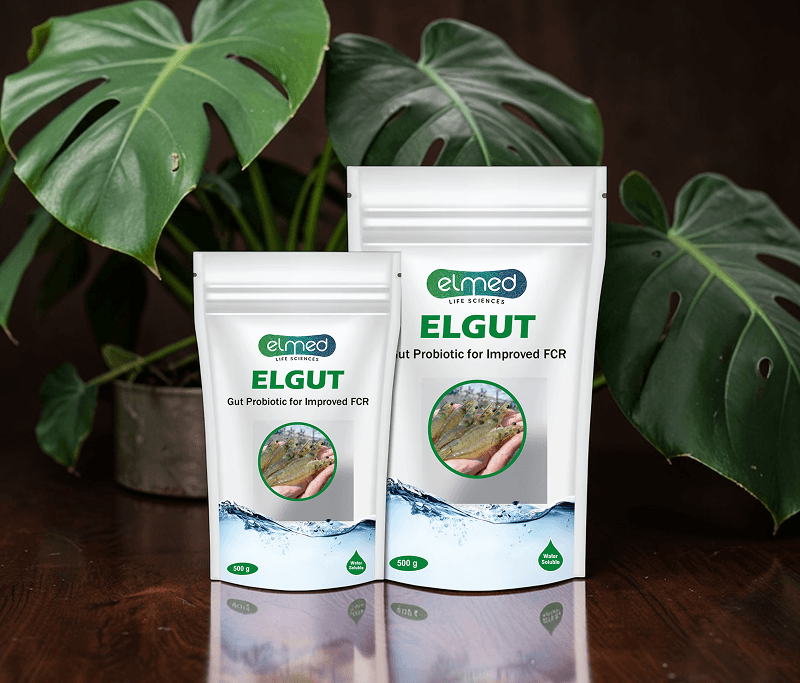
ELMED Life Sciences develops and manufactures microbial and probiotic solutions for aquaculture and related applications. Based in Hyderabad, the company serves businesses seeking bulk microbial formulations and aquaculture-focused solutions.
Fish farmers, distributors, and aquaculture businesses can explore the company's product information to understand available formulations, specifications, and intended applications. Before purchasing, confirm the suitability of the selected product for the target fish species and pond management programme.
To learn more about available solutions, visit the ELMED Life Sciences Aqua Probiotic Manufacturers in Hyderabad page. Contact the company to request relevant technical specifications and discuss your application requirements.
Conclusion
Effective pond water quality management is essential for maintaining suitable conditions for fish farming. Aqua probiotics may support organic matter decomposition, microbial balance, and selected biological processes when the formulation is appropriate and the product is used correctly.
However, microbial applications work best as part of a broader management programme that includes water testing, adequate aeration, responsible feeding, and regular pond maintenance. By understanding product specifications and choosing suitable microbial solutions, farmers can make more informed decisions about pond management.
For aquaculture businesses seeking product information and manufacturing support, evaluating Aqua Probiotic Manufacturers in Hyderabad on the basis of microbial quality, technical documentation, and supply consistency can help identify an appropriate partner for their requirements.
Other Recommendations: Bacillus Licheniformis Manufacturers in Hyderabad