Facial pigmentation can make the skin appear uneven, dull, or patchy, particularly when dark spots become noticeable across areas such as the cheeks, forehead, nose, or upper lip. Many people explore skincare options that can support a more balanced-looking complexion, including Laser Treatments in Dubai, which are commonly considered for concerns involving unwanted pigmentation. Whether laser treatment is appropriate depends on the type, depth, and cause of pigmentation, as different skin concerns may respond differently to targeted approaches.
Understanding Facial Pigmentation
Pigmentation refers to areas of skin that appear darker or lighter than the surrounding complexion. Darker pigmentation is often associated with increased melanin activity, although several factors can contribute to its appearance. Common forms of facial pigmentation include sun spots, post-inflammatory marks, melasma, and freckles.
Pigmentation can develop gradually or become more noticeable following certain skin concerns. For some individuals, the discoloration may remain relatively stable, while others may notice changes depending on environmental exposure, hormonal influences, or their overall skincare habits.
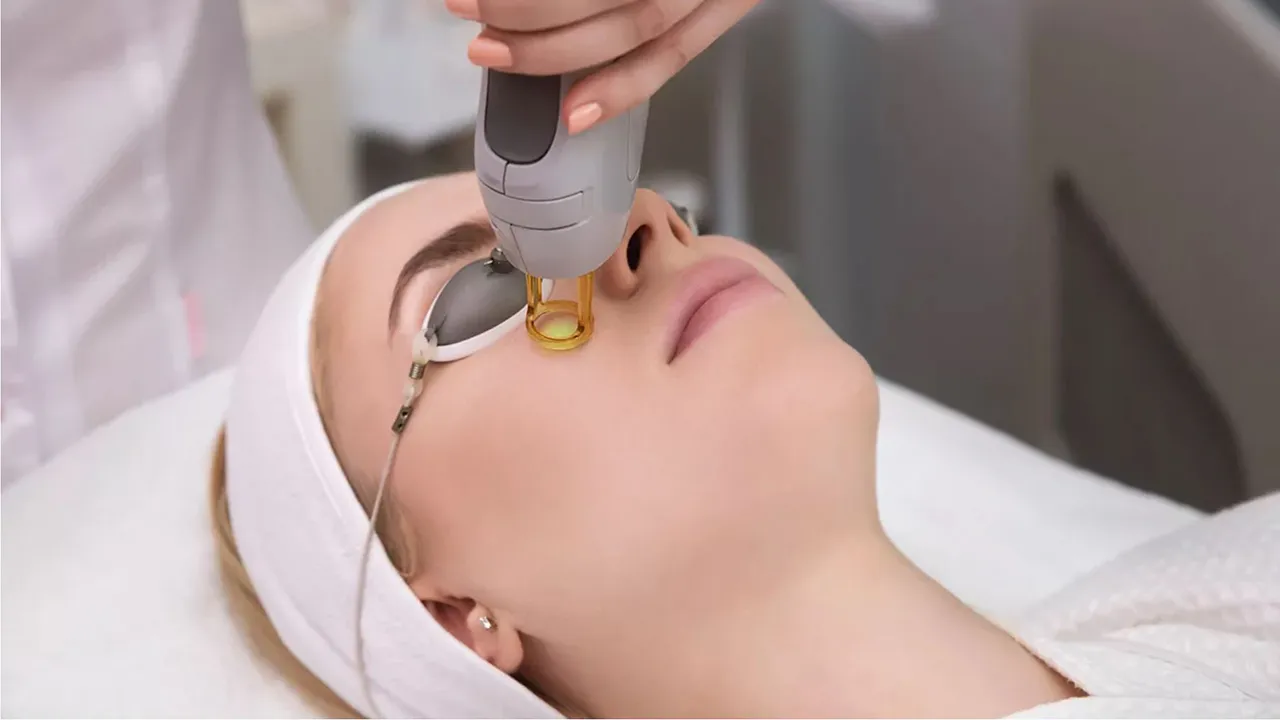
Can Laser Treatment Help With Facial Pigmentation?
Laser-based treatments can be considered for certain types of facial pigmentation. They are generally intended to target unwanted pigment while supporting a more even appearance of the skin. However, suitability varies from person to person.
The type and location of pigmentation
The person's natural skin tone
The depth and appearance of the discoloration
Skin sensitivity and existing skin concerns
The tendency of the skin to develop pigmentation after irritation
Types of Pigmentation That May Be Considered
Laser treatment may be explored for different forms of unwanted facial discoloration, although individual suitability should always be considered carefully.
Sun Spots
Sun-related spots can appear as darker patches on areas that receive frequent exposure to sunlight. They are commonly noticed on the cheeks, forehead, nose, and other exposed parts of the face. Certain laser approaches may be considered when these marks are a primary concern.
Post-Inflammatory Pigmentation
Dark marks can sometimes remain after acne, irritation, or other inflammatory skin conditions. These marks may vary in intensity and can be more noticeable against certain skin tones. Laser treatment may be considered in selected cases, depending on the nature of the pigmentation and the skin's sensitivity.
Melasma
Melasma is a pigmentation condition that commonly appears as larger, irregular patches, particularly across the cheeks, forehead, nose, or upper lip. It can be more complex than isolated pigmentation spots and may require particularly careful consideration when laser-based treatment is being discussed.
What Factors Influence Suitability?
Not every person with facial pigmentation is automatically a suitable candidate for laser treatment. Skin characteristics and the nature of the pigmentation can make a significant difference.
Skin tone and pigmentation tendencies
Existing irritation or inflammation
Sensitivity to skincare products
Previous pigmentation concerns
The appearance and distribution of dark patches
Exposure to ultraviolet light
Hormonal factors associated with certain pigmentation conditions
Can Laser Treatment Be Used for Different Skin Tones?
Laser-based pigmentation care can be considered across different skin tones, but the approach must take individual characteristics into account. Darker skin contains more melanin, which can make pigmentation management more sensitive to excessive irritation or unsuitable energy levels.
This does not automatically mean that people with darker complexions cannot consider laser treatment. Instead, the specific pigmentation concern, skin condition, and tendency toward discoloration should be assessed before choosing an appropriate option.
How Does Sun Exposure Affect Facial Pigmentation?
Sun exposure is an important consideration for anyone concerned about facial pigmentation. Ultraviolet exposure can make existing discoloration more noticeable and may encourage additional pigment changes.
Protecting the face from excessive sun exposure can therefore complement a pigmentation-focused skincare routine. Broad-spectrum sunscreen, appropriate protective clothing, shade, and sensible sun habits can all help minimize factors that may contribute to uneven pigmentation.
Why Is Personalized Pigmentation Assessment Important?
Facial pigmentation is not a single condition. A dark mark caused by a previous blemish can have different characteristics from melasma or a sun-related spot. Treating every type of pigmentation in exactly the same way may therefore be inappropriate.
A personalized assessment can help distinguish between different pigmentation patterns and identify factors that could influence treatment suitability. It can also help determine whether laser treatment should be considered alongside other forms of pigmentation care.
Supporting a More Even-Looking Complexion
Laser treatment is only one consideration when managing facial pigmentation. Everyday skincare habits can also play an important role in maintaining a balanced-looking complexion.
Gentle cleansing, appropriate moisturization, consistent sun protection, and avoiding unnecessary skin irritation can support overall skin health. Products containing ingredients commonly used for uneven pigmentation may also be considered according to individual skin needs.
Final Thoughts
Laser treatment may help address certain forms of facial pigmentation, but its suitability depends heavily on the type of discoloration, skin tone, sensitivity, and underlying causes. Sun spots, post-inflammatory marks, and melasma can behave differently, so they should not automatically be approached in the same way.
A thoughtful assessment of the pigmentation concern can help determine whether laser-based care is appropriate. Alongside professional guidance, consistent sun protection and gentle skincare can remain valuable parts of maintaining an even-looking complexion.