Skin tags are small, soft growths that commonly appear on areas where the skin folds or experiences repeated friction. They may develop around the neck, underarms, eyelids, or other parts of the body. Although these growths are generally harmless, their raised appearance can make the skin look less even. For individuals exploring Skin Tag Removal in Dubai, understanding how these growths affect skin texture can help them make informed decisions about their skincare needs. Skin tags are usually painless, but they may occasionally become irritated by clothing, jewelry, or everyday movement.
How Skin Tags Affect Skin Smoothness
Smooth-looking skin typically has an even surface without noticeable bumps or irregularities. Skin tags can interrupt this appearance because they extend above the surrounding skin. Depending on their size, number, and location, they may be barely noticeable or more prominent.
Their effect on skin texture can vary from person to person. A single, tiny growth might have little influence on overall appearance, whereas multiple skin tags across the neck or underarms may create a visibly uneven surface.
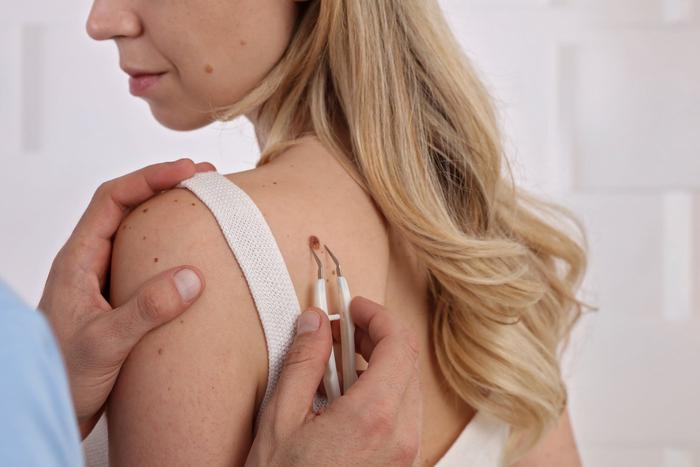
Can Removing Skin Tags Improve Skin Texture?
Skin tag removal can help the skin appear smoother by addressing the raised growths responsible for certain surface irregularities. When unwanted skin tags are no longer present, the surrounding area may look more even, particularly when the growths were clearly visible.
However, it is important to understand that smoother-looking skin does not necessarily mean every skin concern will disappear. Skin tags are only one possible reason for an uneven appearance.
Common Areas Where Skin Tags Affect Appearance
Skin tags can develop in several locations, and their visibility often depends on the area's natural contours and exposure. Common areas include:
Neck: Small growths may become noticeable around the collar line or on exposed skin.
Underarms: Skin tags can contribute to a less even appearance in areas affected by friction.
Eyelids: Growths in this delicate area may attract attention because of their position near the eyes.
Upper chest: Visible skin tags may affect the appearance of otherwise smooth skin.
Skin folds: Growths in areas where surfaces rub together can become more noticeable during daily activities.
Why Skin Tags May Become a Cosmetic Concern
Skin tags are common and do not automatically indicate a skin health problem. Nevertheless, some people feel uncomfortable when these growths become visible or interfere with their preferred appearance.
For example, growths around the neck may be noticeable when wearing open-neck clothing, while those near the underarms may attract attention when the arms are raised. Others may simply prefer skin that feels more uniform to the touch. These concerns are personal, and there is no single standard for what smooth skin should look like.
Skin Tags Compared With Other Skin Imperfections
Not every bump or rough patch on the skin is a skin tag. Several other conditions can create a similar appearance, making it important to distinguish between them.
Warts: These growths may have a rough surface and can be caused by certain human papillomavirus types.
Moles: These can be flat or raised and may differ in color and shape.
Seborrheic keratoses: These noncancerous growths can have a waxy or rough appearance.
Acne bumps: These are associated with clogged pores and inflammation rather than skin tags.
Scars: These may create raised or depressed areas that affect skin texture.
Factors That Influence the Appearance of Skin
Skin smoothness depends on several characteristics beyond the presence of skin tags. Natural texture, age, genetics, environmental exposure, and everyday skincare habits can all influence how the skin looks and feels.
Dryness may make the surface appear rough, while irritation can cause redness or sensitivity. Areas exposed to repeated friction may also experience changes in texture. Skin tags can exist alongside these concerns, but addressing one issue does not necessarily resolve the others.
Maintaining Healthy Skin After Addressing Skin Tags
Healthy skincare habits can support the appearance and comfort of the surrounding skin. Although skincare products do not reliably eliminate existing skin tags, appropriate daily care can help maintain the skin barrier. Helpful habits include:
Using a gentle cleanser suited to your skin type.
Applying a moisturizer to reduce dryness and maintain skin comfort.
Protecting exposed skin from excessive sun exposure with suitable sunscreen.
Avoiding unnecessary friction and harsh products on sensitive areas.
Refraining from scratching, cutting, or tying off skin tags at home.
Understanding Realistic Expectations for Smoother Skin
Skin tag removal focuses on unwanted growths rather than every aspect of skin quality. The visible difference depends on the size and location of the growths, the condition of the surrounding skin, and individual healing characteristics.
It is also worth remembering that normal skin naturally has pores, fine lines, and variations in texture. Completely flawless skin is not a realistic requirement for healthy skin. A more useful goal is an appearance that feels comfortable and aligns with personal preferences without overlooking skin health.
Final Thoughts
Skin tag removal can contribute to a smoother-looking appearance when raised growths are responsible for visible surface irregularities. By addressing these specific bumps, individuals may find that the affected areas look more uniform. It is equally important to avoid removing unfamiliar growths without professional guidance, particularly when they change in appearance or cause discomfort. With realistic expectations and appropriate skin care, individuals can focus on maintaining healthy skin while deciding which cosmetic concerns matter most to them.