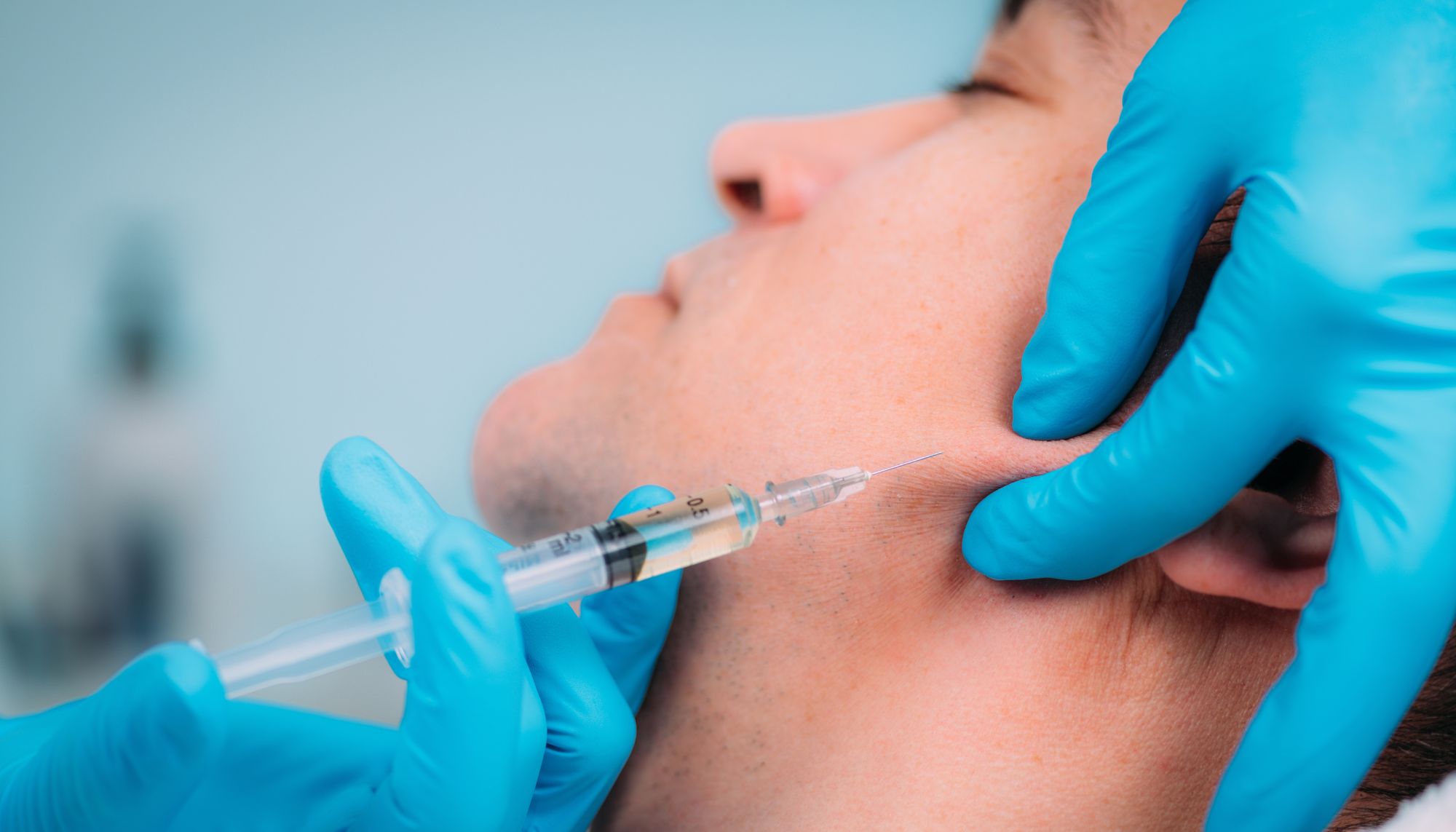
Facial proportions describe the relationship between different features, including the forehead, cheeks, chin, and lower face. A balanced appearance does not require every feature to have identical dimensions or follow a particular standard. Instead, harmony comes from how individual features complement one another. The jawline plays an important role in this relationship because it defines the lower facial outline. For individuals exploring Jawline Contouring Injections in Dubai, understanding facial proportions provides a useful starting point for appreciating the connection between jaw definition and overall facial structure.
The Role of the Jawline in Facial Balance
The jawline creates a visual boundary between the face and neck. Its shape, width, and angle contribute to the overall appearance of the lower face. A defined jawline may create a more structured appearance, while a softer outline can give the face a gentler look. Neither characteristic is inherently better, as facial balance depends on individual anatomy and personal preferences. The jawline also interacts visually with the chin and cheeks, making it an important consideration when discussing facial proportions.
How the Chin Connects With the Jawline
The chin and jawline work together to establish the shape of the lower face. Chin projection, width, and position influence how the jawline is perceived from different angles.
Important anatomical considerations include:
Chin projection in relation to the lower facial profile.
The angle where the jaw meets the area below the ear.
The relationship between the width of the chin and the jaw.
These characteristics help explain why facial proportions are individual rather than universal.
The Connection Between Cheeks and Jaw Definition
The cheeks contribute to the middle portion of the face, while the jawline defines its lower boundary. Their relationship influences the overall facial silhouette. Fuller cheeks may create a rounded appearance, whereas more prominent cheekbones can establish a stronger visual distinction between the middle and lower face. Jawline contouring is therefore best understood within the context of surrounding features. Considering cheek shape and facial width helps provide a broader perspective on proportion without assuming that every face should have the same contours.
Different Face Shapes and Jawline Structure
Faces are commonly described using categories such as oval, round, square, heart-shaped, and rectangular. These descriptions offer general ways to discuss facial outlines, although many people have characteristics that overlap several categories. A naturally square face may have a wider jaw, while an oval face may have a more gradual transition from the cheeks to the chin. Recognizing these differences helps explain why the same jawline shape may look different from one person to another. Individual anatomy remains more informative than relying exclusively on a face-shape label.
Factors That Influence Facial Proportions
Several structural characteristics contribute to the appearance of the jawline and its relationship with other facial features. Bone structure establishes the underlying framework, while soft tissue contributes to the visible contours.
Key considerations include:
Natural jawbone width and angle.
The distribution of volume around the cheeks and chin.
The relationship between facial width and overall facial length.
The Importance of Natural-Looking Contours
Facial harmony is not simply a matter of creating sharper angles or a more prominent jaw. The appearance of balance depends on how the lower face relates to the rest of the facial structure. Overemphasizing one feature can make the overall outline appear less consistent with a person's natural anatomy. For this reason, discussions about contouring often emphasize proportion, symmetry, and the preservation of individual characteristics. Natural-looking contours respect the existing structure instead of treating one particular jawline shape as the ideal for everyone.
Facial Symmetry and Individual Differences
Symmetry is another concept associated with facial proportions, but perfectly identical facial sides are uncommon. Small differences in the jaw, cheeks, or chin are normal parts of human anatomy. These variations can influence the way the jawline appears from the front or side. It is useful to distinguish between natural asymmetry and an individual's personal preferences regarding facial definition. A broader understanding of symmetry recognizes that balanced facial features do not need to be perfectly identical to appear harmonious.
Final Thoughts
Jawline contouring is closely connected to the broader concept of facial proportions because the lower face contributes to the overall shape and structure of the face. The chin, cheeks, jaw angle, and distribution of facial volume all influence how these features relate to one another. Understanding these connections provides a more informed perspective on injectable contouring and its place within aesthetic discussions.