Activated Carbon Market intelligence provides a broad understanding of the factors influencing production, demand, competition, applications, and long-term business strategies across the industry. Activated carbon has become an important material in purification and filtration processes because of its highly porous structure and strong adsorption capabilities. Its ability to capture impurities, contaminants, odors, and unwanted chemical compounds makes it valuable across a wide range of industrial and commercial applications.
Understanding market intelligence is increasingly important for manufacturers, suppliers, investors, distributors, and businesses operating within the Activated Carbon Market. Industry conditions are influenced by changing environmental requirements, raw material availability, technological developments, customer expectations, and expanding demand for cleaner water and air.
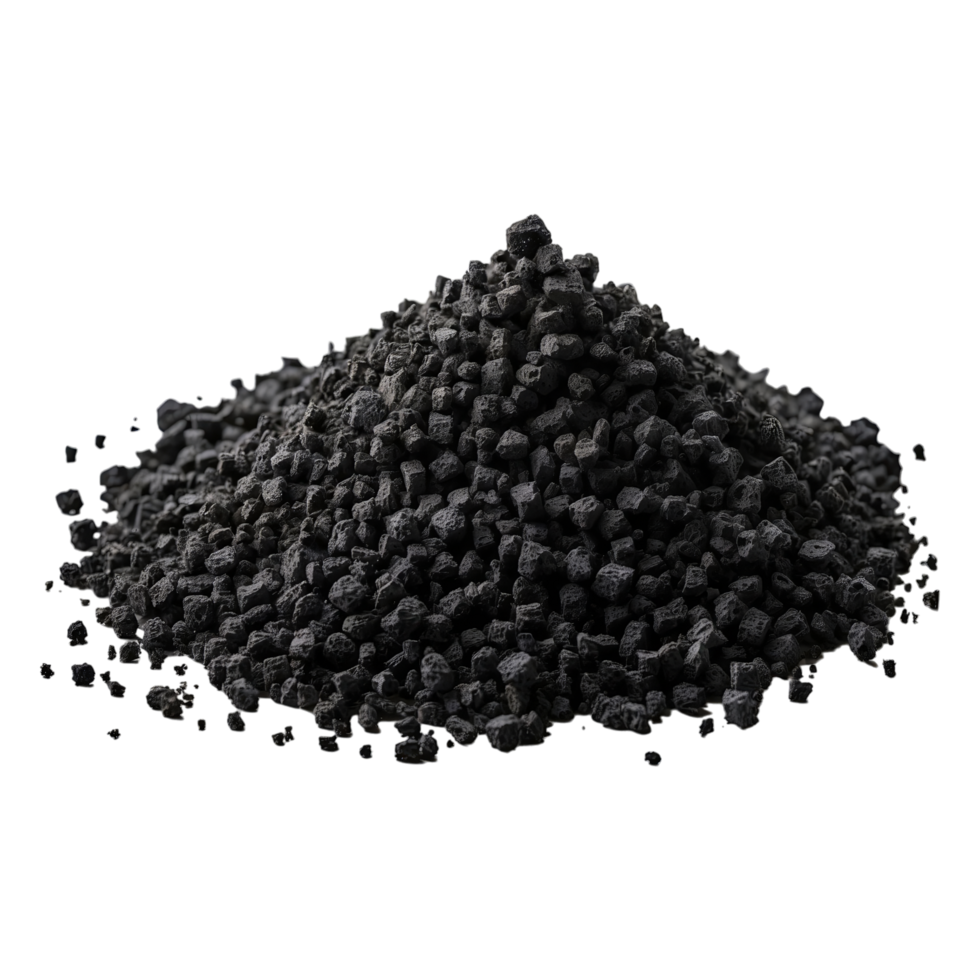
Understanding the Activated Carbon Market Landscape
The Activated Carbon Market consists of different product types, raw material sources, and application areas. Activated carbon can be produced from materials such as coconut shells, wood, coal, and other carbon-rich feedstocks. Each source can offer different physical and chemical properties, making certain products more suitable for specific filtration and purification requirements.
Market intelligence helps businesses understand how these product variations influence customer demand. For example, industries requiring highly efficient adsorption may prioritize products with particular pore structures and surface characteristics. Meanwhile, cost-sensitive applications may focus more heavily on product availability and production economics.
The market landscape is also becoming more specialized. Customers increasingly seek activated carbon products designed for specific operational conditions rather than relying solely on general-purpose materials. This shift creates opportunities for companies capable of developing application-focused solutions.
Demand Intelligence Across Key End-Use Industries
One of the most important elements of Activated Carbon Market intelligence is the evaluation of demand across different industries. Water treatment remains a major area of consumption because activated carbon is widely used to remove organic compounds, chlorine, odors, and other undesirable substances.
Growing attention toward water quality is supporting the use of advanced filtration technologies in municipal, industrial, and commercial environments. Industries are also adopting purification systems to improve process efficiency and meet operational standards.
Air purification represents another important demand area. Activated carbon is used in systems designed to capture odors, gases, volatile compounds, and airborne contaminants. Increasing awareness of indoor air quality and industrial emission management is contributing to interest in effective adsorption materials.
The material also finds applications in food and beverage processing, pharmaceuticals, chemical manufacturing, automotive systems, mining, and other specialized industries. Market intelligence allows companies to identify which end-use segments are expanding and where future demand could emerge.
Raw Material Intelligence and Supply Chain Considerations
Raw materials play a major role in determining the production economics of the Activated Carbon Market. The availability and pricing of coconut shells, coal, wood, and other feedstocks can directly influence manufacturing costs and product supply.
Coconut shell-based activated carbon is particularly important in applications requiring specific adsorption properties. However, the supply of agricultural raw materials can be affected by weather conditions, agricultural output, regional trade patterns, and competition from alternative uses.
Coal-based and wood-based products also have their own supply considerations. Changes in environmental policies, transportation costs, energy prices, and industrial regulations can affect the economics of different production routes.
Market intelligence therefore requires close monitoring of supply chain developments. Manufacturers that maintain diversified sourcing strategies may be better positioned to manage disruptions and changing input costs.
Technology Intelligence and Product Development
Technology is becoming an increasingly important part of the Activated Carbon Market. Producers are working to improve adsorption performance, regeneration capabilities, product consistency, and manufacturing efficiency.
Advances in activation processes can influence the pore structure and surface area of the final product. These characteristics are important because they affect how efficiently activated carbon captures specific contaminants.
Product development is also becoming more application-oriented. Instead of supplying only standard grades, manufacturers are increasingly focusing on products designed for water treatment, gas purification, industrial processing, and specialized environmental applications.
Regeneration technology is another area of growing interest. The ability to reactivate and reuse activated carbon can help reduce waste and improve the economics of filtration systems. This creates opportunities for companies offering regeneration services and circular resource solutions.
Competitive Intelligence in the Activated Carbon Market
Competitive intelligence helps businesses understand the strategies used by other participants in the industry. Competition can involve product quality, pricing, production capacity, geographic reach, customer relationships, and technical expertise.
Large manufacturers may benefit from established production networks and broad product portfolios. Smaller and specialized companies, however, may compete through customized products, regional service capabilities, or expertise in particular applications.
Strategic partnerships are also becoming important. Activated carbon producers may collaborate with water treatment companies, equipment manufacturers, distributors, and industrial service providers to expand their market presence.
Businesses must also monitor capacity expansion plans within the industry. Significant increases in production capacity can influence product availability and competitive pricing. At the same time, strong growth in environmental applications can create opportunities for additional investment.
Regional Intelligence and Geographic Opportunities
Regional conditions significantly influence the Activated Carbon Market. Demand patterns vary depending on industrial development, environmental priorities, water infrastructure, and manufacturing activity.
Regions with expanding urban populations may require greater investment in water treatment and purification systems. Industrializing economies can also generate demand for emission control and wastewater treatment solutions.
Developed markets may focus more heavily on advanced filtration technologies, regulatory compliance, and high-performance applications. Meanwhile, emerging economies may offer opportunities linked to infrastructure development and industrial expansion.
Geographic intelligence helps companies determine where to establish production facilities, distribution networks, and strategic partnerships. Understanding local customer needs is essential because product requirements can differ significantly from one market to another.
Regulatory and Environmental Intelligence
Environmental considerations have a strong influence on the Activated Carbon Market. Governments and industries are placing increasing attention on reducing pollution, improving water quality, and controlling harmful emissions.
Activated carbon supports many of these objectives because of its ability to remove contaminants from liquids and gases. As environmental expectations become more demanding, industries may need more advanced purification systems.
However, regulatory developments can also create challenges. Manufacturing operations may face requirements related to energy consumption, emissions, waste management, and raw material sourcing.
Companies with strong environmental intelligence can better prepare for regulatory changes. Sustainable sourcing, efficient production methods, and regeneration services may become increasingly valuable competitive advantages.
Customer Intelligence and Changing Buying Behavior
Customer expectations are evolving across the Activated Carbon Market. Buyers are increasingly interested in product performance, consistency, technical support, and long-term operating costs.
Price remains an important consideration, but purchasing decisions are often becoming more complex. Industrial customers may evaluate adsorption capacity, product lifespan, replacement frequency, and compatibility with existing equipment.
This creates a need for manufacturers and suppliers to provide technical guidance alongside their products. Companies that understand customer operating challenges can develop stronger relationships and potentially create more specialized solutions.
Digital communication and improved access to technical information are also changing how customers evaluate suppliers. Businesses must maintain clear product information and demonstrate their ability to meet specific application requirements.
Strategic Intelligence for Future Growth
The future direction of the Activated Carbon Market will depend on how effectively businesses respond to changing industrial and environmental needs. Water security, pollution management, air quality concerns, and industrial sustainability are likely to remain important themes.
Companies can use market intelligence to identify emerging opportunities before they become highly competitive. Monitoring customer investments, regulatory changes, technology developments, and supply chain conditions can support better strategic decisions.
Diversification may also become increasingly important. Manufacturers that serve multiple industries and geographic markets may be better protected against fluctuations in individual sectors.
Investment in research, efficient manufacturing, and sustainable solutions can further strengthen long-term competitiveness. Businesses that combine technical expertise with strong market awareness are likely to be better positioned to respond to future changes.
Conclusion
Activated Carbon Market intelligence is essential for understanding the complex forces shaping industry development. Demand from water treatment, air purification, industrial processing, and environmental applications continues to influence market activity, while raw material conditions and technological developments affect production strategies.
The industry is evolving toward greater specialization, sustainability, and performance optimization. Companies must evaluate competitive activity, customer requirements, regional opportunities, supply chain developments, and environmental expectations to make informed decisions.
As purification and environmental management become increasingly important worldwide, the Activated Carbon Market is expected to remain strategically relevant across numerous industries. Strong market intelligence will help businesses recognize changing opportunities, manage potential risks, and develop strategies for sustainable long-term growth.