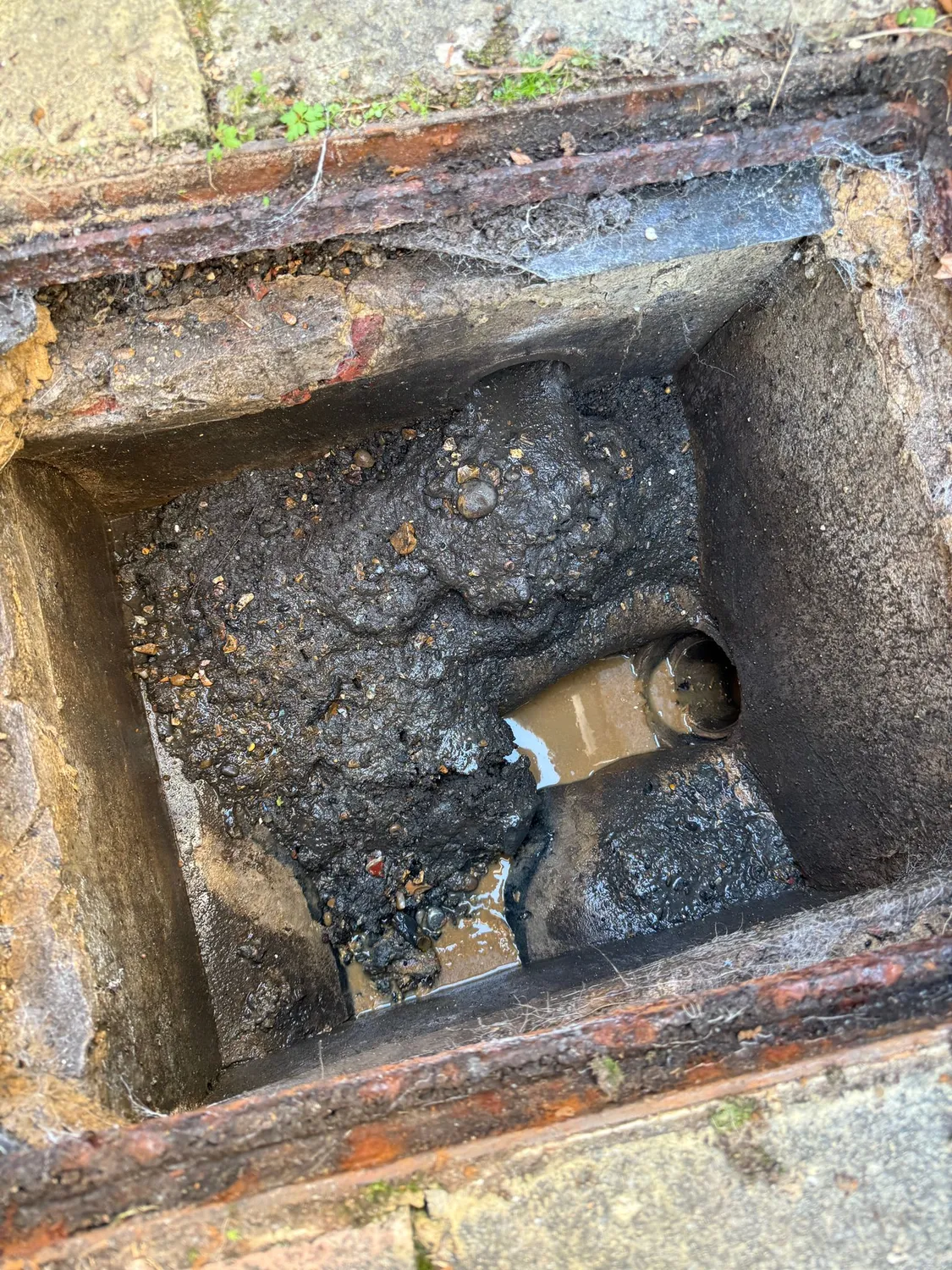
Drainage problems are not always obvious straight away. In many cases, the real issue develops quietly in the background before it becomes serious enough to cause a blockage, bad smells, or even water damage. That is why it is so important to recognise the early signs.
A hidden drainage problem does not always start with an overflowing drain or backed-up toilet. More often, it begins with small changes around the home that are easy to dismiss. Spotting those warning signs early can help homeowners deal with the issue before it becomes more disruptive and more expensive to fix.
1. Slow-draining sinks, showers, or baths
One of the earliest signs of a drainage issue is water taking longer than usual to drain away. A kitchen sink, bathroom basin, shower, or bath may still empty eventually, but if it is noticeably slower than normal, it often points to a developing blockage somewhere in the system.
This may be caused by everyday build-up such as grease, soap residue, hair, or debris, but it can also indicate a restriction further down the pipework.
2. Gurgling sounds from plugholes or pipes
Drains should not normally make much noise. If you hear gurgling from a sink, shower, or bath, it can be a sign that air is trapped in the system and is being forced back through the water in the pipes.
This usually suggests that something is affecting the normal flow of water and air, such as a partial blockage or a venting issue. Even if the drain still seems to be working, unusual noises are often an early warning that something deeper is not right.
3. Unpleasant smells coming from drains
Bad smells from inside or outside drains are another common sign of a hidden problem. If wastewater is not flowing away properly, waste and debris can begin to sit in the system for longer than they should. Over time, that can lead to unpleasant odours around sinks, showers, toilets, or external drains.
A bad smell does not always mean a full blockage is present, but it often means the drainage system is not working as efficiently as it should.
4. Water backing up in unexpected places
If water appears where it should not, it is usually a sign of a more significant drainage issue. For example, flushing the toilet may cause water to rise in the shower tray, or running the washing machine may create movement in the kitchen sink.
This happens because different fixtures in the home are connected to the same drainage system. When the normal route is restricted, water can be pushed back through the nearest outlet.
5. Outside drains overflowing after rain
An outdoor drain that overflows during or after heavy rain can point to an issue that has been hidden for some time. In some cases, the drain may already be partially blocked with silt, leaves, roots, or debris, and rainfall simply exposes the problem.
This is especially important to take seriously if water starts pooling around gullies, patios, driveways, or the base of the property.
6. Damp patches or unusually wet ground outside
Drainage issues do not always show up inside the home. If you notice consistently damp patches in the garden, wet ground that does not dry properly, or unexplained pooling near an outside drain, it could mean water is escaping from a damaged or blocked pipe underground.
This type of issue can easily go unnoticed until it gets worse, particularly if it is developing slowly over time.
7. The same drain keeps blocking again and again
A drain that repeatedly blocks is rarely just bad luck. If the same sink, toilet, shower, or outside drain keeps causing problems, there is usually an underlying reason. That might be a deeper blockage, damaged pipework, tree root intrusion, or a layout issue that is allowing waste to build up repeatedly.
Recurring problems are a strong sign that the root cause has not been fully identified.
Final thoughts
Hidden drainage problems often start with small warning signs that are easy to overlook. Slow drainage, bad smells, gurgling noises, and repeated blockages may not seem urgent on their own, but together they can point to a system that is starting to fail.
The earlier these signs are picked up, the easier it is to investigate the cause and avoid a more serious issue later. In most cases, it is far better to deal with a drainage problem while it is still manageable than wait until it turns into an emergency.