Carat weight is a measure of mass. Spread is a measure of visible diameter. Buyers often focus on round carat numbers, but millimeter measurements determine how large a diamond actually appears.
Verification prevents paying for hidden depth.
Millimeter Comparison Over Carat Label
Two diamonds can both weigh 1.00 carat and look different in size.
For round brilliants:
- Well-balanced stones typically measure around 6.3–6.5 mm
- Slightly deep stones may measure closer to 6.1 mm
- Extremely shallow stones may measure larger but sacrifice brilliance
The difference of 0.2–0.3 mm is visible in side-by-side comparison.
Spread defines face-up presence.
Depth Penalty and Hidden Weight
Excess total depth often means:
- Weight concentrated below the girdle
- Reduced visible diameter
- Slightly darker center in some cases
Depth percentage typically performs well near 60–62.5 percent for round brilliants.
Higher depth does not guarantee better cut.
Balance between diameter and optical performance matters most.
Value Alignment With Measurements
Carat weight drives price brackets.
If two stones cost similar amounts:
- Compare millimeter diameter first
- Confirm crown and pavilion harmony
- Evaluate brightness under neutral light
A diamond that measures smaller for its weight may offer reduced visible value.


Real-World Check Before Purchase
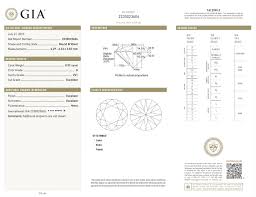
When reviewing a grading report:
- Note minimum and maximum diameter.
- Compare against typical ranges for the carat weight.
- Check total depth percentage.
- Confirm spread does not compromise brilliance.
Millimeter verification protects budget efficiency.
Long-Term Satisfaction
Over time, visible size influences satisfaction more than fractional clarity differences.
Diamonds with balanced spread:
- Appear proportionate
- Maintain strong brightness
- Deliver stable contrast
Carat weight must translate into face-up presence.
FAQ
Why is millimeter measurement important?
It determines visible size.
Can deeper diamonds look smaller?
Yes, due to hidden weight.
Is depth percentage listed on grading reports?
Yes.
Should I prioritize spread over clarity upgrades?
Often yes, for visible impact.
Can shallow cuts increase spread?
Yes, but may reduce brilliance.
Is 0.1 mm difference noticeable?
In side-by-side comparison, yes.
Does girdle thickness affect spread?
Yes, excessive thickness hides weight.
What defines good spread?
Balanced diameter with strong optical performance.