Two rings can appear identical in a display case yet perform very differently over time. The difference often lies in how the piece was made and finished. Casting is the standard method for producing most fine jewelry today. Hand-finishing is what determines whether that cast piece achieves structural precision and long-term durability.
For women investing in jewelry intended for daily wear, understanding the distinction between cast construction and true hand refinement is critical.
What “Cast” Jewelry Actually Means
Most modern fine jewelry begins with lost-wax casting. A wax model is created, encased in investment material, melted out, and replaced with molten metal. Once cooled, the rough casting is removed and cleaned.
Casting allows:
- Complex design replication.
- Efficient production.
- Consistent dimensional control.
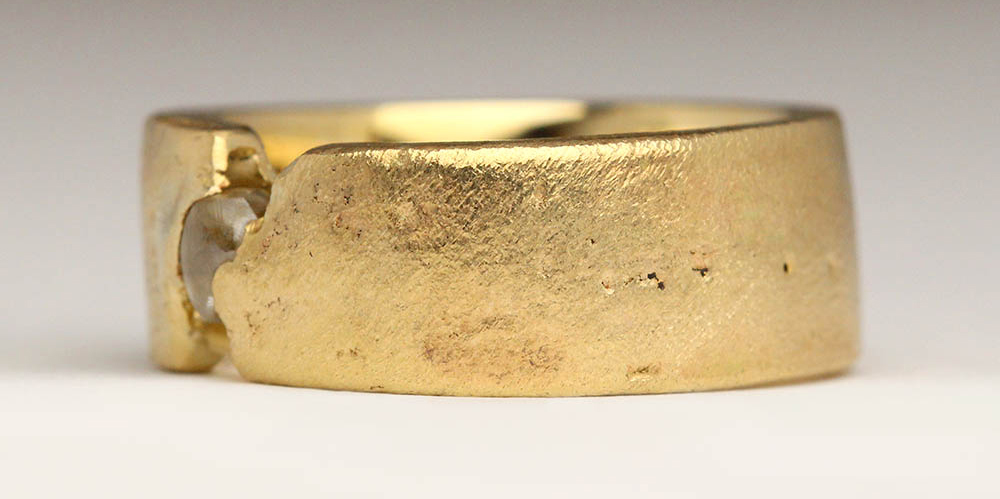
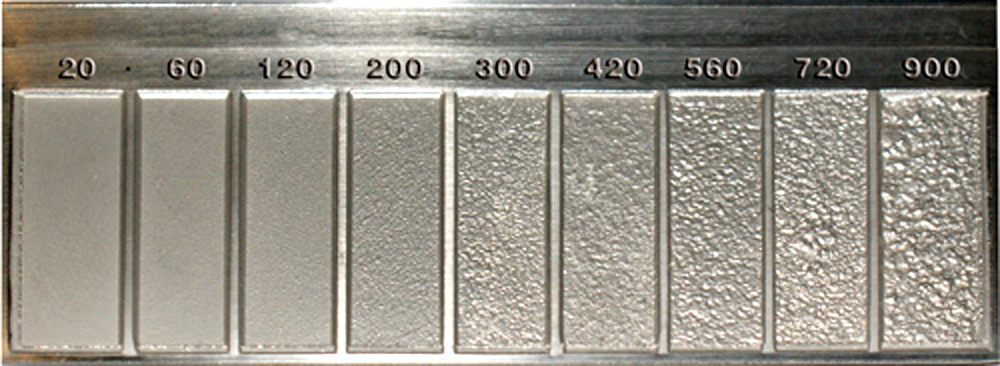
However, a raw casting is not a finished piece. It often contains microscopic porosity, uneven edges, and excess metal that must be refined.
Casting itself is not inferior. The problem arises when finishing is rushed.
The Role of Hand Finishing
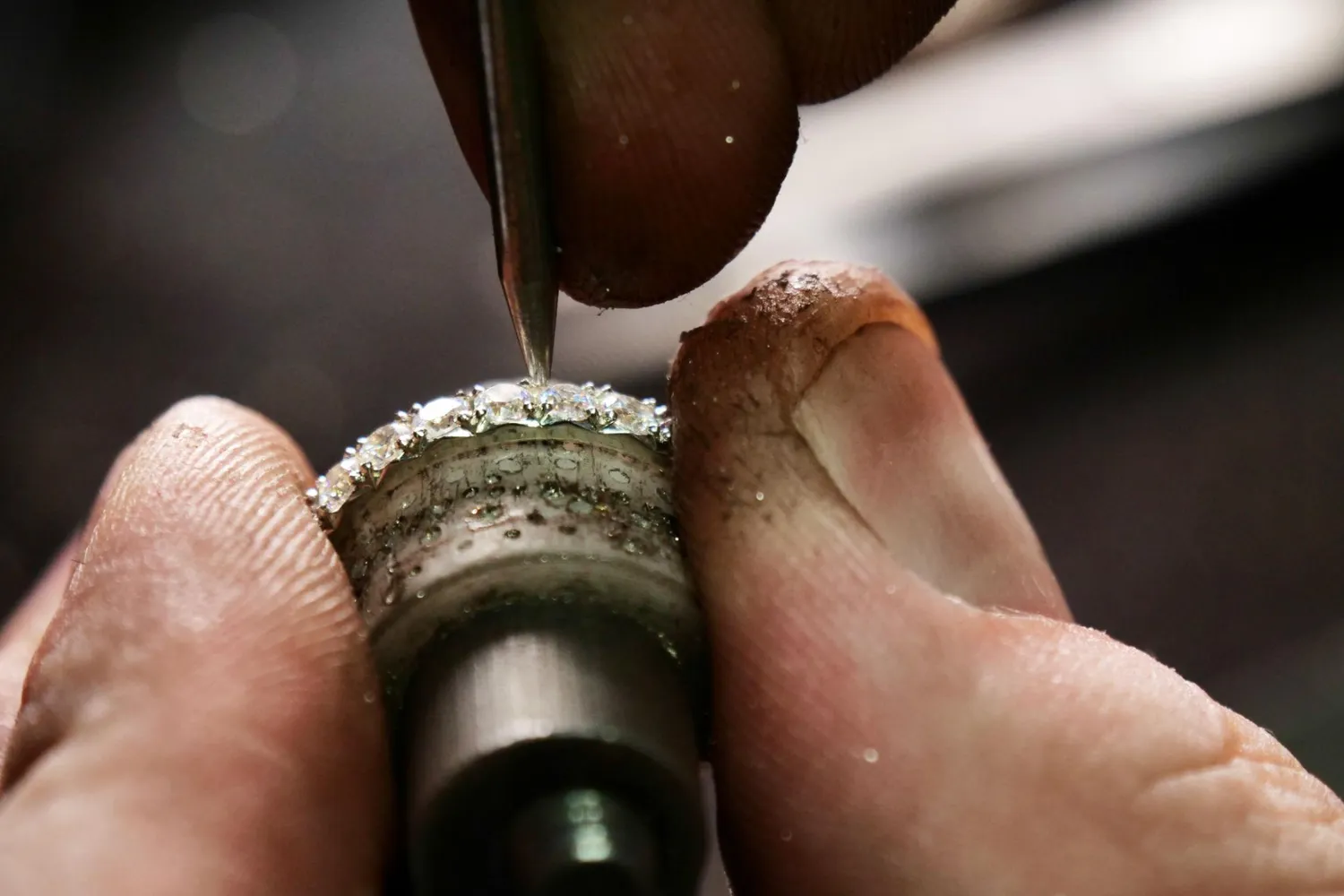
Hand finishing includes:
- Filing and smoothing edges.
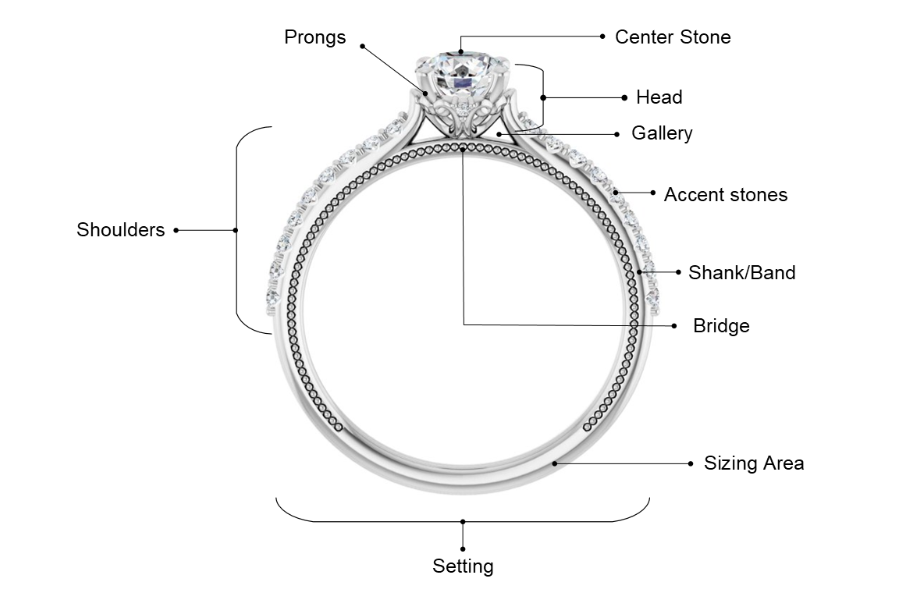
- Refining prong tips.
- Tightening stone seats.
- Polishing internal surfaces.
- Correcting minor asymmetries.
A well hand-finished ring feels smooth from every angle. Prongs are evenly shaped. Edges are softened but not thinned. The piece has visual balance.
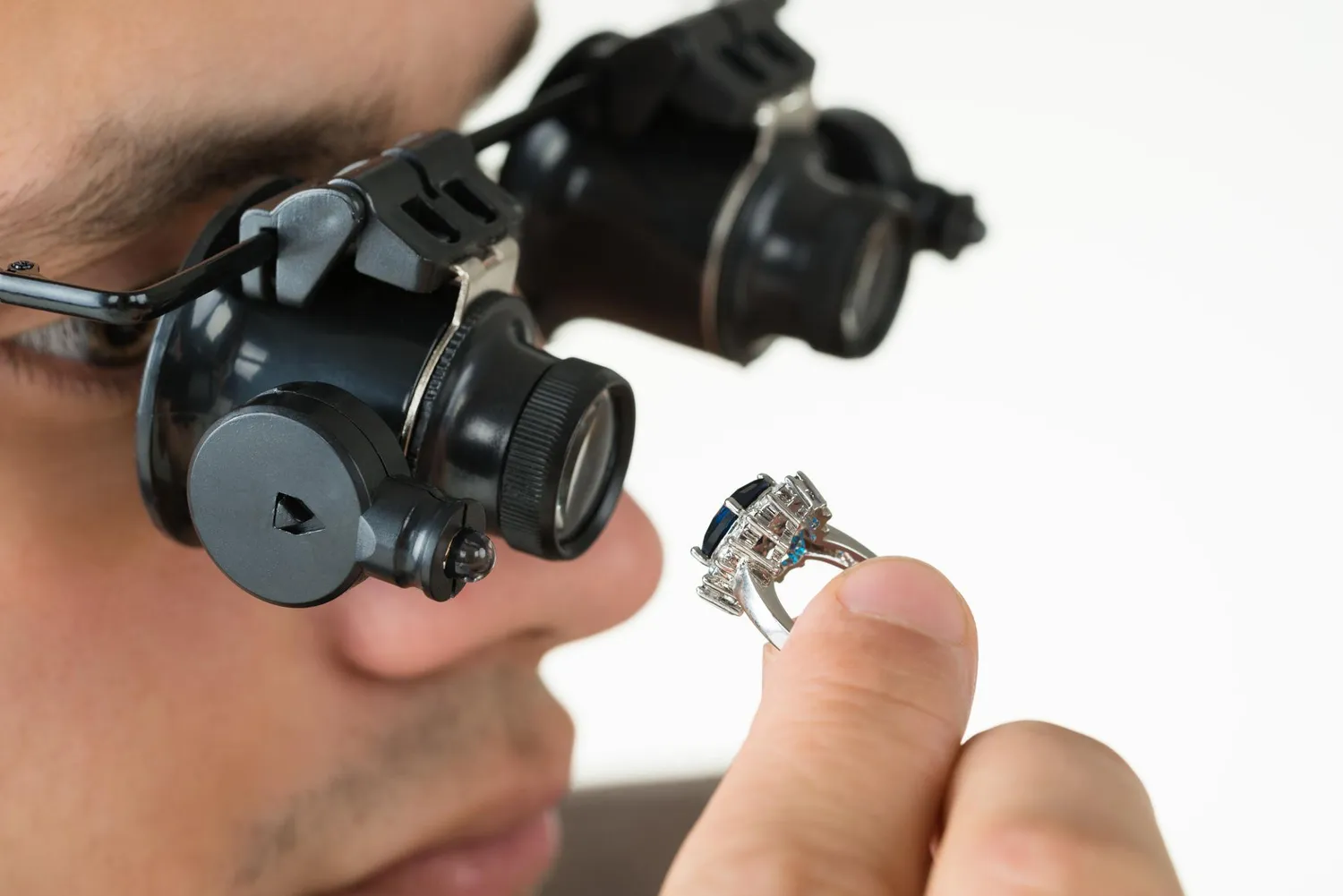
Without careful finishing, cast jewelry may look sharp or uneven under magnification. Over time, these small irregularities affect durability.
Porosity and Structural Integrity
Casting can produce microscopic air pockets within metal, known as porosity. High-quality casting minimizes this through proper temperature control and alloy preparation.
Hand finishing does not eliminate internal porosity, but it can:
- Identify weak areas.
- Reinforce prongs.
- Correct thin sections.
- Improve structural flow.
Excessive porosity may weaken prongs or shanks over time. This is rarely visible to the naked eye but can affect longevity.
Precision in Stone Setting
Even with accurate casting, stone seats often require hand adjustment.
A precisely set diamond should:
- Sit level.
- Have evenly spaced prongs.
- Show no visible gaps beneath the girdle.
- Feel secure under light pressure.
Mass production shortcuts sometimes skip detailed prong refinement. Over time, uneven prongs wear at different rates.
Hand-set stones generally exhibit better long-term alignment and reduced loosening risk.
Weight and Metal Distribution
Hand finishing allows a jeweler to control metal thickness strategically.
Critical areas include:
- The base of the shank.
- The shoulder transition to the head.
- The gallery beneath the center stone.
- Clasp hinges in bracelets.
Poorly finished cast pieces may leave excess metal in non-critical areas while thinning essential support zones.
How to Evaluate Finish Quality
Without specialized tools, look for:
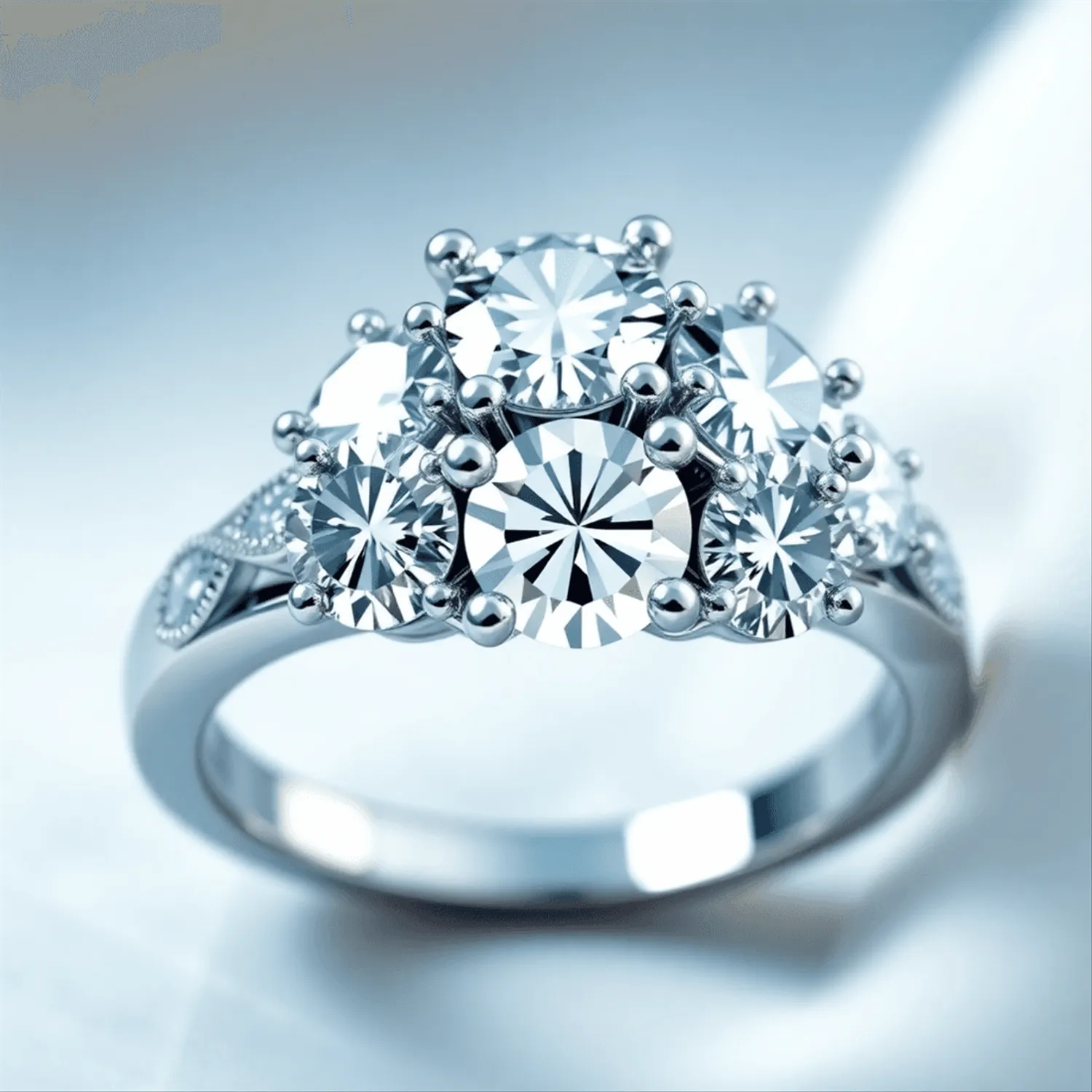
- Symmetrical prongs.
- Smooth interior surfaces.
- No sharp edges along the band.
- Even polish without cloudy patches.
- Consistent metal thickness around the shank.
A refined finish feels intentional. Rough finishing feels hurried.
Long-Term Wear Implications
Well hand-finished jewelry:
- Wears evenly.
- Maintains prong stability.
- Requires fewer repairs.
- Retains shape under daily stress.
Poorly finished cast jewelry may:
- Develop uneven wear points.
- Lose stones sooner.
- Show premature thinning.
- Feel less comfortable over time.
The difference may not be visible immediately, but becomes evident after years of use.
Is Fully Hand-Fabricated Jewelry Better?
Hand fabrication involves constructing a piece entirely from metal stock rather than casting. It can produce excellent structural integrity but also depends on the jeweler’s skill.
Cast jewelry with high-level hand finishing can perform just as well for daily wear.
The key variable is not the method alone. It is the precision applied during refinement.
FAQ
Is cast jewelry low quality?
No. Most fine jewelry is cast. Quality depends on finishing and craftsmanship.
What is porosity in jewelry?
Microscopic air pockets formed during casting that can affect strength.
How can I tell if a ring is well finished?
Look for smooth interiors, symmetrical prongs, and even polish.
Does hand finishing affect durability?
Yes. Proper refinement improves structural integrity and comfort.
Is hand-fabricated jewelry stronger?
It can be, but high-quality cast pieces with strong finishing can perform equally well.
Why do some rings feel sharper than others?
Edges may not have been properly smoothed during finishing.
Does polishing remove metal?
Yes. Excessively thin areas may weaken over time with repeated polishing.