Diamond inclusions are natural characteristics formed during crystal growth. They are not automatically flaws. The key question is whether they affect beauty, durability, or value.
At Carat Culture, we evaluate inclusions based on visibility and placement, not fear. Many inclusions are harmless. Some deserve caution. Knowing the difference protects your decision.
Common Inclusion Types
Not all inclusions are equal.
Feathers
Small internal fractures. When minor and positioned safely, they are often harmless.
Crystals
Tiny mineral deposits trapped inside the diamond. These may appear as small dots under magnification.
Clouds
Clusters of microscopic inclusions. When dense, they can reduce transparency.
Needles or Pinpoints
Fine internal lines or tiny spots, usually visible only under magnification.
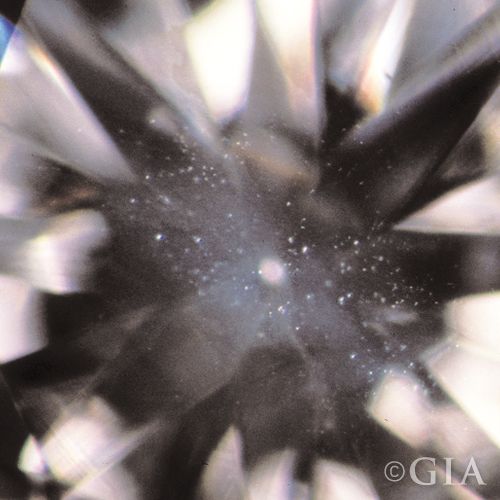
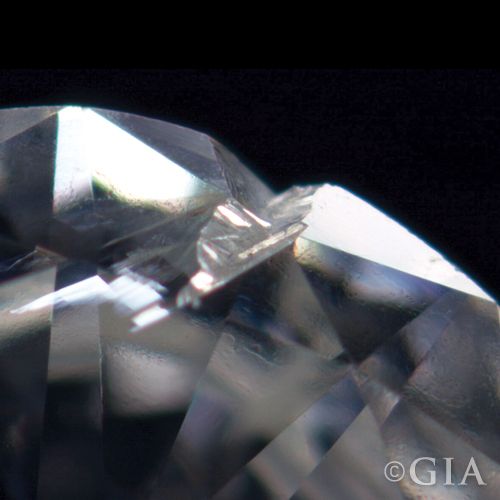
Type alone does not determine impact. Location matters more.
Location Determines Visibility
An inclusion directly under the table (center top facet) is more visible than one near the edge.
Consider:
- Center vs edge placement
- Surface-reaching fractures
- Depth within the stone
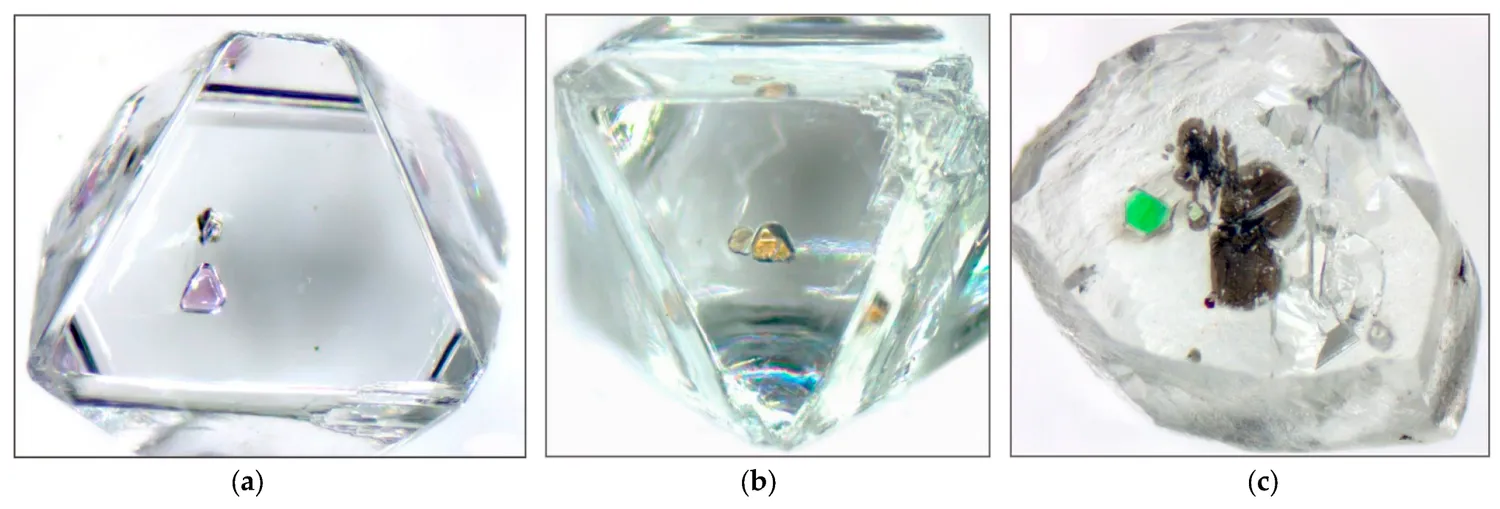
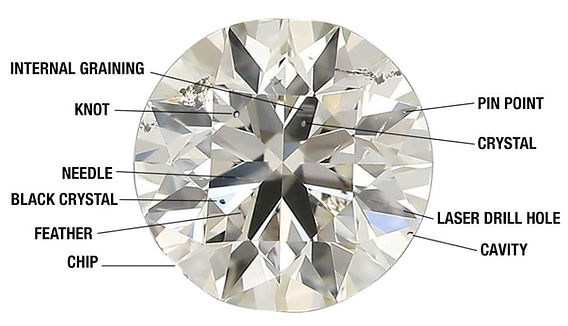
Inclusions near the girdle may hide under prongs. Central inclusions are harder to conceal.
The Eye-Clean Concept
“Eye-clean” means the inclusion is not visible to the naked eye at normal viewing distance.
This threshold often allows buyers to:
- Save budget
- Choose slightly lower clarity grades
- Reallocate funds to better cut quality
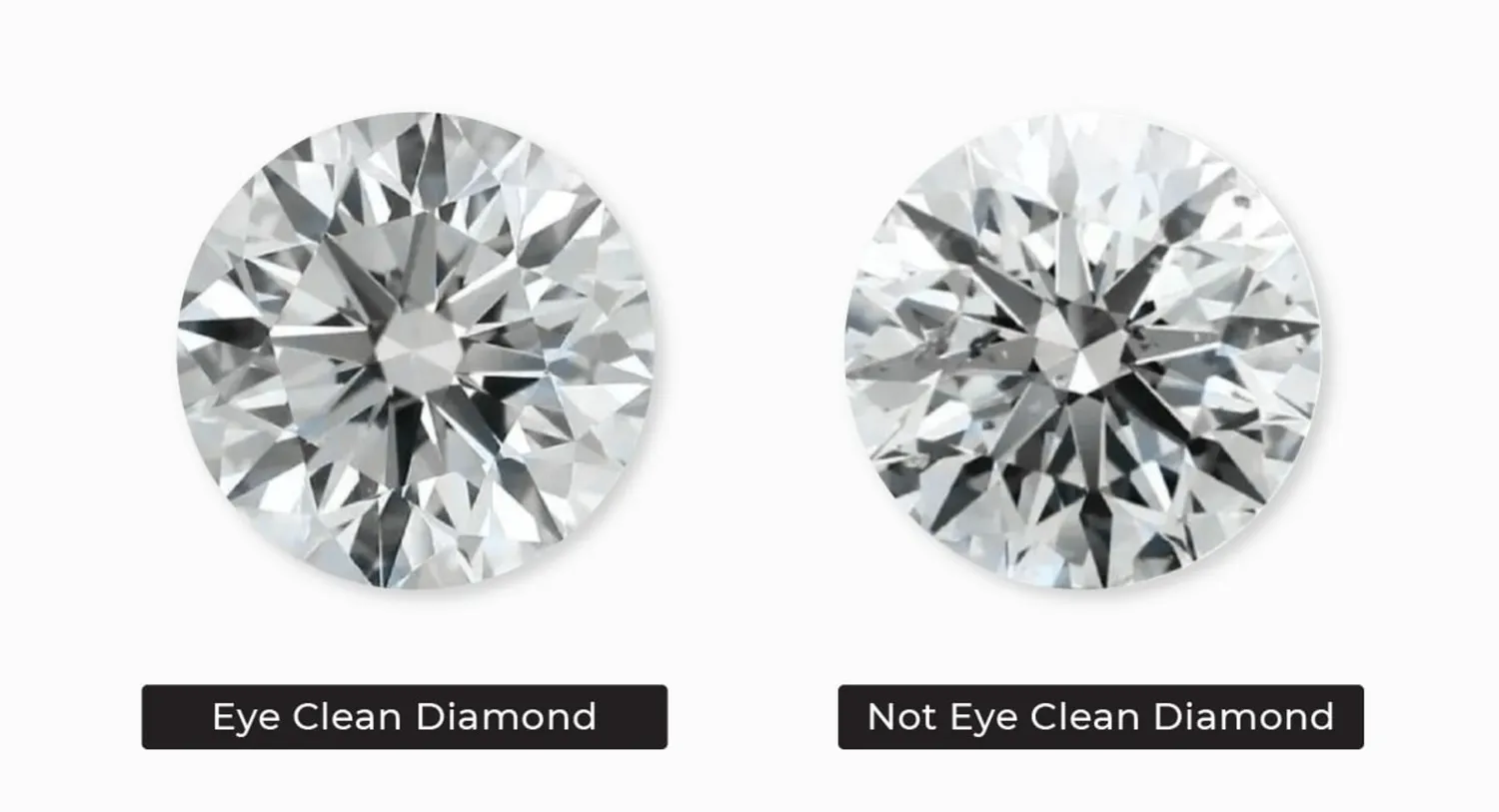
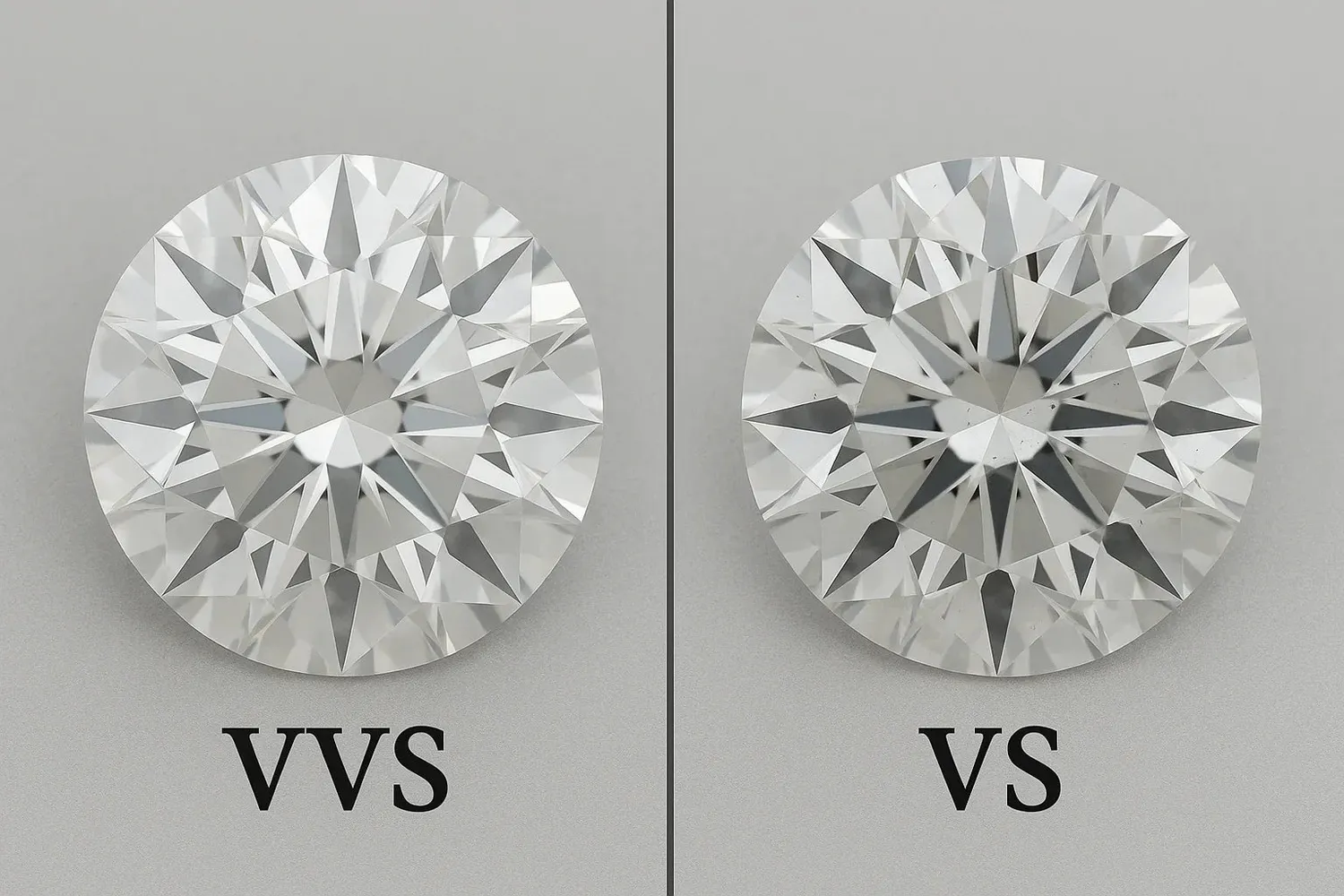
If you cannot see it without magnification, it may not affect daily appearance.
When to Avoid Certain Inclusions
Be cautious if:
- A feather reaches the surface in a high-stress area
- Clouds create noticeable haziness
- Inclusions significantly reduce transparency
Structural risk is more important than minor cosmetic marks.
Cut precision can sometimes mask minor inclusions.
Clarity vs Performance
High clarity does not automatically equal superior beauty.
A well-cut diamond with minor inclusions may appear brighter than a flawless diamond with poor proportions.
Clarity should support performance, not overshadow it.
Common Mistakes
- Paying premium for flawless clarity unnecessarily
- Ignoring inclusion placement
- Assuming all feathers are dangerous
- Overlooking transparency issues
Balanced evaluation prevents overspending.
FAQs
Are inclusions always visible?
Most are visible only under magnification.
Is flawless clarity necessary?
Rarely for everyday wear.
Can inclusions affect durability?
Only if positioned poorly or surface-reaching.
Does clarity impact sparkle?
Severe inclusions may reduce transparency, but cut plays a larger role.
What clarity range is often practical?
Eye-clean clarity is typically sufficient for visual appeal.
Final Thought
Inclusions are natural features, not automatic defects.
Evaluate type, placement, and visibility. Prioritize eye-clean performance and structural safety over perfection labels.
Clarity matters.
But proportion and cut define beauty.