Trends come and go, but engagement rings are different. This is one piece of jewelry most people expect to wear for decades, not just a season. That’s why timeless engagement ring styles continue to matter. They don’t chase attention. They age well, feel relevant year after year, and work with changing personal style.
This guide breaks down the classic engagement ring styles that have stood the test of time, why they remain popular, how setting and metal choices affect longevity, and what to consider if you want a ring you’ll still love long after the proposal excitement fades.
Classic Engagement Ring Styles
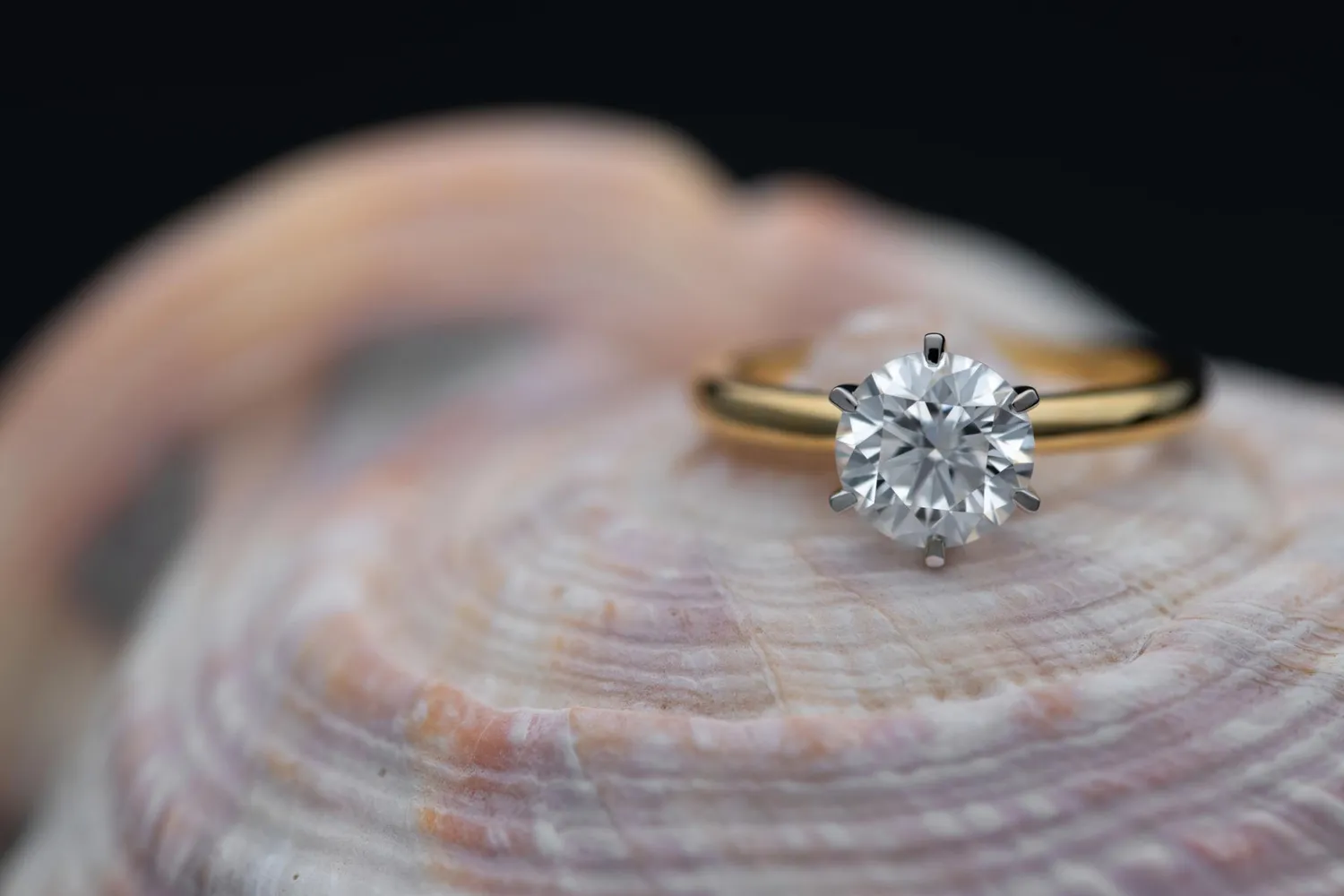
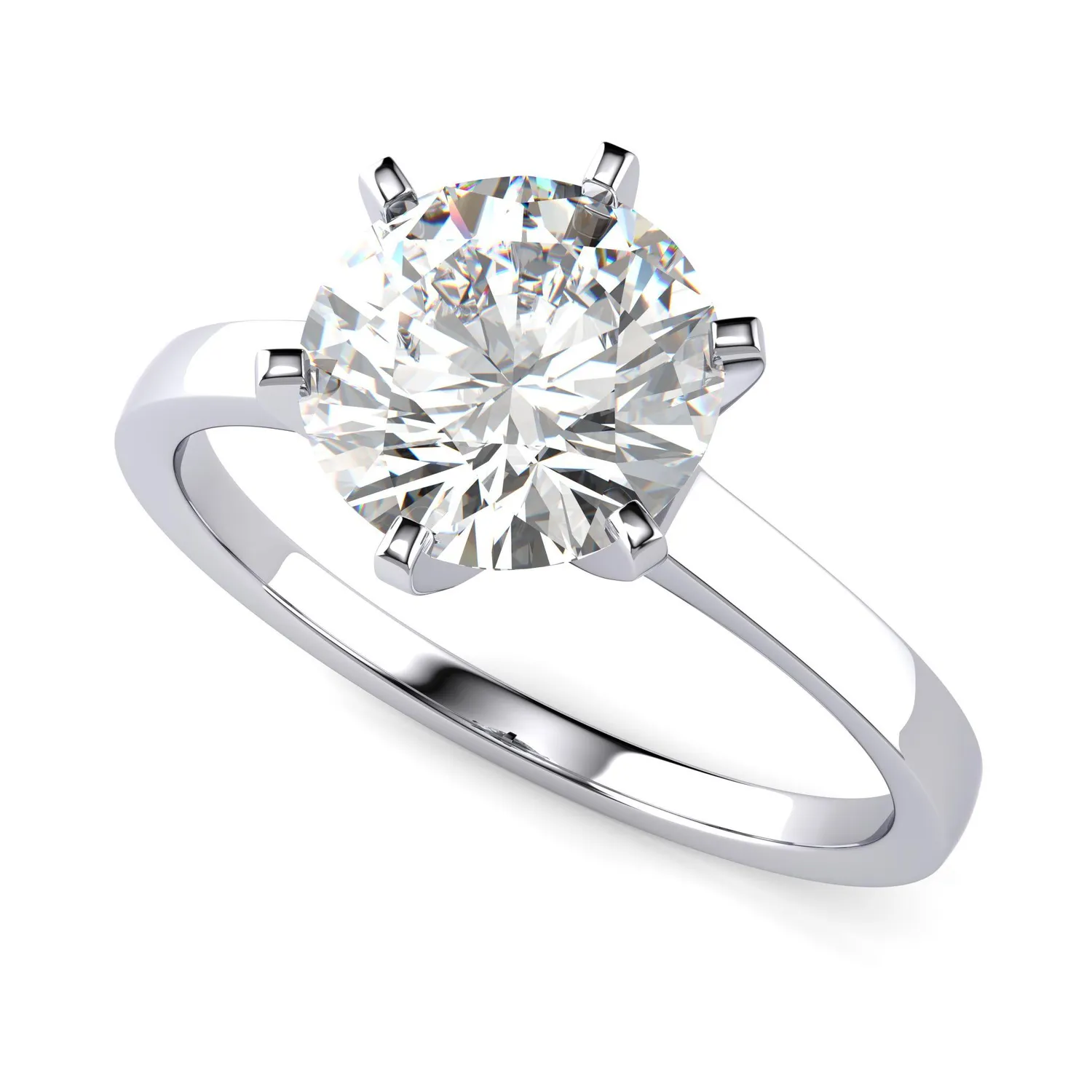
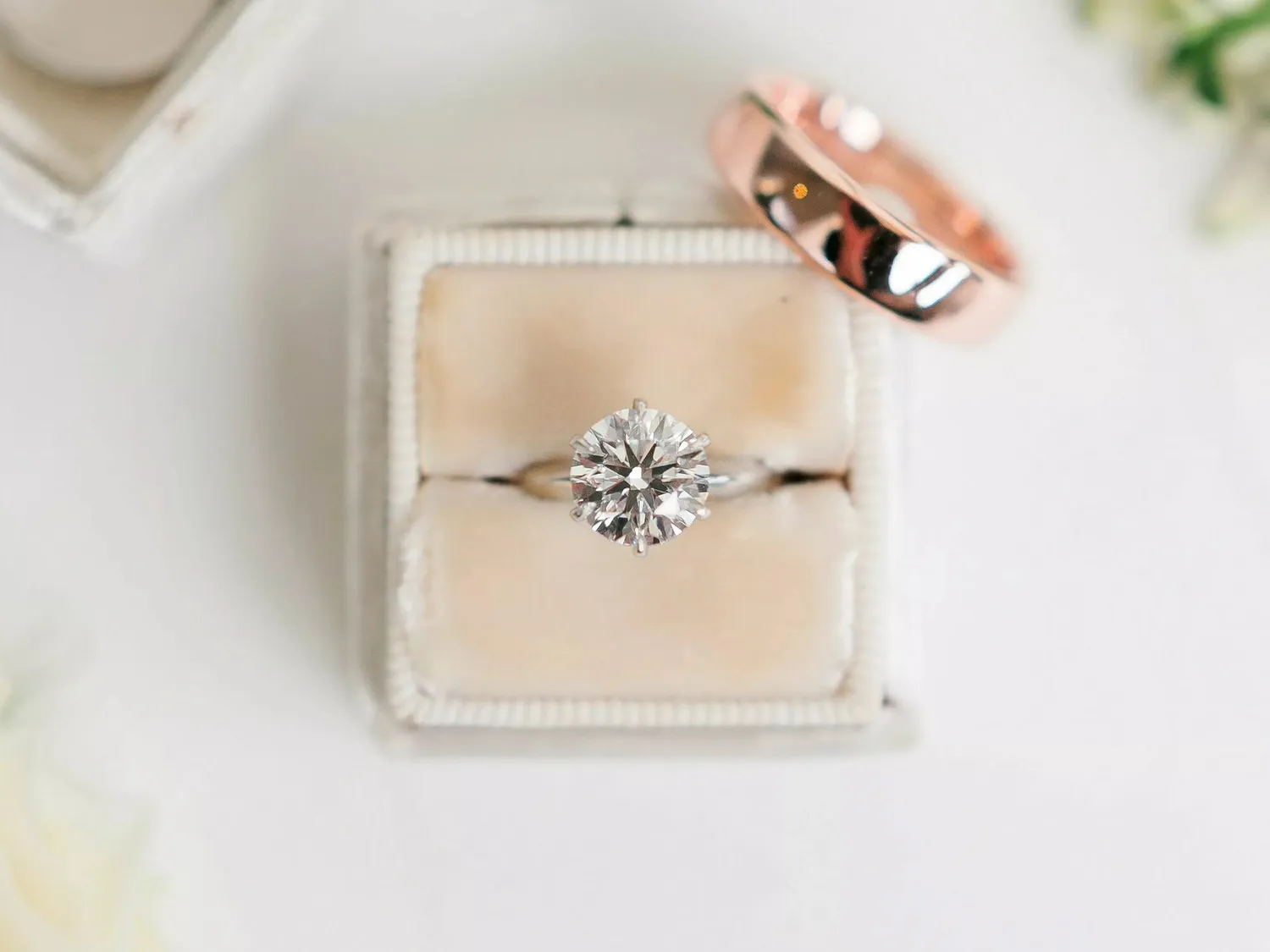
Some engagement ring designs have stayed popular for generations for one simple reason: they work.
Solitaire Rings
The solitaire is the most iconic engagement ring style. One center diamond, minimal distraction.
Why it works:
- Focuses entirely on the diamond
- Pairs with any wedding band
- Works with every diamond shape
- Never feels dated
Solitaire rings adapt easily over time. Whether your style becomes more minimal or more expressive, the solitaire remains relevant.
Three-Stone Rings
Three-stone rings symbolize past, present, and future, but their appeal goes beyond meaning.
Why they work:
- Balanced and elegant
- Add presence without feeling flashy
- Offer design flexibility with side stones
When designed simply, three-stone rings remain classic rather than trendy.
Cathedral Settings
Cathedral settings lift the center stone using graceful arches in the band.
Why they work:
- Add elegance without excess
- Offer extra support for the diamond
- Create a refined profile from every angle
This style adds presence while staying traditional.
Why These Styles Remain Timeless
Timeless engagement rings share common traits: balance, simplicity, and versatility.
They avoid:
- Overly intricate details
- Trend-driven shapes or accents
- Design elements tied to a specific era
Instead, they focus on proportion and craftsmanship. A well-made classic ring looks appropriate in any decade because it doesn’t rely on novelty.
Another reason these styles last is emotional. Engagement rings often become heirlooms. Simpler designs are easier to pass down, resize, or reset without losing their identity.
Timeless doesn’t mean boring. It means adaptable.
Setting Choices That Stand the Test of Time
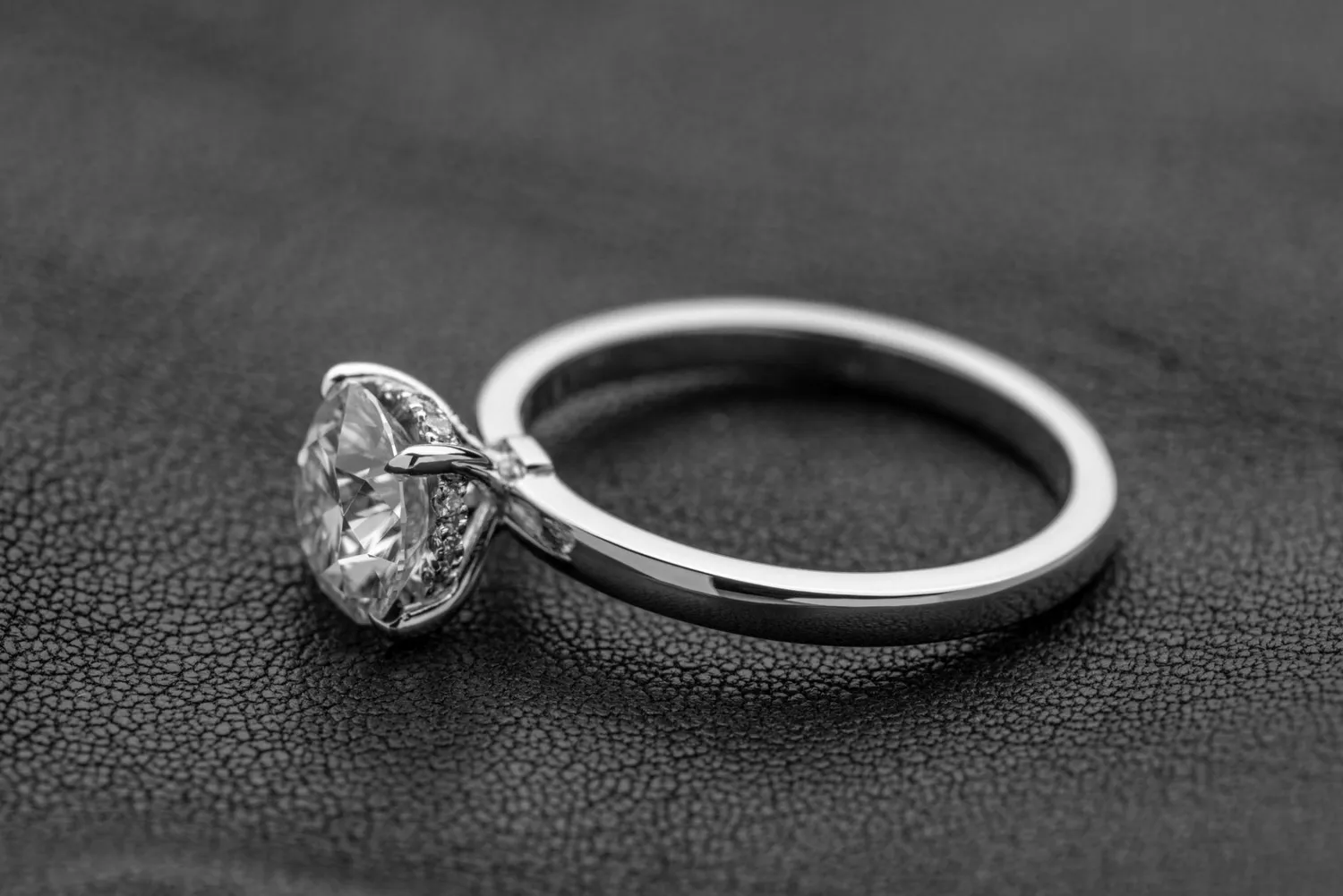
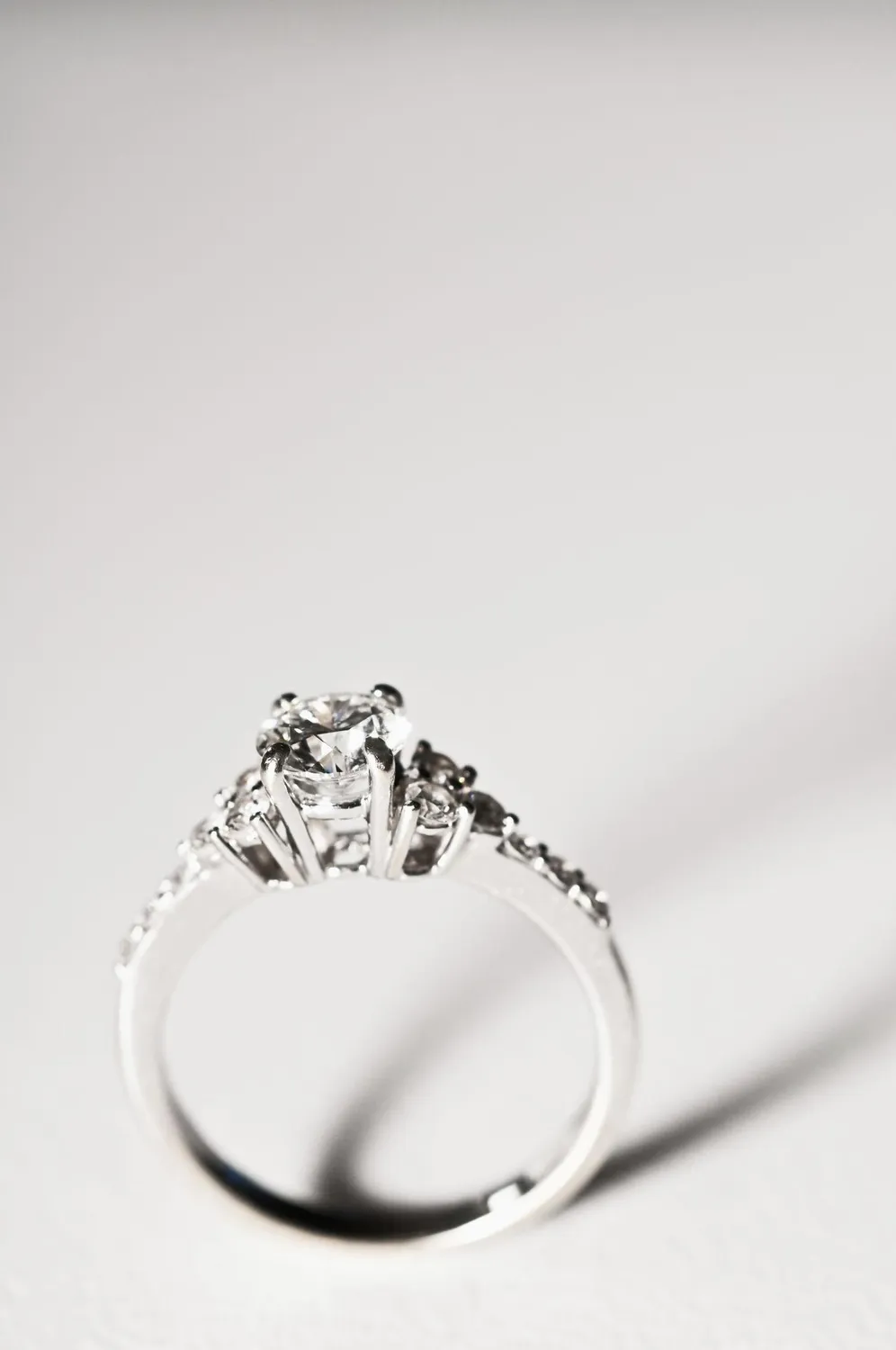
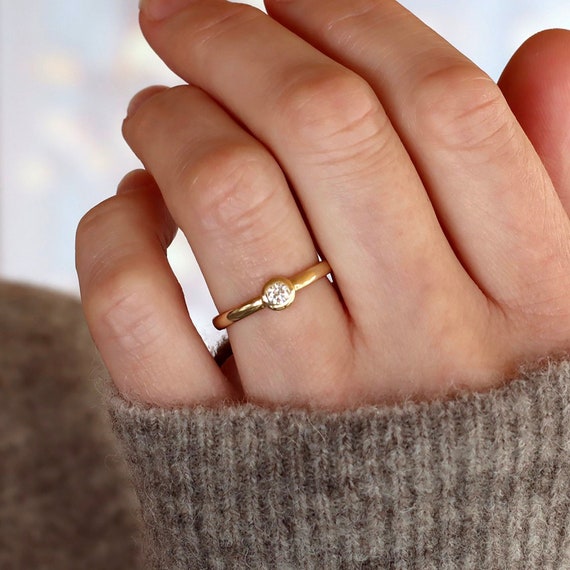
The setting determines how the ring wears over time.
Prong Settings
Prong settings remain the most popular choice for a reason.
Advantages:
- Maximum light and sparkle
- Easy to maintain and repair
- Universally flattering
Four or six prongs both work well. Six prongs add security, while four offer a slightly cleaner look.
Low-Profile Settings
Low-profile rings sit closer to the finger.
Why they’re timeless:
- Comfortable for daily wear
- Less likely to snag
- Practical without sacrificing elegance
These settings age well because they fit modern lifestyles just as well as traditional ones.
Avoid Overly Delicate Structures
Ultra-thin bands and intricate micro-details may look appealing initially, but they can wear down over time. Timeless rings prioritize durability alongside beauty.
Metal Choices for Long-Term Wearability
Metal choice affects both appearance and how the ring ages.
Yellow Gold
Yellow gold has been used for centuries.
Why it lasts:
- Warm, classic appearance
- Hides wear better than white metals
- Ages gracefully
It pairs beautifully with a wide range of diamond colors.
White Gold
White gold offers a clean, modern look.
Considerations:
- Requires occasional rhodium plating
- Shows scratches more easily than yellow gold
- Remains popular due to its versatility
When maintained properly, white gold holds its appeal well.
Platinum
Platinum is dense and durable.
Why people choose it:
- Naturally white metal
- Develops a soft patina instead of wearing away
- Excellent for long-term daily wear
It’s heavier and more expensive, but extremely long-lasting.
Long-Term Wearability and Practical Considerations
A timeless engagement ring should fit into your life comfortably.
Ask yourself:
- Will this ring feel comfortable every day?
- Is the setting secure enough for long-term wear?
- Can it be resized or repaired easily?
- Will it still suit my style in ten or twenty years?
Rings designed with longevity in mind often look better over time. Small design choices, like band thickness and setting height, make a big difference years down the line.
Common Mistakes to Avoid
Many people confuse “timeless” with “plain” or assume trends are harmless.
Common mistakes include:
- Choosing ultra-trendy details that age quickly
- Prioritizing design over comfort
- Ignoring durability for aesthetics
- Selecting metals without considering maintenance
A ring worn every day needs to be both beautiful and practical.
FAQs
Are halo engagement rings timeless?
Simple halos can be timeless, but overly detailed halos may feel dated over time.
Is yellow gold considered old-fashioned?
No. Yellow gold is classic and has seen renewed popularity across generations.
What setting lasts the longest?
Well-made prong and low-profile settings offer excellent longevity.
Can timeless rings still feel personal?
Yes. Diamond shape, metal choice, and proportions make a classic ring unique.
Final Thought
A timeless engagement ring isn’t about playing it safe. It’s about choosing a design that fits your life, your style, and your future. When craftsmanship, comfort, and simplicity come together, the ring doesn’t just last — it becomes part of your story.