Sparkle is not uniform brightness. It is the balance between light and dark. Without contrast, a diamond appears flat, watery, or lifeless. Poor contrast often goes unnoticed under intense showroom lighting but becomes obvious in everyday conditions.
Contrast defines character.
Understanding the Dark Center Effect
A common issue in poorly proportioned diamonds is a persistent dark center.
This may result from:
- Steep pavilion angles
- Excessive depth percentage
- Imbalanced crown-to-pavilion relationship
The center appears shadowed even when the stone is stationary.
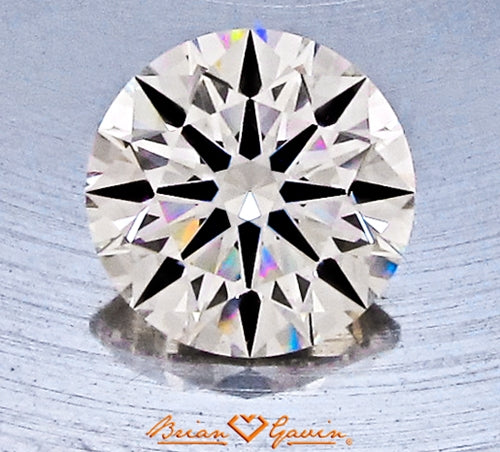
Healthy contrast should show:
- Evenly distributed dark and bright areas
- Symmetrical pattern
- Light returning across the table
Darkness concentrated in one area signals imbalance.
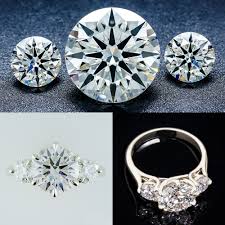
Uneven Brightness
Poor contrast can also appear as:
- Large pale patches under the table
- Areas lacking defined facet pattern
- Inconsistent flashing during rotation
Uniform brightness without defined contrast reduces depth perception.
Diamonds should display organized light-dark interplay, not flat illumination.
Contrast adds dimension.
Light Leakage Clues
Light leakage occurs when light exits through the pavilion rather than returning to the eye.
Indicators include:
- Transparent or washed-out zones
- Weak brilliance in diffused lighting
- Reduced sparkle when stationary
Leakage often accompanies shallow pavilion angles or extreme depth imbalance.
Numbers guide suspicion. Visual confirmation determines certainty.
Comparison Strategy
To detect poor contrast:
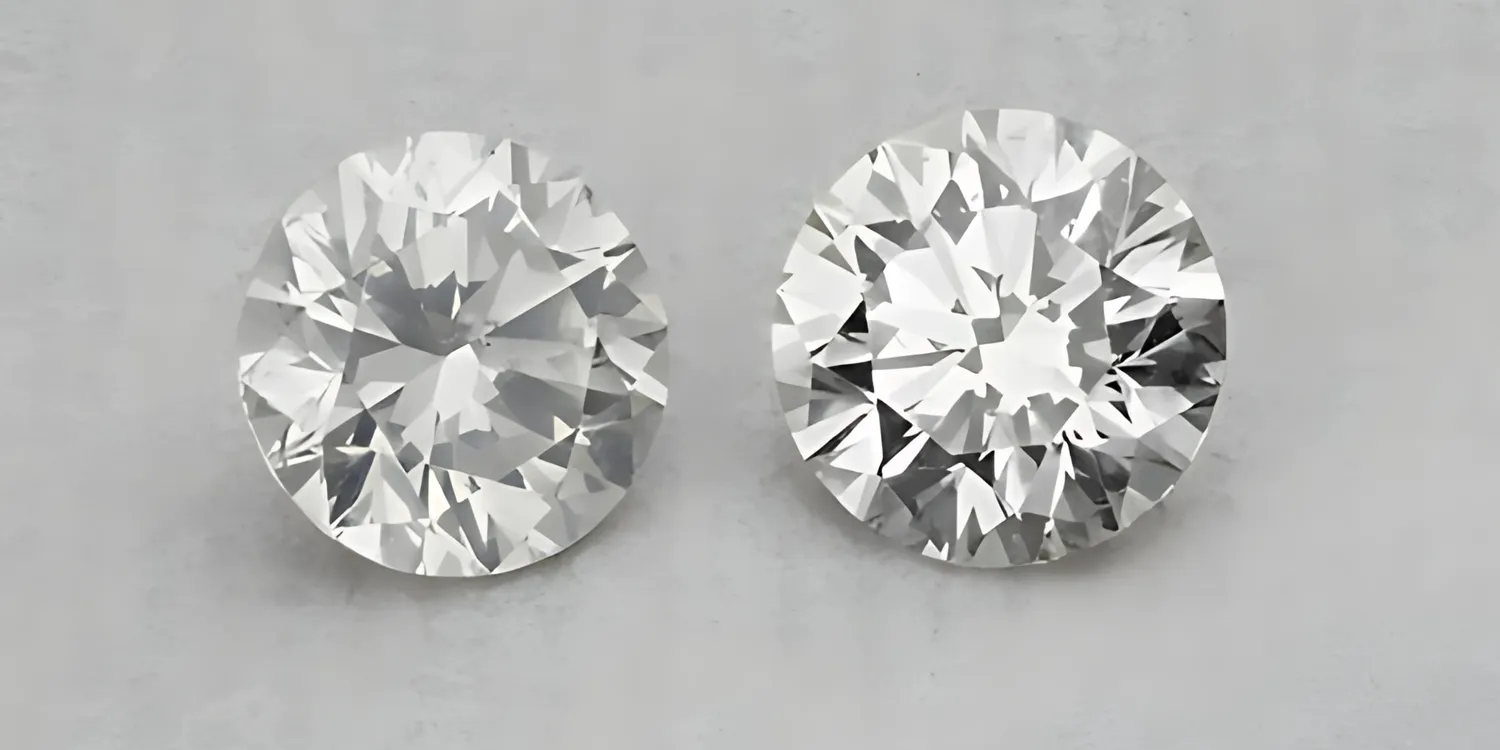
- Compare two diamonds side by side in diffused daylight.
- Observe from normal viewing distance.
- Rotate slowly and note flash distribution.
- Check whether one maintains balanced pattern more consistently.
Side-by-side viewing makes imbalance obvious.
Isolated evaluation hides flaws.
Office Lighting Test
Under fluorescent or neutral lighting:
- Balanced diamonds retain defined contrast.
- Poorly proportioned stones may look dull or shadowed.
If sparkle disappears in diffused conditions, contrast is likely weak.
Real-world lighting exposes structural truth.
Long-Term Satisfaction
Poor contrast becomes more noticeable over time.
A well-balanced diamond:
- Maintains brightness when stationary
- Flashes evenly during movement
- Displays symmetrical light mapping
Performance sustains emotional confidence.
Frequently Asked Questions
Is a dark center always bad?
Persistent central darkness often indicates proportion imbalance.
Should a diamond look evenly bright everywhere?
No. Balanced contrast requires light and dark areas.
Can light leakage be seen without tools?
Often yes, especially in natural daylight.
Does table size affect contrast?
Large tables may reduce contrast if not balanced with crown height.
Is contrast visible in photos?
Partially, but movement reveals more.
Can Excellent cut diamonds still show poor contrast?
Yes, depending on proportion relationships.
Does contrast affect resale?
Balanced appearance generally improves desirability.
How do I avoid poor contrast?
Compare diamonds directly and evaluate in neutral lighting.