A diamond does not lose its inherent brilliance. What changes is how light interacts with its surface and surrounding structure. When a ring appears dull after months or years of wear, the cause is almost always environmental buildup, metal wear, or structural misalignment rather than degradation of the stone itself.
Understanding the reasons behind reduced sparkle helps restore performance without unnecessary replacement.
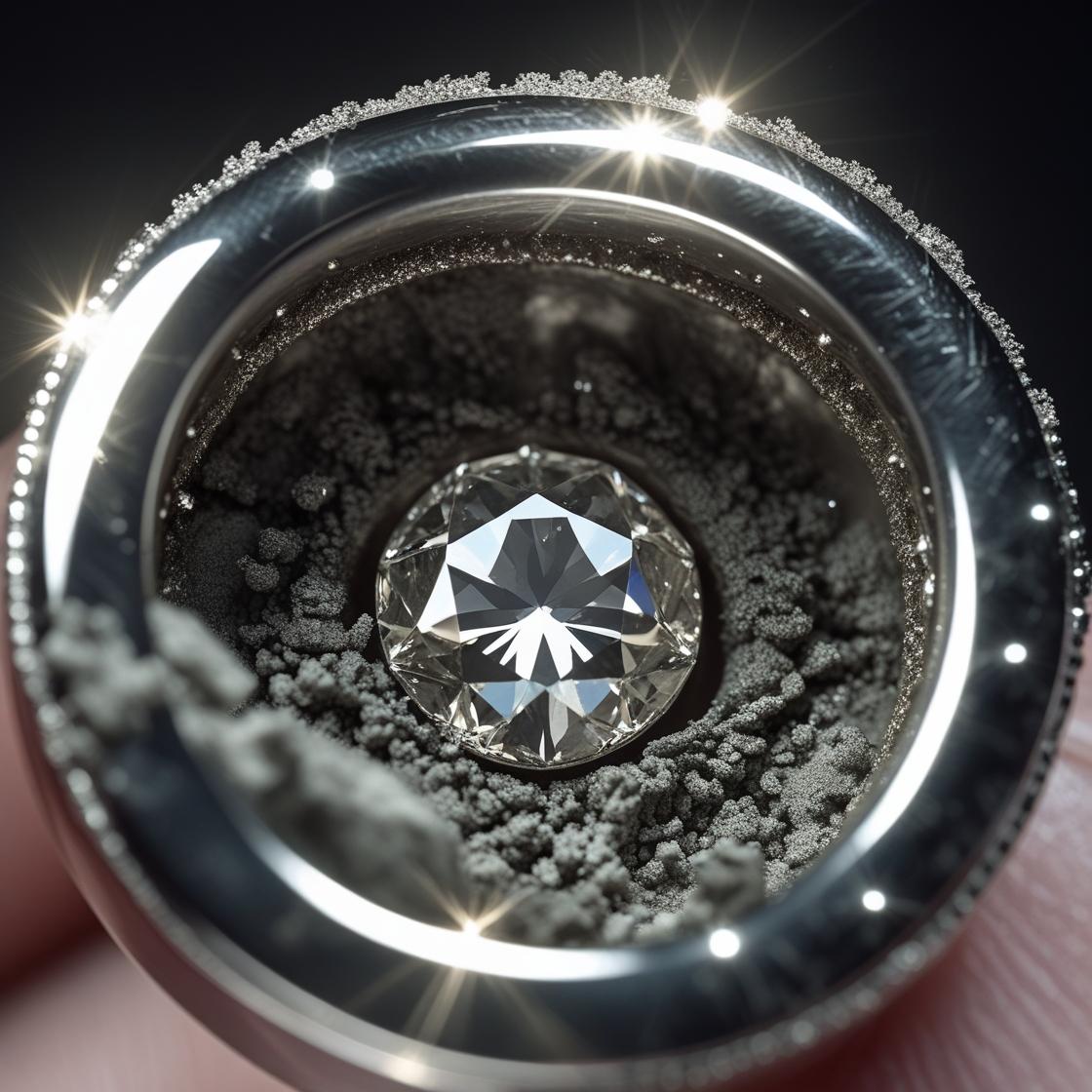
Surface Buildup Blocks Light
Diamonds rely on light entering and exiting through precise facet angles. Everyday substances accumulate in areas that are difficult to see.
Common contributors:
- Lotion residue.
- Soap film.
- Hand sanitizer deposits.
- Skin oils.
- Dust and cosmetic particles.
These substances collect under the pavilion and around prongs. Even a thin film reduces light return dramatically.
Because brilliance depends on internal reflection, any obstruction at entry points weakens sparkle.
Micro-Scratches on Facets
Over long periods, minor abrasions can develop on facet junctions. While diamonds are highly resistant to scratching, they are not immune to contact with other diamonds or abrasive materials.
Micro-abrasions:
- Soften crisp facet edges.
- Reduce contrast.
- Diminish sharp light return.
This is more noticeable in older stones or rings worn continuously for decades.
Prong Misalignment
If prongs shift slightly due to impact:
- The stone may tilt microscopically.
- Light angles change.
- Brilliance appears uneven.
Even minimal misalignment affects how light exits the crown.
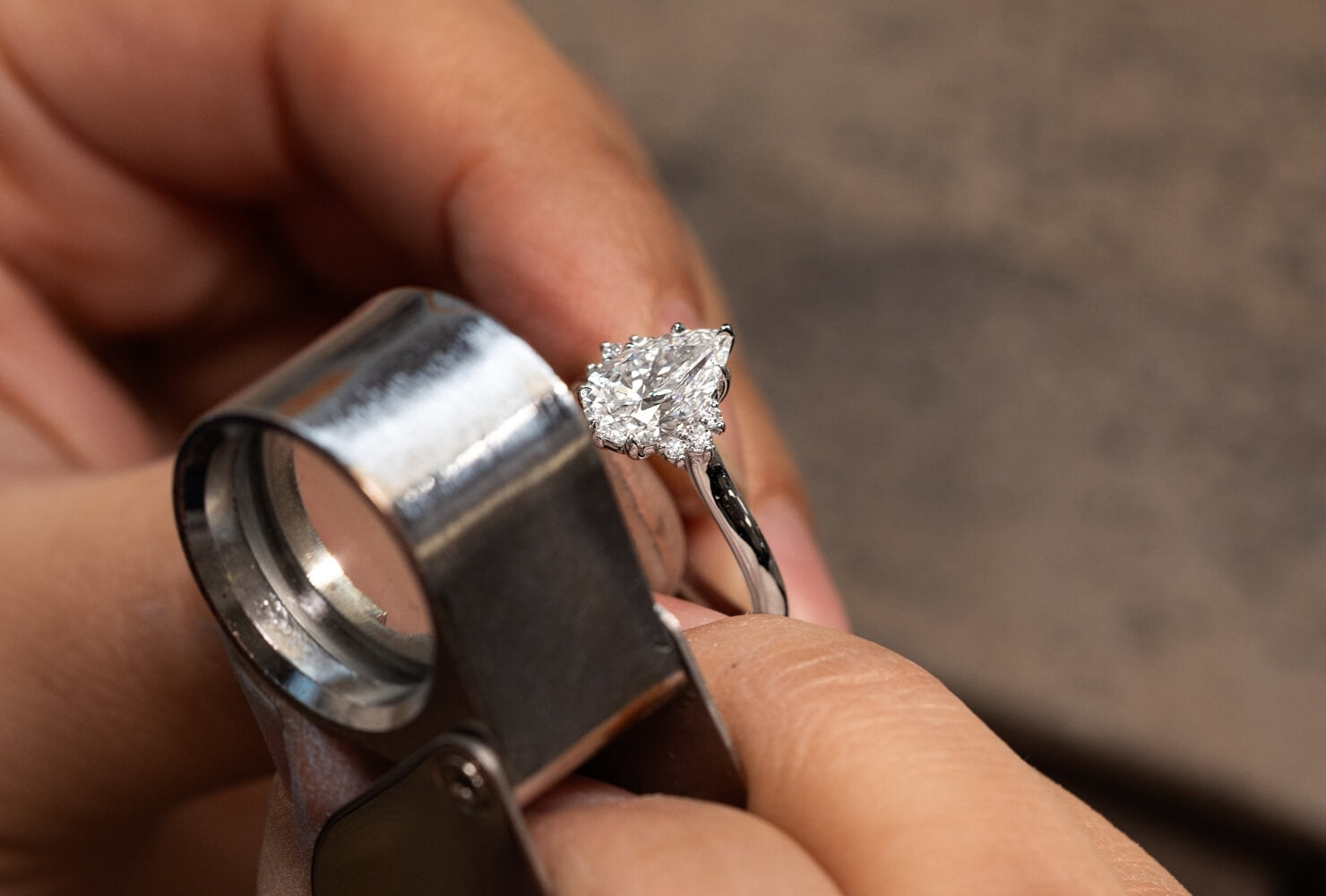
Routine inspection ensures the diamond remains level within the setting.
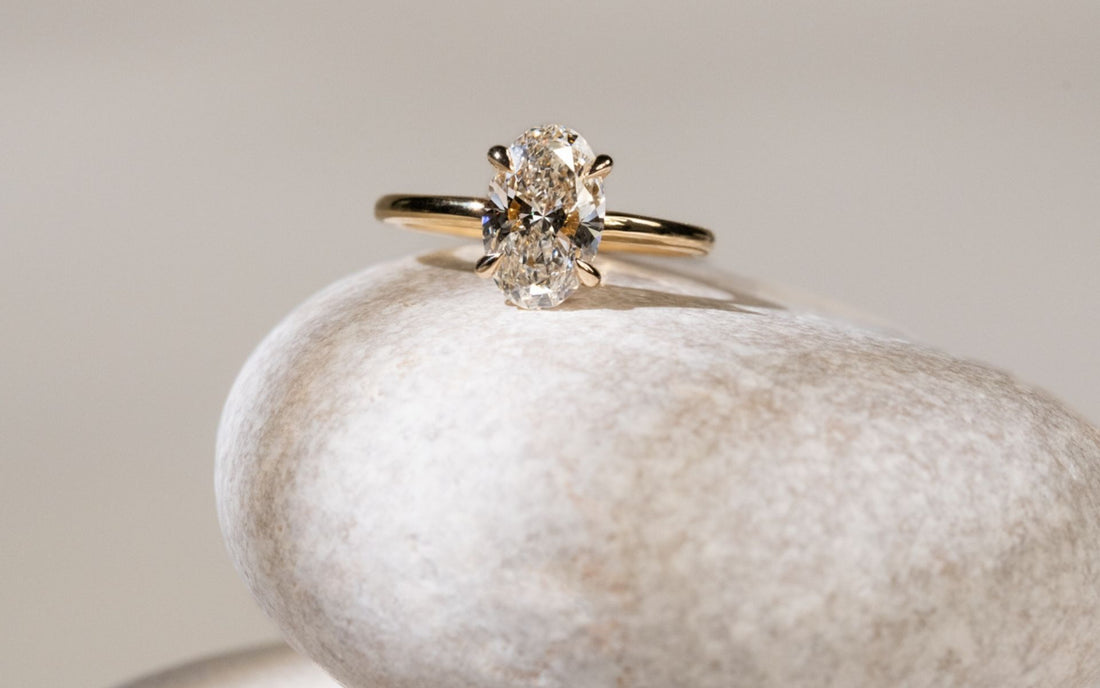
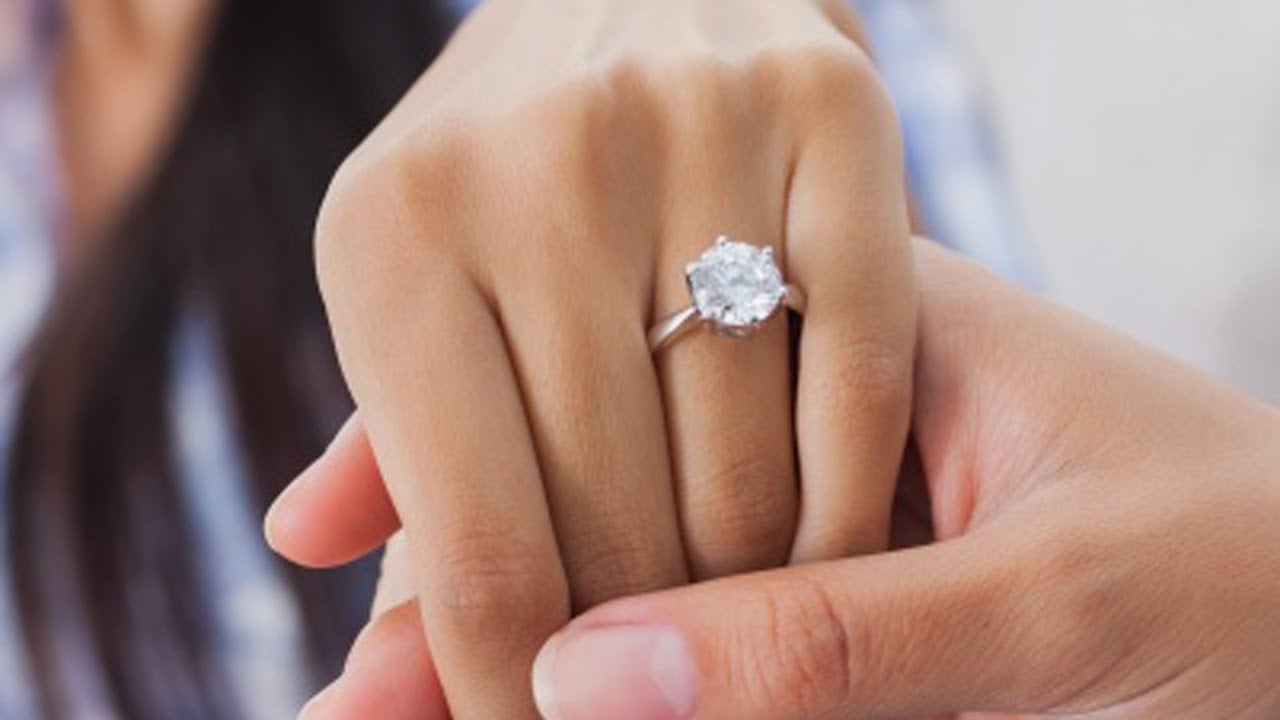
Metal Wear and Reflection
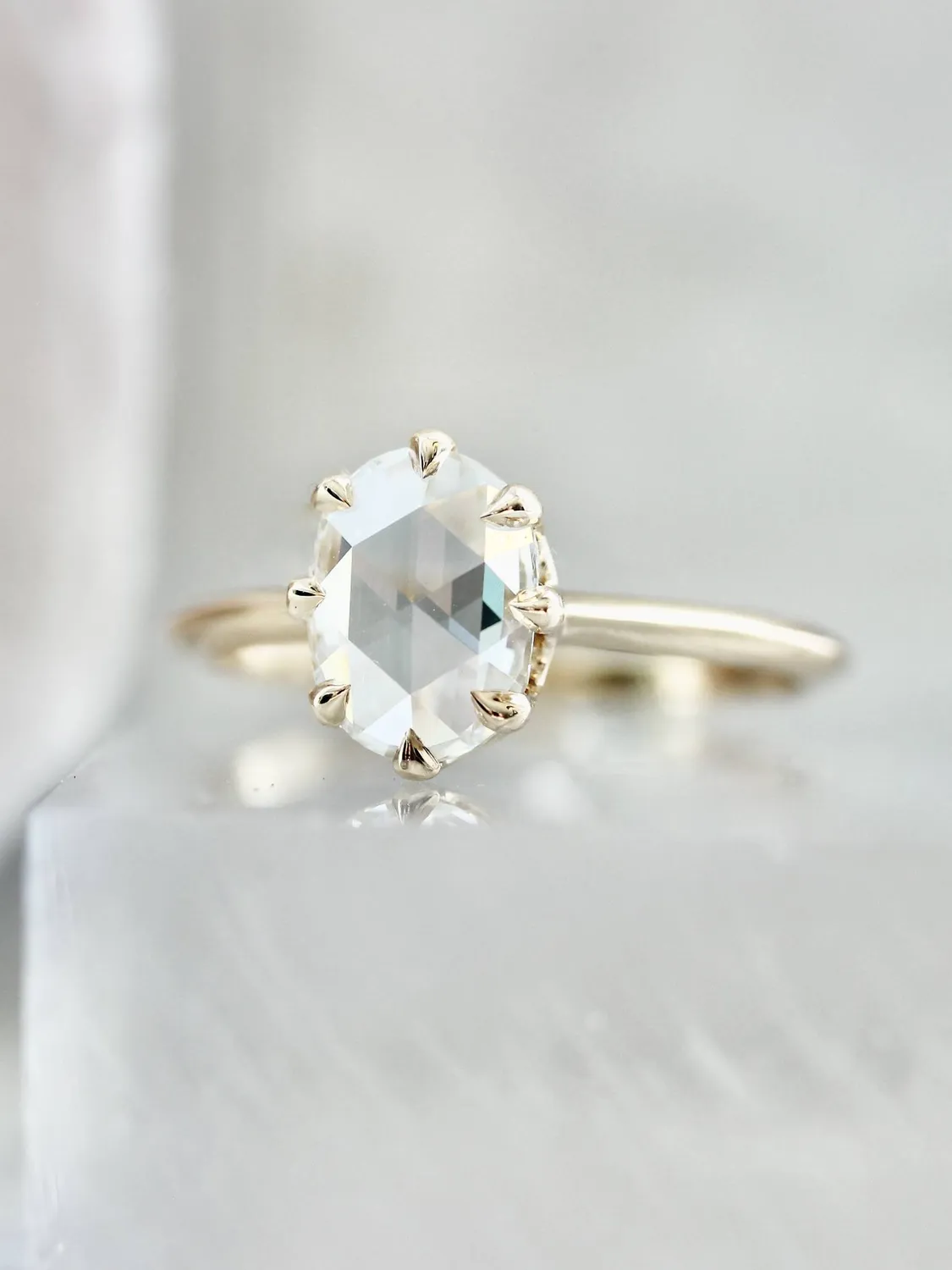
Highly polished metal enhances perceived brightness through contrast. As metal develops scratches or patina:
- Reflections soften.
- Contrast reduces.
- The diamond may appear less crisp.
Refinishing metal often restores the perception of sparkle even when the stone itself has not changed.
Lighting Changes
A ring viewed under soft indoor lighting may appear less brilliant than under directional natural light.
Over time, women may unconsciously compare sparkle under different conditions, assuming decline when lighting is simply less dynamic.
Well-cut diamonds maintain performance across varied environments, but no stone sparkles identically in all lighting.
When Cut Quality Matters Most
Diamonds with superior cut precision retain visible brightness even when slightly dirty. Poorly cut stones rely more heavily on ideal lighting conditions.
If sparkle diminishes quickly between cleanings, cut quality may not have been optimal initially.
Cut remains the strongest determinant of long-term visual performance.
Restoring Brilliance
To maintain sparkle:
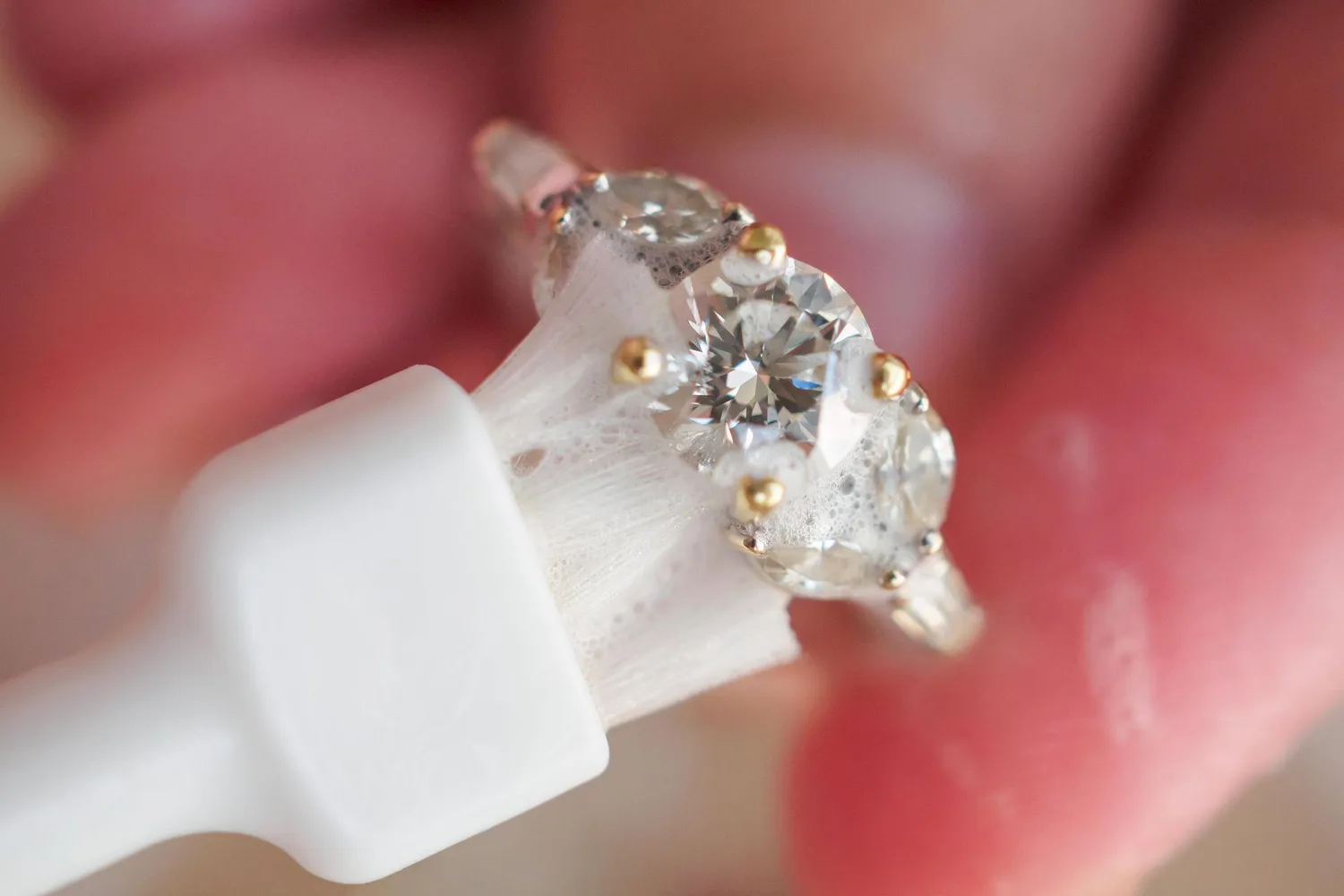
- Clean gently and regularly.
- Schedule annual professional inspection.
- Avoid heavy chemical exposure.
- Store separately to reduce abrasion.
- Check prong stability periodically.
Most sparkle loss is reversible with proper care.
FAQ
Do diamonds lose sparkle permanently?
No. Dullness is usually caused by buildup or misalignment.
How often should I clean my diamond ring?
Light cleaning every few weeks maintains performance.
Can scratches reduce brilliance?
Micro-abrasions over long periods may soften reflections.
Does metal polish affect sparkle?
Restoring high-polish metal improves contrast and visual brightness.
Can loose prongs reduce shine?
Yes. Slight tilting alters light performance.
Is sparkle loss a sign of poor quality?
Not always. Maintenance habits play a major role.
Should I repolish the diamond itself?
Only if professionally evaluated and necessary after many years.