Luster and brilliance are often used interchangeably, but they describe different visual properties. Luster refers to surface shine. Brilliance refers to internal white light return. Confusing the two can lead to misjudging diamond performance.
Understanding this distinction improves buying accuracy.
Surface Shine: What Luster Means
Luster describes how light reflects from the diamond’s exterior surface.
It is influenced by:
- Polish quality
- Surface smoothness
- Cleanliness
- Absence of abrasions
High luster creates a glossy, mirror-like surface appearance.
Poor polish or surface graining can reduce luster, causing the diamond to look slightly dull even if proportions are strong.
Luster is superficial. It does not describe internal light behavior.
Internal Light Return: What Brilliance Means
Brilliance measures how effectively a diamond reflects white light back to the viewer.
It depends on:
- Pavilion angle
- Crown angle
- Table percentage
- Symmetry alignment
Well-balanced proportions maximize internal reflection, creating brightness across the table.
A diamond may have excellent surface luster but weak brilliance if cut proportions are poorly coordinated.
Brilliance defines optical performance.
Polish Impact and Performance Difference
Polish grade on certification affects luster, not brilliance.
If polish is:
- Excellent or Very Good, surface reflections appear crisp.
- Fair or Poor, minor polishing lines may scatter surface light.
However, brilliance is primarily governed by cut precision.
Evaluation method:
- Observe the diamond face-up under neutral light.
- Check for bright internal reflection across the table.
- Tilt slowly and observe light return consistency.
- Inspect surface for visible polish lines or haziness.
Distinguishing surface gloss from internal brightness is essential.
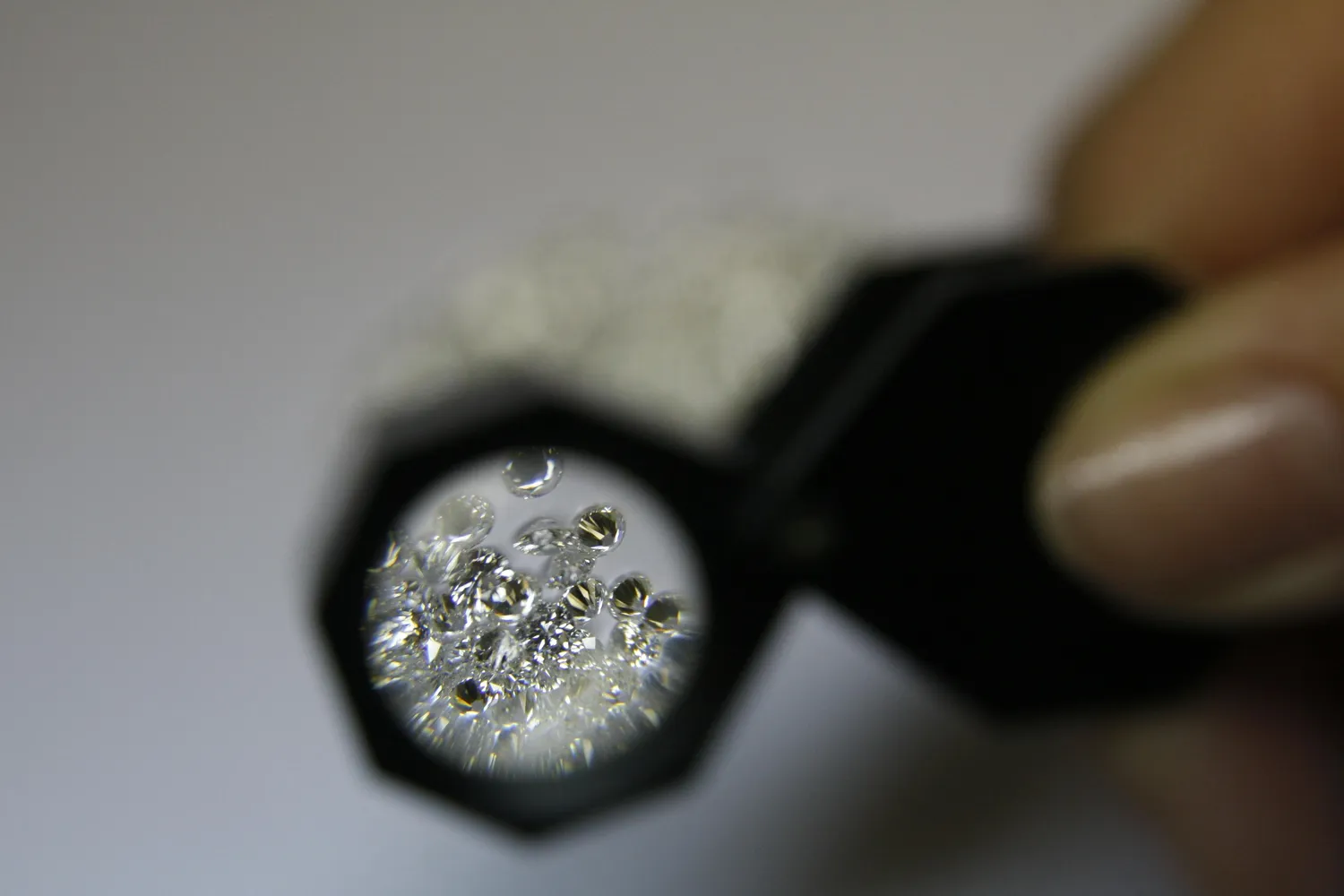
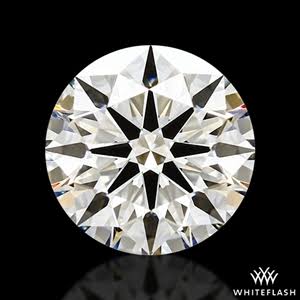
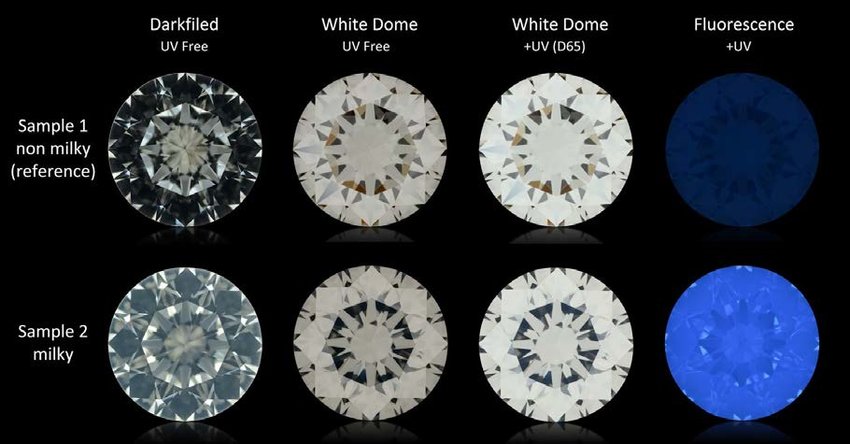
Visual Difference at Arm’s Length
At conversational distance:
- Brilliance dominates perception.
- Luster becomes noticeable only if polish is poor.
Buyers often mistake a highly polished but poorly proportioned diamond for a well-cut stone under strong lighting.
Neutral lighting clarifies the distinction.
Practical Buyer Evaluation
When comparing diamonds:
- Confirm polish grade on certification.
- Prioritize balanced crown and pavilion interaction.
- Avoid focusing solely on surface gloss.
- Evaluate performance in motion.
Brilliance carries long-term visual impact. Luster refines the finish.
FAQ
Is luster the same as brilliance?
No. Luster is surface shine; brilliance is internal light return.
Can a diamond have high luster but low brilliance?
Yes, if proportions are weak.
Does polish grade affect sparkle?
It affects surface gloss more than internal light performance.
Which matters more visually?
Brilliance has greater impact.
Are polish lines visible without magnification?
Rarely, unless severe.
Should I prioritize cut over polish?
Yes. Cut precision drives brilliance.
Does cleaning affect luster?
Yes. Dirt reduces surface shine.
What defines a visually strong diamond?
Balanced brilliance with crisp surface finish.