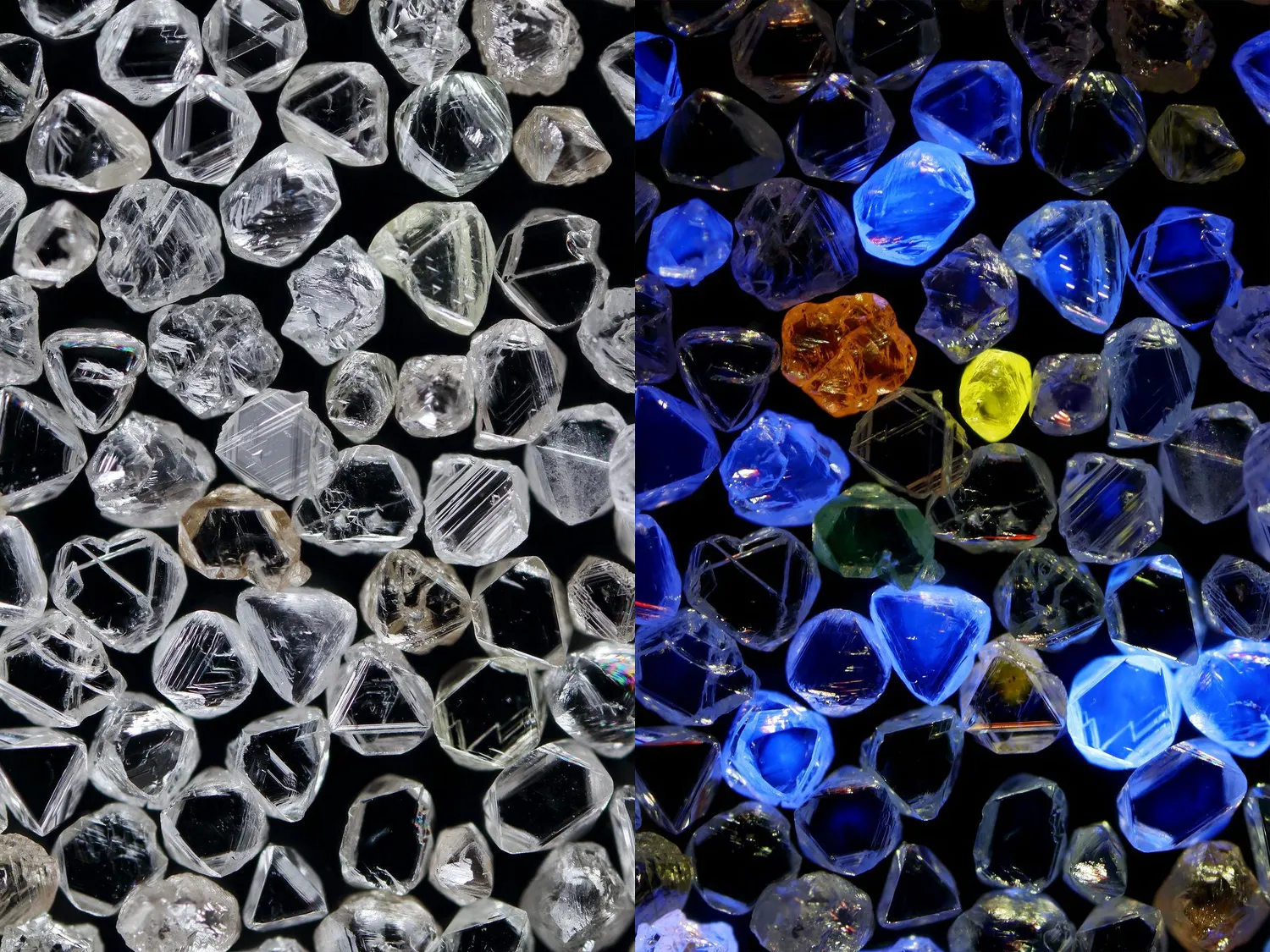
Fluorescence refers to a diamond’s reaction to ultraviolet light. In certain conditions, it can influence appearance and pricing. Understanding when fluorescence is beneficial requires proportion awareness and real-world testing.
Context determines value.
Price Advantage
Diamonds with medium to strong fluorescence often trade at lower prices compared to non-fluorescent stones of similar grades.
This discount may create opportunity when:
- Cut precision is strong
- Color grade sits within near-colorless range
- Visual performance remains stable in normal lighting
Fluorescence can offer value efficiency when appearance is unaffected.
Evaluation must be visual, not theoretical.
Outdoor Effect
In sunlight, which contains ultraviolet light, some fluorescent diamonds may appear:
- Slightly brighter
- Less warm in tone
- More neutral in face-up appearance
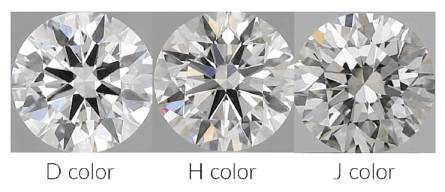
In lower color grades, faint to medium fluorescence can subtly counteract warmth.
Testing in natural daylight reveals practical impact.
Strong Fluorescence Caution
Excessively strong fluorescence may:
- Create a hazy or milky appearance
- Reduce transparency in rare cases
- Diminish contrast sharpness
This effect is uncommon but should be evaluated directly.
Visual clarity matters more than grade labels.
Visual Testing
When considering fluorescence:
- View the diamond in diffused daylight.
- Examine under indoor lighting without UV influence.
- Compare side by side with a non-fluorescent stone.
- Assess contrast stability and brightness.
If no haziness or reduced clarity appears, fluorescence may be advantageous.
Cut precision remains primary.
Integration With Metal and Setting
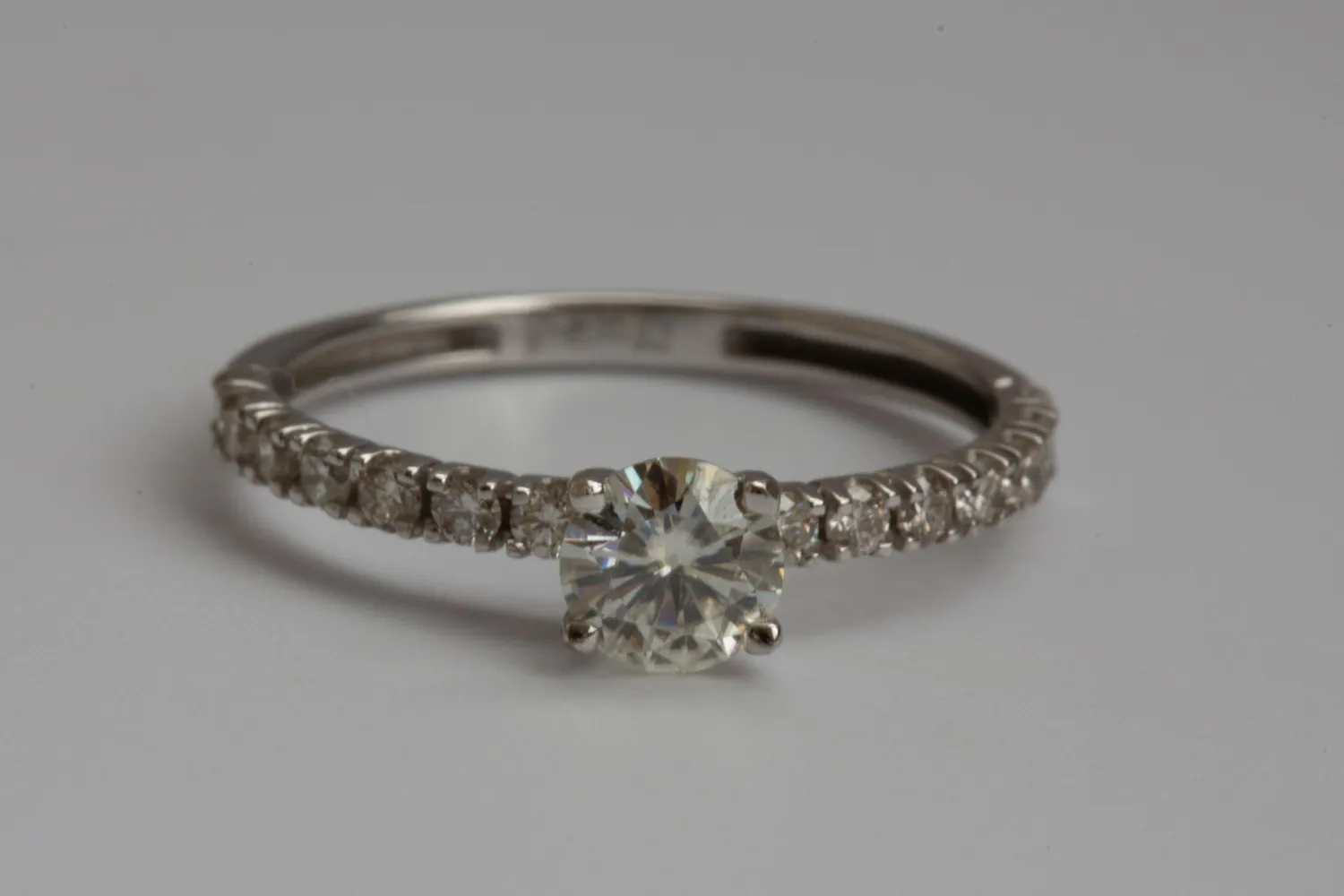
Fluorescence interacts subtly with metal tone.
In white metals:
- Neutral brightness may feel slightly enhanced outdoors
In yellow gold:
- Warm reflection may still influence perceived color
Setting does not eliminate fluorescence effects but may soften perception.
Proportion harmony remains essential.
Long-Term Consideration
Fluorescence does not change over time.
When selected thoughtfully, it can:
- Provide pricing flexibility
- Maintain stable appearance
- Support balanced sparkle in daylight
Avoiding fluorescence automatically may overlook value opportunities.
Assessment should remain empirical.
Frequently Asked Questions
Is fluorescence bad?
Not inherently. Impact depends on strength and visual performance.
Does fluorescence affect indoor appearance?
Usually not in standard lighting.
Can fluorescence make a diamond look whiter?
In some daylight conditions, yes.
Should I avoid strong fluorescence?
Evaluate visually for haziness before deciding.
Is fluorescence listed on grading reports?
Yes, typically described by intensity.
Does fluorescence affect durability?
No, it does not influence structural integrity.
Is fluorescence visible all the time?
Only under ultraviolet exposure.
What is the safest strategy?
Compare fluorescent and non-fluorescent stones side by side.