Two rings with similar carat weights can feel noticeably different on the hand. Weight perception is influenced not only by the diamond but by metal volume, distribution, and structural design.
For women wearing rings throughout the day, comfort depends on how weight is balanced, not simply how much material is present.
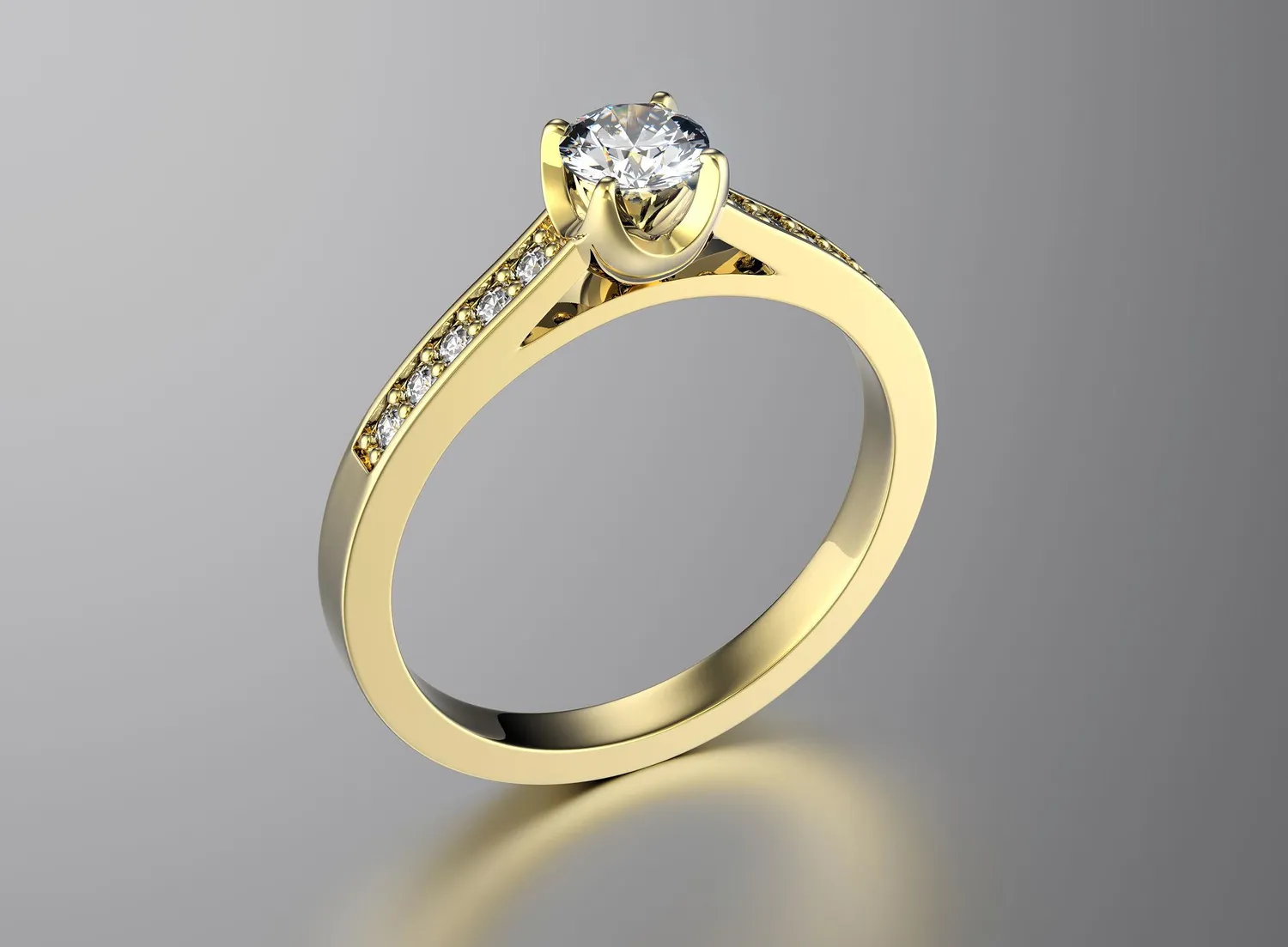
Metal Mass vs. Diamond Weight
Many assume the diamond determines how heavy a ring feels. In reality, metal often contributes more to total weight.
Factors that increase heaviness:
- Wide, thick shanks.
- Solid galleries beneath the center stone.
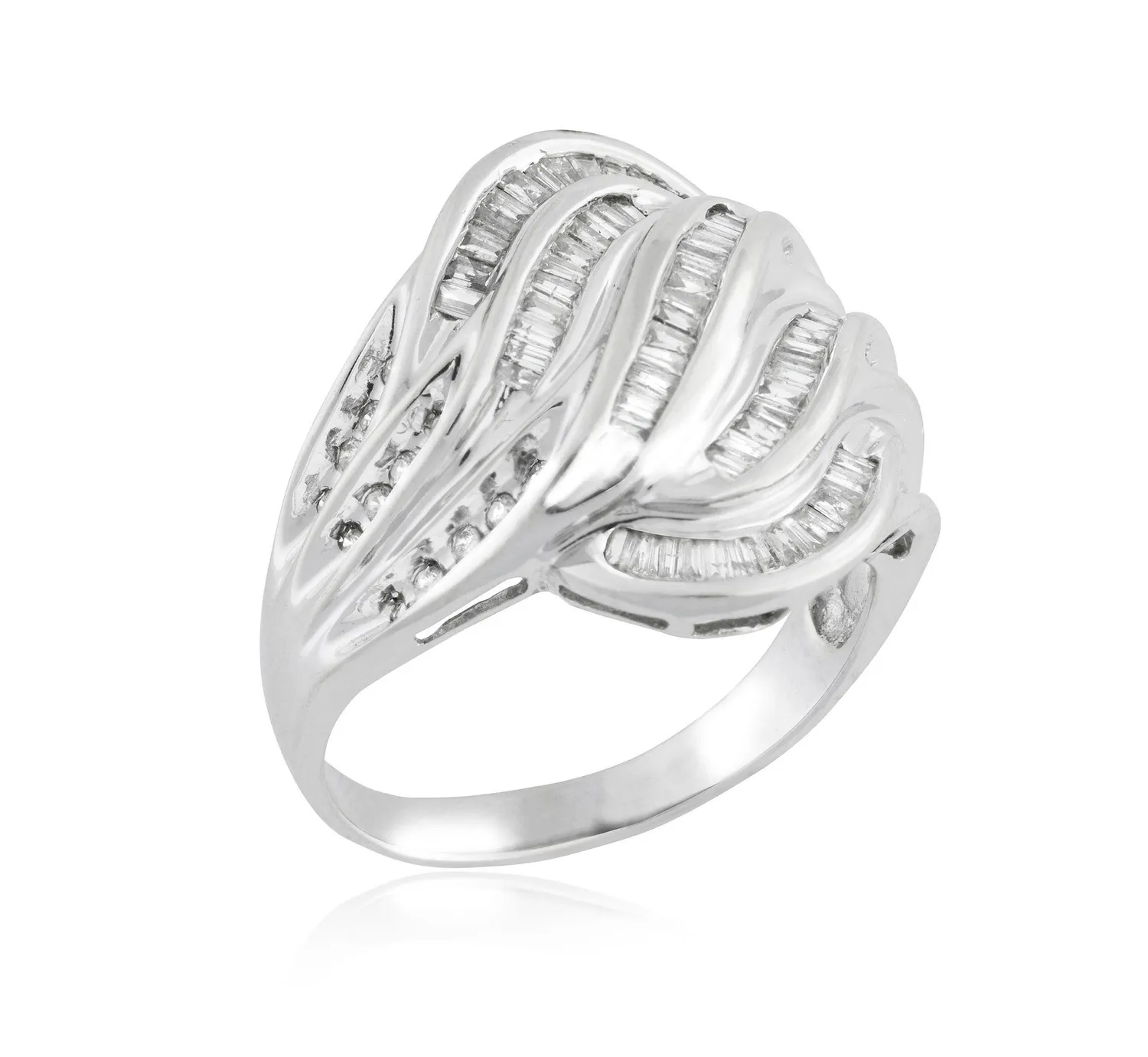
- Full pavé or channel-set bands.
- Thick bezels.
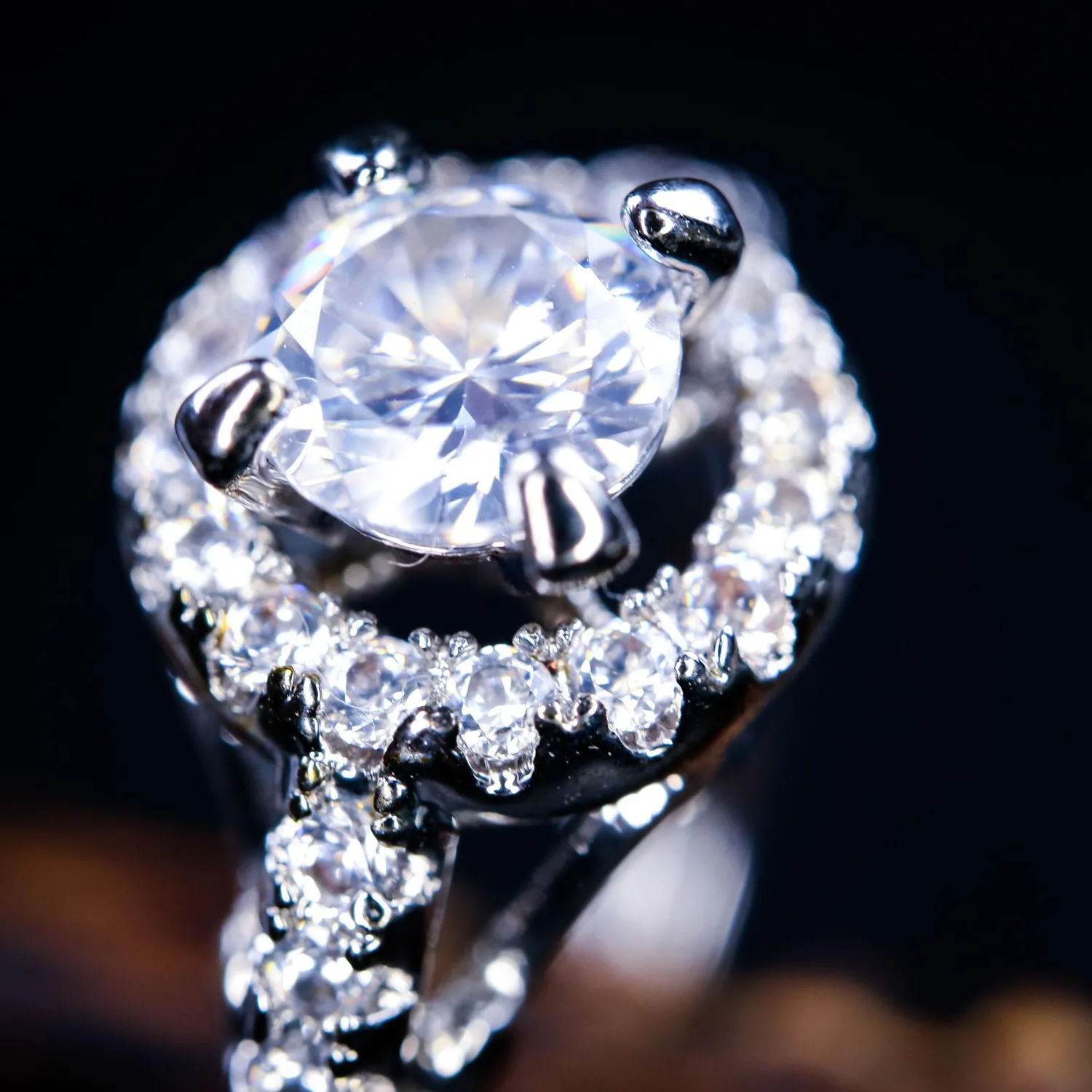
- Double halos.
A modest diamond on a substantial band may feel heavier than a larger stone on a minimal setting.
Weight Distribution Matters More Than Total Grams
A ring can be heavy yet comfortable if weight is evenly distributed.
Balanced design:
- Spreads metal mass around the entire circumference.
- Keeps the center of gravity low.
- Aligns head weight with shank support.
Top-heavy rings concentrate weight above the finger, increasing awareness and rotation.
Even lighter rings may feel uncomfortable if weight sits too high.
Hollow vs. Solid Construction
Some designs reduce weight using hollow components.
Hollow construction:
- Feels lighter.
- May reduce long-term durability.
- Can dent more easily.
Solid construction:
- Feels substantial.
- Resists deformation.
- Adds long-term resilience.
Weight alone does not determine quality. Distribution and structural integrity matter more.
Band Width and Surface Contact
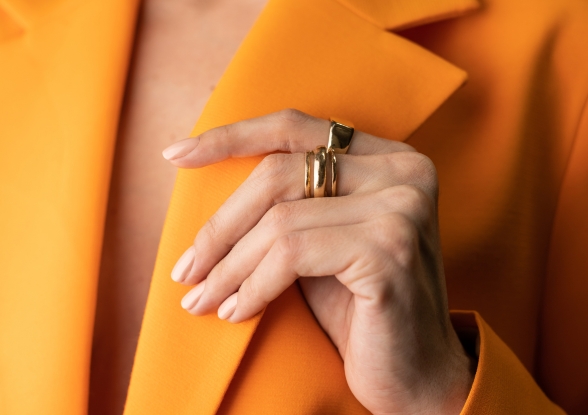
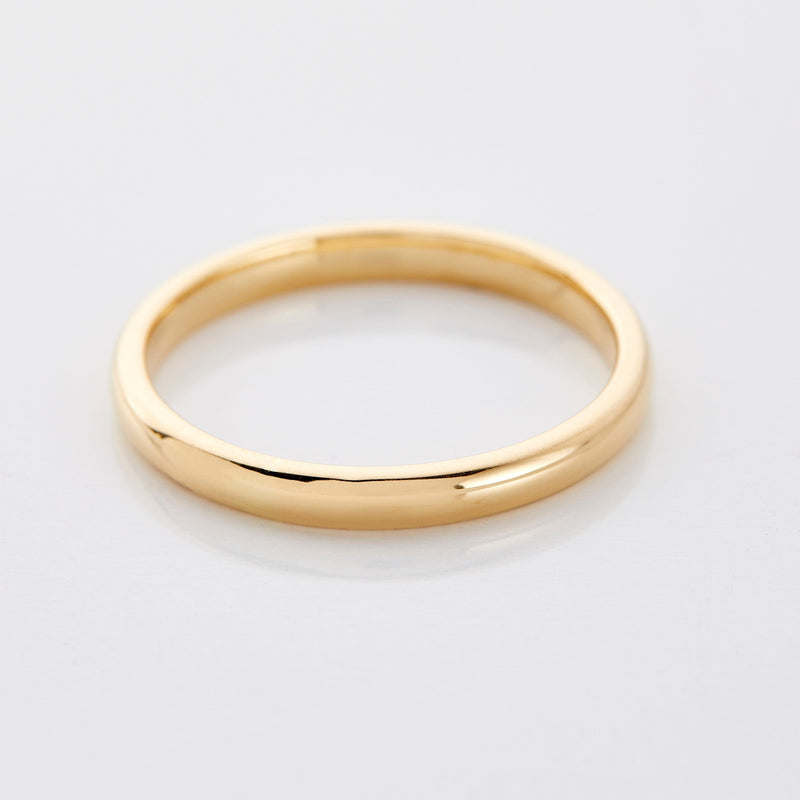
Wider bands increase surface contact with the finger.
Increased contact:
- Enhances stability.
- May amplify pressure during swelling.
- Feels heavier even if actual weight difference is small.
Comfort-fit interiors reduce pressure perception even in heavier rings.
Metal Type and Density
Different metals have different densities.
- Platinum is denser and often feels heavier.
- Gold alloys vary depending on karat and composition.
Two identical designs in different metals may feel significantly different.
Density affects perceived weight more than appearance suggests.
Long-Term Wear Considerations
Heavier rings may:
- Feel stable and durable.
- Resist bending.
- Provide structural security.
Excessively heavy rings may:
- Increase finger fatigue.
- Rotate if imbalanced.
- Feel intrusive during daily tasks.
Balance between durability and comfort is essential.
Practical Evaluation Tip
When trying on a ring:
- Wear it for at least 15 minutes.
- Move your hands naturally.
- Observe whether you remain aware of the weight.
- Compare with a similar design of different thickness.
Comfort should feel integrated, not noticeable.
FAQ
Does a heavier ring mean better quality?
Not necessarily. Distribution and craftsmanship matter more than total weight.
Why does platinum feel heavier than gold?
Platinum is denser and naturally weighs more.
Are hollow rings less durable?
They may dent more easily than solid constructions.
Can a wide band feel heavier than a large diamond?
Yes. Metal mass often exceeds stone weight.
Is some weight good for stability?
Yes. Balanced weight improves alignment and reduces rotation.
Do thicker bands always feel uncomfortable?
Not if interior curvature distributes pressure properly.
Should I prioritize lightness or solidity?
Prioritize balanced engineering suited to your daily lifestyle.