Jewelry gifting is rarely about the object alone. It’s about perception, timing, and understanding the person receiving it. When gifting is aligned with personality and context, the piece becomes meaningful. When it’s based on assumption, it can feel disconnected.
At Carat Culture, we view jewelry gifting as emotional strategy. It requires observation, not impulse. This guide explains how to read personality cues, avoid assumption mistakes, choose symbolic pieces thoughtfully, and present jewelry in a way that enhances emotional impact.
Reading Personality Cues
Before choosing a piece, observe daily behavior.
Look for patterns:
- Does she wear minimal studs or bold hoops?
- Is her wardrobe structured or relaxed?
- Does she prefer yellow gold or white metals?
- Does she layer frequently or keep it simple?
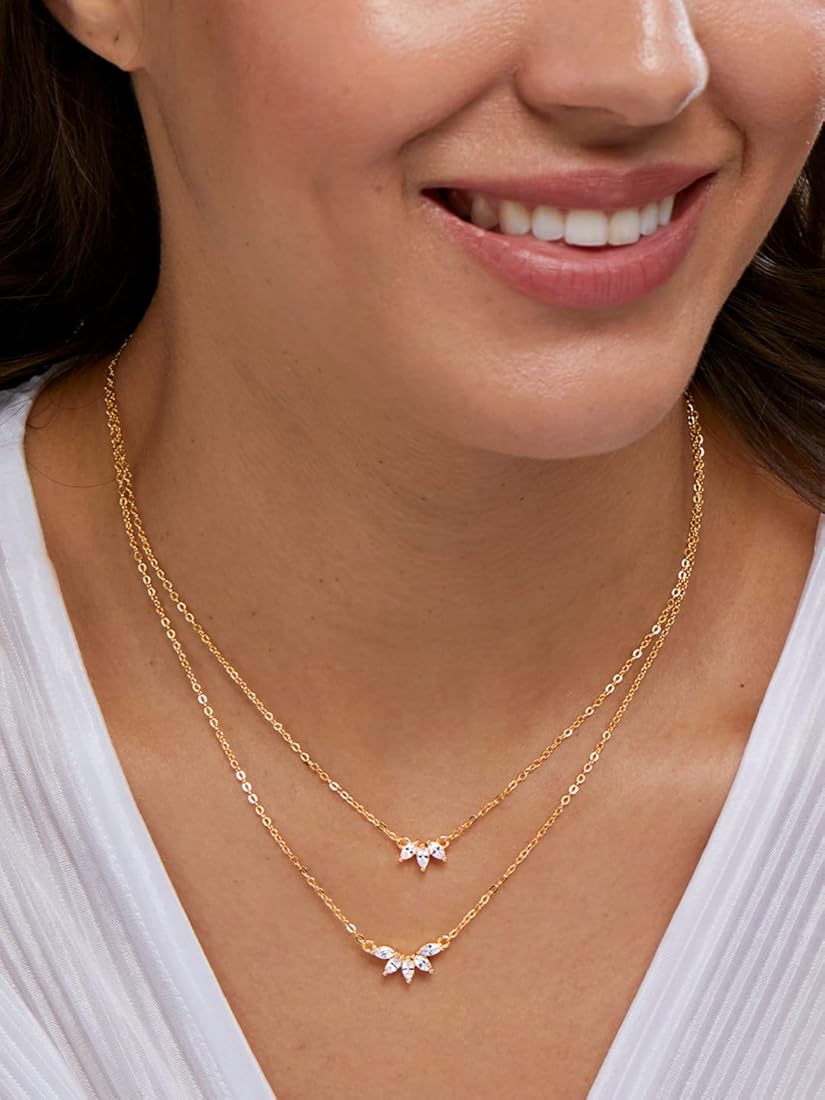
Her current jewelry tells you more than trend articles ever will.
Gift alignment begins with observation.
Avoiding Assumption Mistakes
Common gifting errors include:
- Choosing oversized pieces for someone who prefers subtlety
- Selecting highly ornate designs for minimalist personalities
- Buying trend-heavy items without understanding long-term style
Assumptions often come from projecting your own taste.
Instead, analyze her existing choices.
If she consistently wears slim bands and small pendants, that’s her comfort zone.
Symbolism Without Overstatement
Symbolic jewelry can be powerful, but subtlety ages better than overt messaging.
Stronger long-term choices often include:
- Clean solitaires
- Refined pendants
- Balanced diamond studs
- Simple bands marking milestones
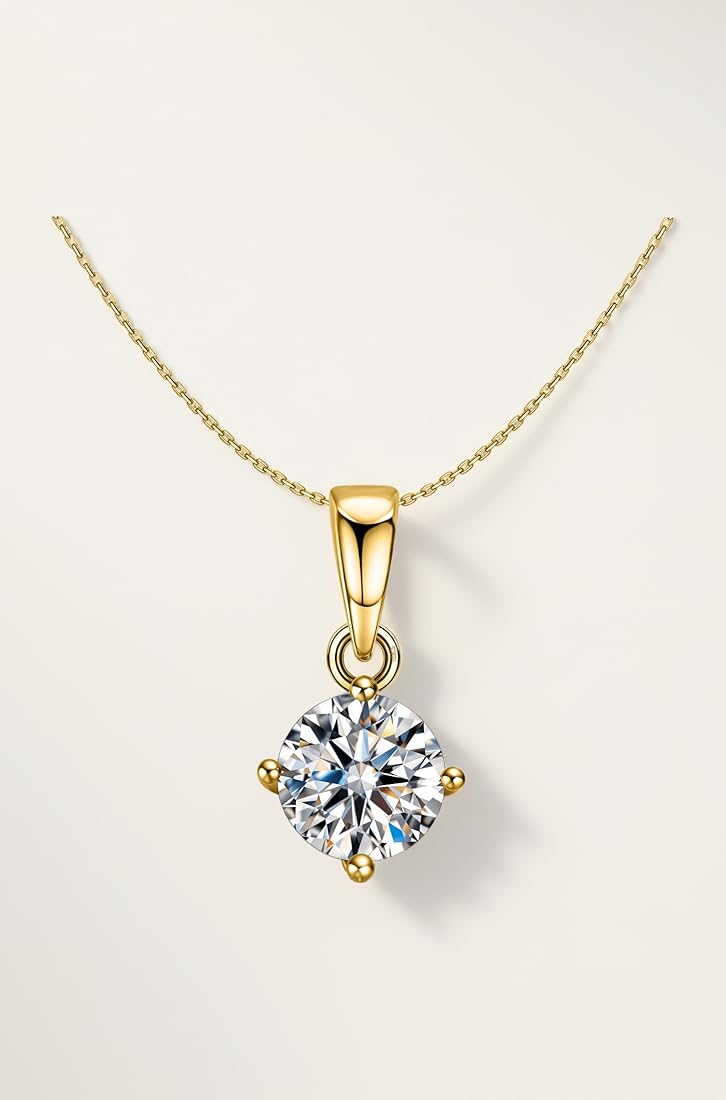
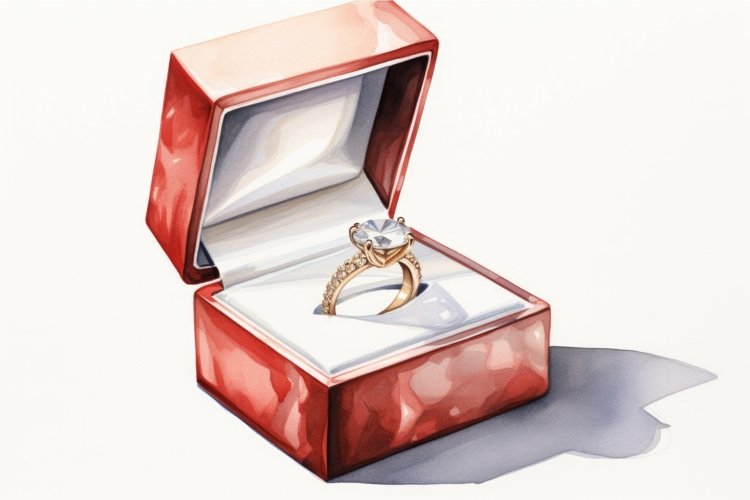
Meaning doesn’t require elaborate motifs.
The memory carries the symbolism.
Matching the Moment
Different milestones require different intensity levels.
For example:
- Graduation may call for foundational staples
- Career promotions may justify structural upgrades
- Anniversaries often suit refined enhancements rather than dramatic changes
Scale should match significance, but proportion must remain wearable.
Presentation Influences Perception
Emotional intelligence includes how the gift is presented.
Consider:
- Timing
- Setting
- Words spoken
A thoughtful explanation of why you chose the piece often matters more than the price.
Clarity creates emotional resonance.
Comfort and Wearability
Even the most beautiful gift fails if it’s uncomfortable.
Pay attention to:
- Ring sizing
- Earring weight
- Bracelet flexibility
- Necklace length
Wearability ensures the piece becomes part of daily life rather than stored away.
Avoid Over-Personalization
While engraved names or overt symbols may feel romantic, they can limit versatility.
Subtlety provides:
- Flexibility
- Longevity
- Broader styling compatibility
Emotional intelligence often favors restraint.
Natural vs Lab Grown
In gifting context, emotional alignment outweighs category.
What matters most:
- Cut quality
- Structural integrity
- Proportion balance
The visible beauty and durability influence long-term appreciation.
Common Mistakes
- Buying based on price rather than personality
- Choosing dramatic scale without context
- Ignoring her current jewelry habits
- Rushing the decision
Intentional selection strengthens emotional value.
FAQs
Should I ask directly what she wants?
Sometimes subtle conversation can help without removing surprise.
Is bigger always better for milestones?
No. Alignment matters more than size.
Are safe choices boring?
Not when they reflect her style accurately.
Should gifts match previous jewelry?
Cohesion improves wearability.
Does symbolism matter more than craftsmanship?
Both matter, but poor structure reduces longevity.
Final Thought
Jewelry gifting is less about spectacle and more about understanding.
When the piece reflects personality, fits comfortably, and aligns with life context, it becomes meaningful beyond its material value.
Emotional intelligence transforms jewelry from object to memory.
And memories last longer than trends.