Diamonds are often described as “indestructible.” Technically, this is incorrect. Diamonds are the hardest natural material on the Mohs scale — but hardness and durability are not interchangeable.
Understanding the science behind diamond structure clarifies how to wear and care for them properly.
Mohs Scale Basics
The Mohs scale measures scratch resistance, not toughness.
Diamond ranks 10 — the highest. This means:
- It can scratch any other natural material.
- Few substances can scratch it.
However, hardness only refers to resistance against surface abrasion. It does not mean the stone cannot chip or fracture.
The crystalline structure of diamond gives it extraordinary hardness — but also specific cleavage directions where force can cause breakage.
Scratch Resistance
Because diamonds resist scratching, they maintain polish longer than most gemstones. This is why older diamonds can still appear sharp and bright.
However:
- Diamonds can scratch other diamonds.
- Diamonds can abrade softer gemstones stored nearby.
Improper storage leads to micro-abrasions on surrounding jewelry.
Scratch resistance protects the diamond’s surface — not necessarily its edges.
Chipping Risk
Durability involves toughness, which refers to resistance to impact.
Diamonds possess cleavage planes — structural directions along which they can split if struck with sufficient force.
Areas most vulnerable to chipping:
- Thin girdles
- Sharp corners (e.g., princess, marquise shapes)
- Exposed points without protective prongs
High-impact events — dropping onto hard surfaces or striking metal edges — create risk, particularly for stones set in high profiles.
Cut precision and proper setting design reduce exposure.
Practical Care
Scientific understanding informs real-world wear.
To preserve durability:
- Avoid wearing diamond rings during high-impact activities
- Store diamonds separately
- Choose protective settings for pointed shapes
- Inspect prongs regularly
Low-profile settings reduce accidental impact. Balanced girdle thickness improves structural integrity.
Diamonds are exceptionally resilient — but not immune to physics.
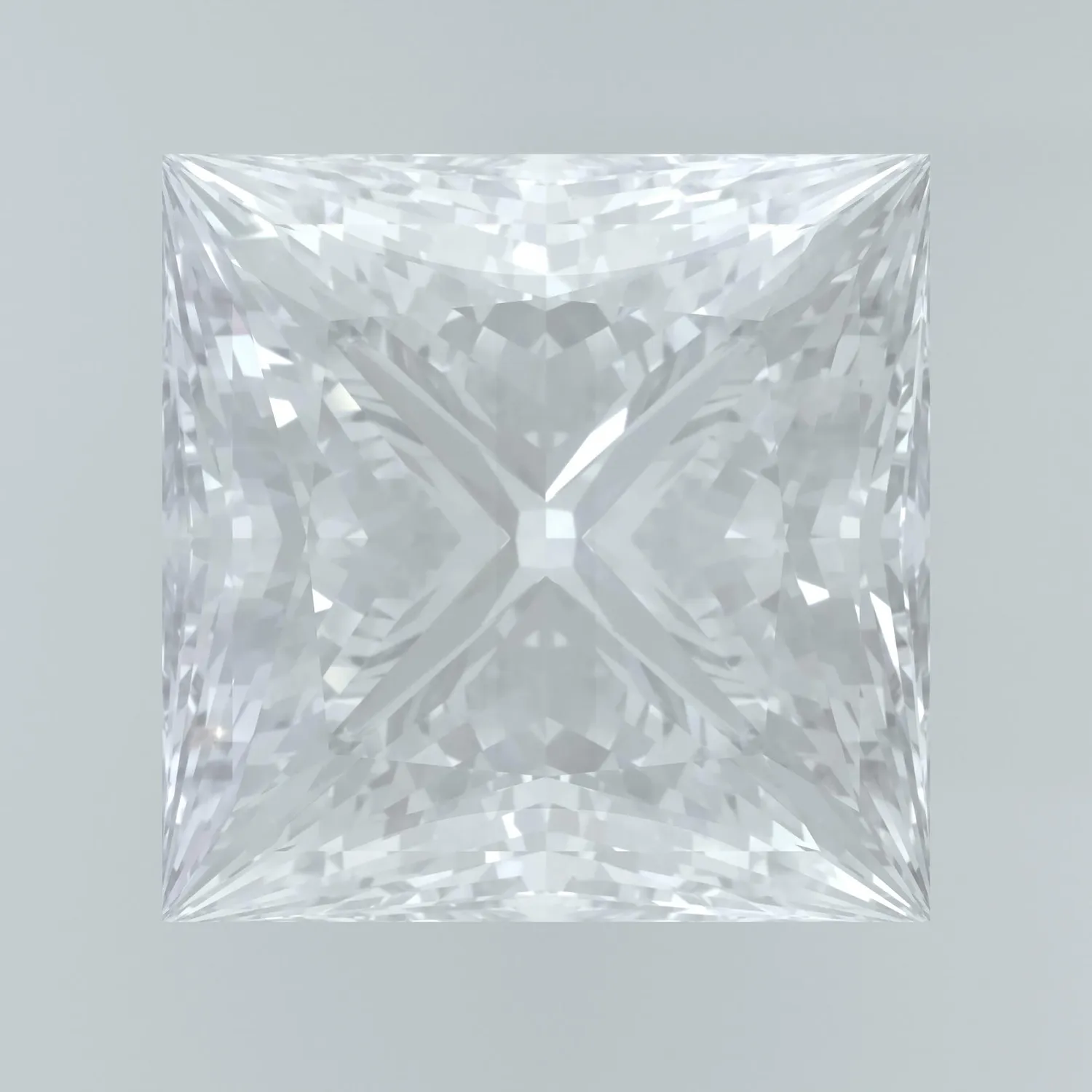
Hardness vs. Durability: Why the Distinction Matters
Hardness protects against scratching.
Toughness protects against breaking.
Diamonds excel in hardness but require mindful wear for impact protection.
Understanding this distinction prevents complacency — and reduces preventable damage.
FAQ
If diamonds are the hardest material, how can they chip?
Hardness measures scratch resistance, not resistance to impact. Cleavage planes make diamonds vulnerable to sharp force.
Are certain diamond shapes more durable?
Round brilliant cuts tend to be more durable due to lack of sharp corners.
Should I remove my diamond ring during workouts?
Yes. High-impact activity increases risk of chipping or prong damage.
Does a thicker girdle improve durability?
Moderate girdle thickness can enhance protection, but excessively thick girdles may affect visual spread.