A diamond does not exist visually on its own. The surrounding metal influences contrast, perceived color, brightness, and overall presence. Metal choice shapes how the stone is seen in real-world lighting.
Understanding this interaction prevents mismatched pairings.
Yellow vs White Metal Contrast
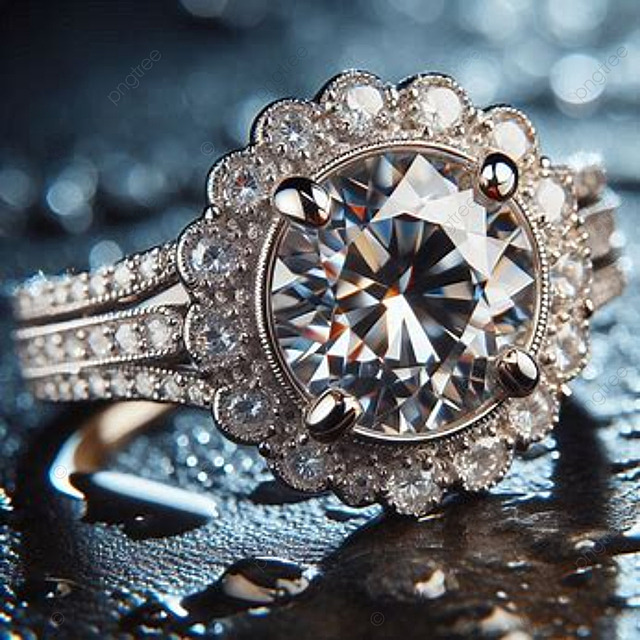
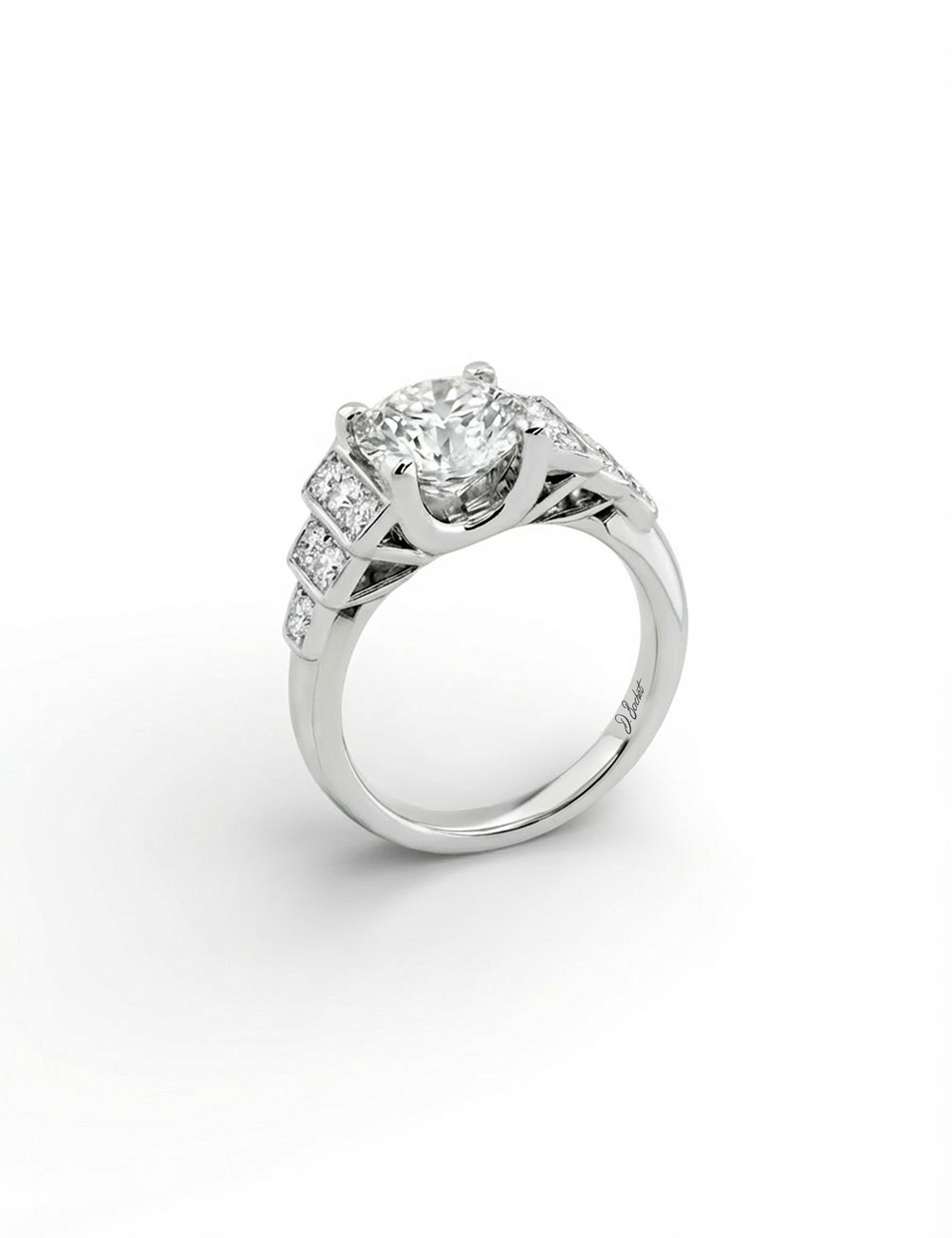
White metals such as platinum and white gold create high contrast around a diamond. This contrast:
- Emphasizes brightness
- Sharpens edge definition
- Highlights clarity and cut precision
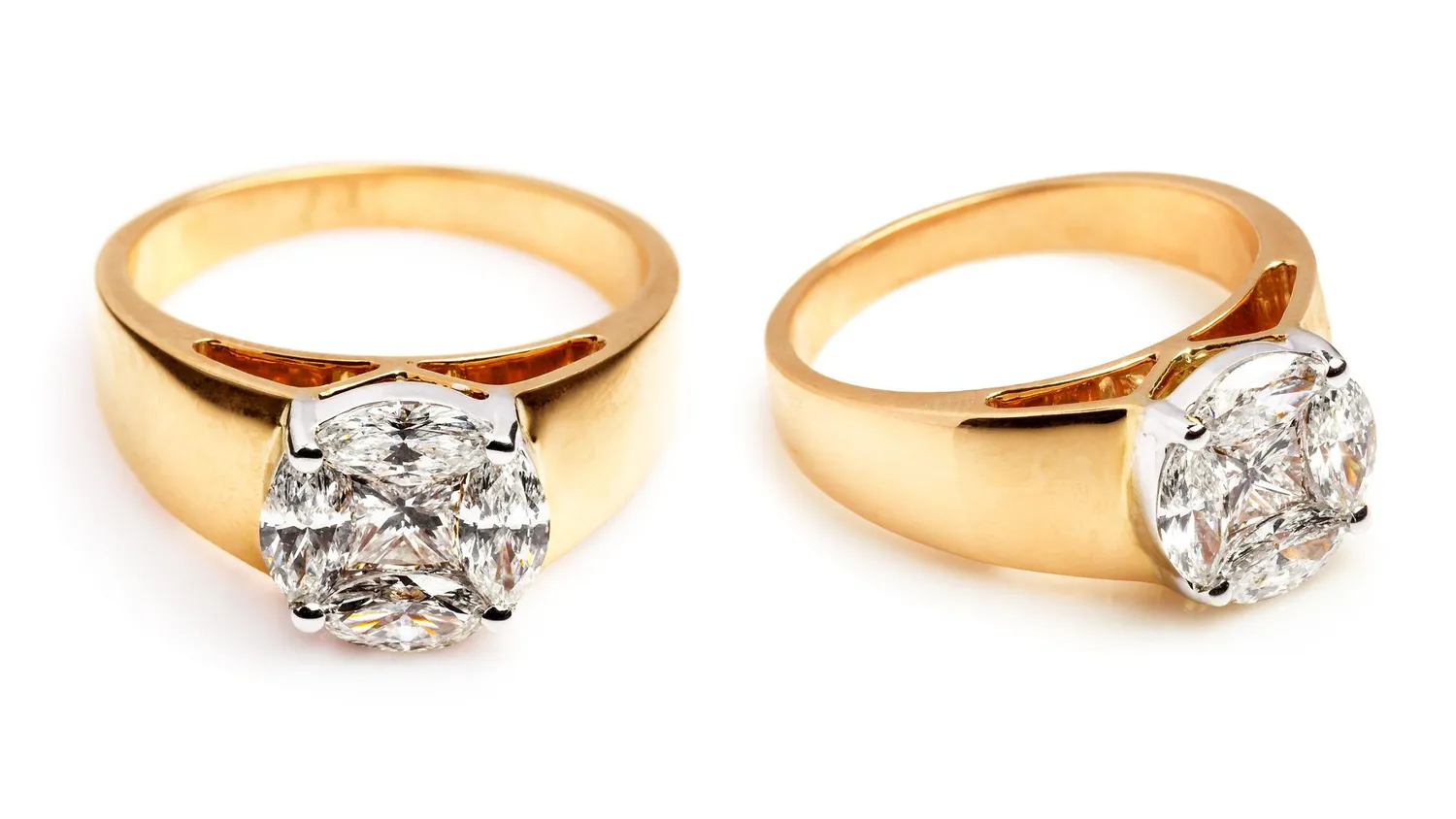
Yellow gold reduces contrast. It introduces warmth and can visually soften transitions between stone and setting.
Neither is inherently superior. The effect depends on the diamond’s color and proportion.
Color Reflection and Masking
Metal reflects light into the diamond’s lower facets.
In yellow gold:
- Slight warmth in near-colorless diamonds may blend seamlessly.
- Lower color grades can appear more balanced due to tonal harmony.
In white metals:
- Color differences become more visible due to contrast.
- Higher color grades appear especially crisp.
Halo designs in white metal can visually mask minor warmth by surrounding the center stone with bright contrast.
Metal choice can either reveal or soften color characteristics.
Setting Brightness and Light Behavior
Highly polished white metals reflect strong light back toward the stone, increasing perceived brilliance.
Matte or satin finishes diffuse reflection, slightly softening brightness.
Bezel settings reduce light entry from the sides but provide structural protection. Prong settings maximize exposure.
Metal structure interacts directly with light return.
Cut precision remains primary, but metal selection influences final presentation.
Long-Term Wear Considerations
Metal choice affects durability and maintenance.
- Platinum develops a patina over time but retains density.
- White gold may require periodic rhodium maintenance.
- Yellow gold shows scratches differently due to tonal warmth.
Lifestyle should guide metal selection.
Daily wear rings benefit from adequate shank thickness regardless of metal type.
Proportion and Metal Weight
Wider yellow gold bands visually dominate more than equally wide white metal bands.
High-polish wide bands amplify metal presence.
When pairing a modest center stone:
- Excessively wide bands may reduce perceived diamond size.
- Slim, proportionate bands preserve focal hierarchy.
Balance between stone scale and metal width remains critical.
Testing Before Committing
Evaluate the diamond in the intended metal when possible.
Observe:
- Edge definition in natural daylight
- Warmth reflection on the pavilion
- Overall contrast under diffused lighting
Small differences in metal tone create noticeable visual shifts.
Long-Term Visual Satisfaction
Metal influences daily perception more than many buyers anticipate.
A harmonious pairing ensures:
- Balanced contrast
- Stable brightness
- Cohesive collection integration
Selecting metal intentionally protects long-term satisfaction.
Frequently Asked Questions
Does white gold make diamonds look whiter?
High contrast can enhance perceived brightness, especially in higher color grades.
Can yellow gold hide warmth in diamonds?
It can soften the appearance of slight color.
Is platinum brighter than white gold?
Both appear bright, though platinum has a subtler luster.
Does metal finish affect sparkle?
Yes. High polish increases reflection; matte softens it.
Should metal match skin tone?
It should complement both skin tone and diamond characteristics.
Are bezel settings less bright?
They reduce some side light but offer durability.
Does metal affect resale value?
Metal choice may influence market preference but cut quality remains dominant.
How do I choose confidently?
View the diamond set in the metal type under natural lighting.