Most natural diamonds undergo cutting and polishing only. However, some stones receive artificial clarity or color enhancements to improve appearance. These treatments must be disclosed, as they influence durability, value, and long-term maintenance.
Understanding enhancement types protects buying decisions.
Laser Drilling Basics
Laser drilling is used to reduce the visibility of dark inclusions.
Process:
- A microscopic channel is drilled to reach an inclusion
- The inclusion is lightened or removed
- The tunnel remains within the stone
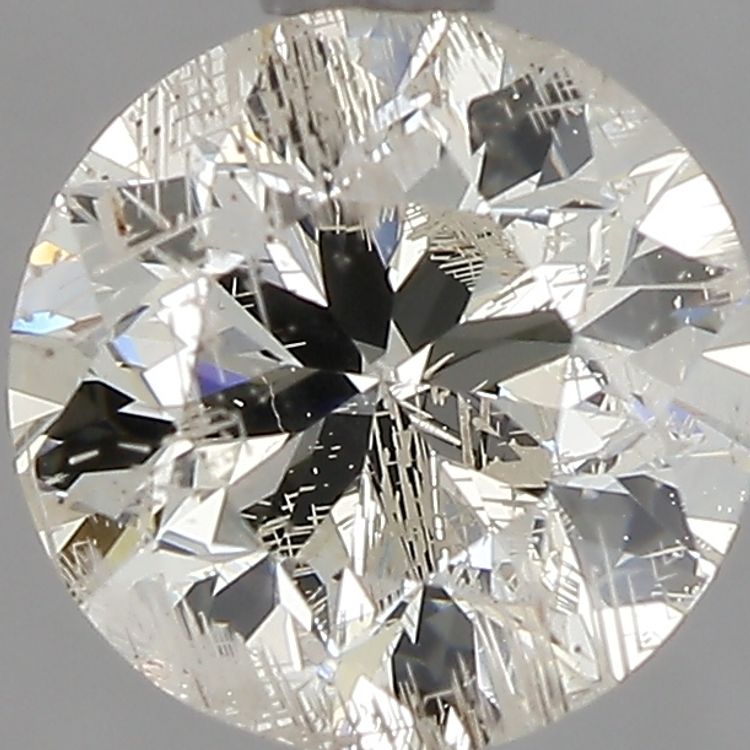
Under magnification, the drill channel may appear as a thin, straight line extending from the surface toward an inclusion.
While laser drilling can improve visual clarity, it permanently alters the diamond’s internal structure.
Fracture Filling and Surface Reaching Inclusions
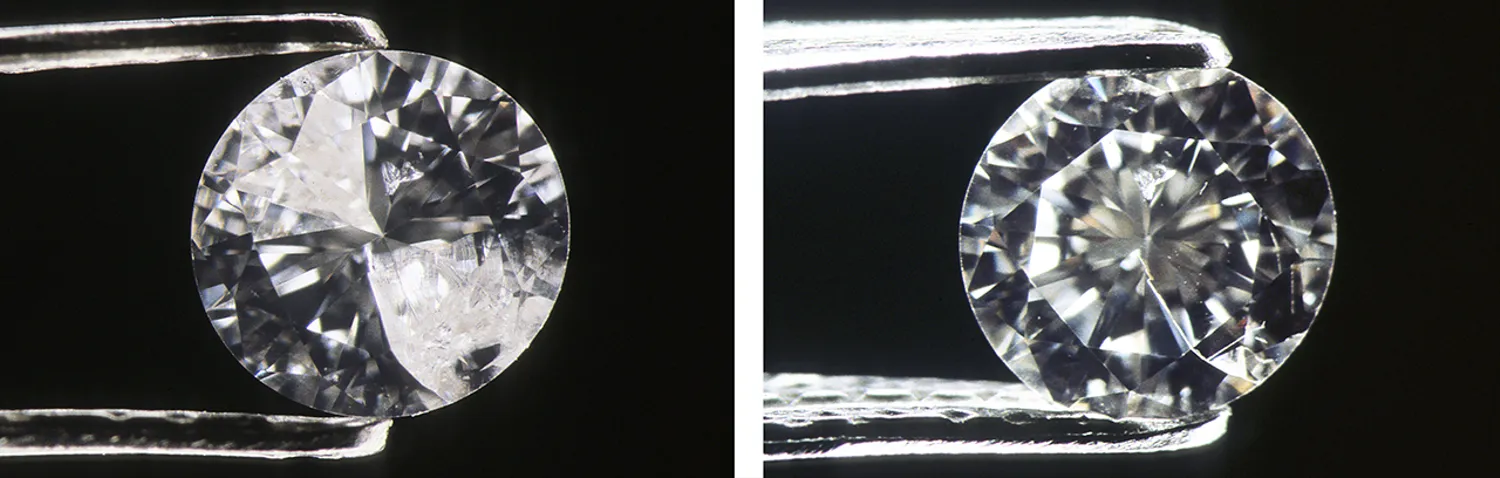
Fracture filling involves injecting a glass-like substance into surface-reaching fractures to reduce visibility.
Characteristics:
- Fills cracks or feathers
- Makes inclusions less noticeable
- Can degrade over time
Under certain lighting, filled fractures may show a flash effect, often blue or orange in color.
Fracture-filled diamonds require care. Heat during repairs can damage the filler.
Disclosure and Certification Importance
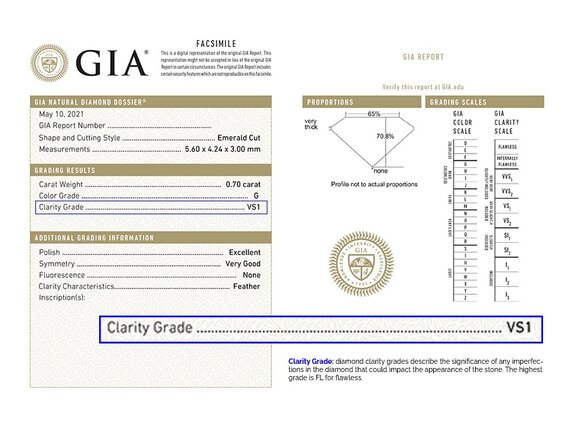
Reputable grading laboratories disclose enhancements clearly on reports.
When reviewing documentation:
- Look for clarity enhancement notes
- Confirm whether treatments are permanent
- Avoid stones lacking transparent disclosure
Enhanced diamonds often sell at lower prices than untreated equivalents. Price differences reflect treatment status.
Buying Caution and Long-Term Strategy
Enhancements influence:
- Resale value
- Insurance documentation
- Repair procedures
- Heat tolerance during setting
For long-term heirloom pieces, untreated diamonds are generally preferred.
Enhanced diamonds may suit short-term budget flexibility but require informed decision-making.
Visual Inspection Tips
When evaluating a diamond:
- Examine under magnification.
- Look for straight drill channels.
- Check for flash effects in fractures.
- Confirm disclosure on grading documentation.
Never rely solely on visual inspection without certification.
FAQ
Are enhanced diamonds real diamonds?
Yes, but they have undergone treatment.
Does laser drilling affect durability?
It minimally affects strength but alters structure.
Is fracture filling permanent?
No. Fillers can degrade with heat or wear.
Do enhancements lower value?
Yes, compared to untreated stones.
Are treatments always disclosed?
Reputable sellers disclose them clearly.
Can enhanced diamonds be resized safely?
Caution is required, especially with fracture-filled stones.
Should I avoid enhanced diamonds?
For long-term investment, untreated stones are generally preferred.
Is enhancement common?
It exists but should always be transparently identified.