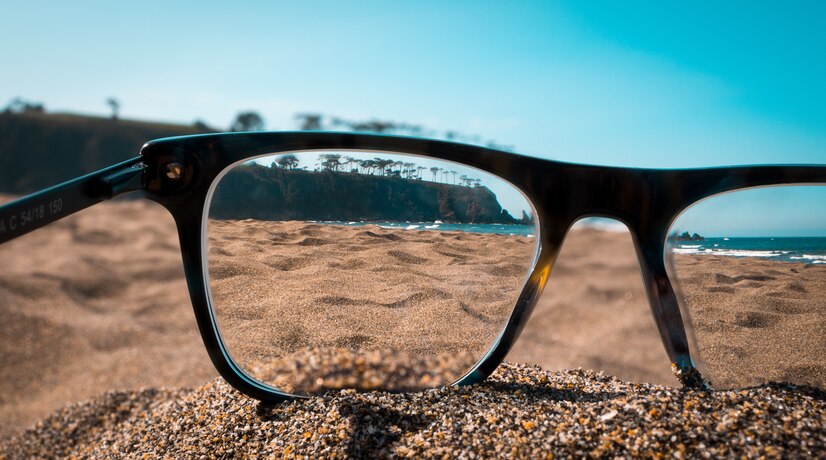
When it comes to selecting eyeglasses, the frame often steals the spotlight. However, the lenses you choose play an equally crucial role in ensuring that your eyewear is comfortable, effective, and suitable for your lifestyle. With advancements in optical technology, the variety of eyeglass lenses available today is greater than ever, making the choice sometimes overwhelming. This article will guide you through the process of selecting the best lens for eyeglass, focusing on material, coating, and lens types.
1. Lens Material
The material of the lens affects not only the weight and comfort of your glasses but also their clarity and durability. Here are the most common materials used for eyeglass lenses:
- Plastic: Once the standard for lenses, basic plastic lenses are lightweight and more impact-resistant than glass. Plastic is an excellent choice for mild to moderate prescriptions and is more cost-effective.
- Polycarbonate: These lenses are even lighter and more impact-resistant than regular plastic. Polycarbonate lenses are ideal for children, sports eyewear, and safety glasses. They also naturally provide UV protection.
- High-index Plastic: For strong prescriptions, high-index plastic lenses are thinner and lighter than regular plastic lenses. They reduce the "bug-eye" effect associated with high prescription glasses.
- Trivex: Similar to polycarbonate, Trivex lenses offer superior impact resistance and clarity. They are lightweight and provide 100% UV protection, making them an excellent choice for all-around use.
- Glass: Though much less common today, glass lenses offer the highest optical clarity. However, they are heavier and can shatter upon impact, which makes them less practical for everyday use.
2. Lens Coatings
Coatings can enhance the functionality and lifespan of your eyeglasses. Here are several types of coatings available:
- Anti-reflective (AR) Coating: This coating reduces reflections on the lenses, which enhances the aesthetic look of your glasses and improves your vision by allowing more light to pass through.
- Scratch-resistant Coating: Often added to plastic and high-index lenses, scratch-resistant coatings protect your lenses from surface damage. However, remember that no lens is completely scratch-proof.
- UV-blocking Coating: For added protection against harmful UV rays, a UV-blocking coating is essential if your lenses do not already provide 100% UV protection.
- Blue Light Blocking: In an era where digital screen use is prevalent, lenses that block blue light can help reduce eye strain and improve sleep quality by minimizing blue light exposure from computers and smartphones.
3. Lens Types
Depending on your vision needs, you might choose from several types of lenses:
- Single Vision Lenses: These lenses have a single prescription across the entire lens and are used to correct a single vision condition like nearsightedness, farsightedness, or astigmatism.
- Bifocal Lenses: Bifocals have two distinct optical powers to help you see clearly both near and far, typically separated by a visible line.
- Progressive Lenses: An upgrade on bifocals, progressive lenses provide a smooth transition between multiple lens powers for seeing at various distances, without any visible lines.
- Photochromic Lenses: These lenses automatically darken in response to sunlight and revert to clear indoors, offering convenient sun protection.
Conclusion
Choosing the right lens for your eyeglasses involves considering your prescription strength, lifestyle, and budget. Discussing your options with an optometrist or an eyecare professional can provide personalized advice and help you make an informed decision. With the right lens, not only will your vision be corrected, but your eyeglasses can also become a comfortable, durable, and stylish part of your daily life.