Remember when making a simple product video or marketing clip meant booking a studio, hiring an agency, waiting two weeks, and blowing a massive chunk of your quarterly budget?
Those days are fading fast.
Today, video content rules every major digital channel—from TikTok and Instagram Reels to LinkedIn campaigns and website hero sections. Consumers demand video, but keeping up with that endless demand used to be an uphill battle for small and mid-sized businesses.
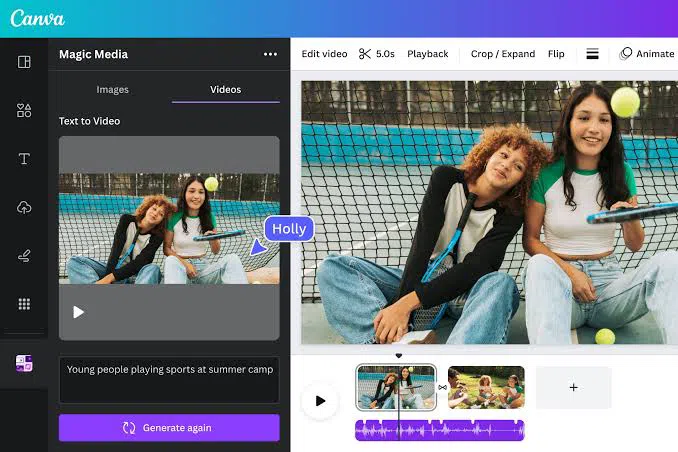
Enter AI video creation. What used to take days, thousands of dollars, and a crew of specialists can now be drafted, rendered, and optimized in minutes. But this isn’t about cutting corners; it’s about unlocking a level of creative agility that was previously impossible.
Let’s look at why businesses everywhere are integrating AI into their video workflows and how you can harness it without losing your brand's unique voice.
Why Traditional Video Production Was Hitting a Wall
Video has always been the highest-converting medium on the internet. The problem has never been its effectiveness—it's the friction.
The Cost Barrier: Professional equipment, actors, editors, and location scouting add up quickly, often pricing smaller teams out completely.
The Time Lag: By the time a traditional 30-second ad or product explainer goes through scripting, revisions, filming, and post-production, market trends have already shifted.
The Scaling Problem: If you want to test five different variations of an ad for different target audiences, you usually have to shoot five different videos.
AI video tools didn’t just make this process cheaper; they completely re-architected how content flows from an idea into a finished asset.
How Businesses Are Actually Using AI Video Today
Instead of replacing human creativity,AI video tools are acting as an omnipresent production assistant. Different business models are leveraging different facets of the technology:
1. E-Commerce & Product Demos
The Use Case: Transforming static product images or URL descriptions into dynamic, cinematic showcase ads.
Why it matters: Online shoppers want to see products in action. AI text-to-video and image-to-video platforms allow brands to generate clean product rotations, lifestyle clips, and social ads instantly, vastly reducing time-to-market for new inventories.
2. Multilingual Marketing & Avatars
The Use Case: Scaling localized video content across global markets using AI avatars and synthetic voice clones.
Why it matters: If you want to market a product in Spain, Japan, and Germany, you no longer need to hire separate voiceover artists and film distinct localized versions. Advanced tools can translate and lip-sync video presenters naturally into dozens of languages.
Higgsfield AI
3. Repurposing Long-Form Content (Webinars & Podcasts)
The Use Case: Automatically clipping hour-long webinars, podcasts, or team meetings into viral, bite-sized vertical videos for TikTok, YouTube Shorts, and Instagram.
Why it matters: Content efficiency. You record one long piece of thought-leadership content, and AI clips out the golden nuggets, formats them for vertical screens, and generates dynamic captions automatically.
4. Personalized Sales Outreach
The Use Case: Sending custom video messages where an AI-generated presenter speaks directly to individual prospects, addressing them by name and referencing their specific business needs.
Why it matters: Cold outreach gets ignored. Personalized video outreach commands attention, driving drastically higher response rates in B2B pipelines.
The Core Benefits: Beyond Just Saving Money
When companies adopt AI video workflows, the metrics that change aren’t just financial—they operationalize growth:
The Speed Advantage: Turning around a polished marketing clip drops from weeks to mere minutes, meaning you can capitalize on breaking trends or sudden market changes the same day they happen.
Rapid A/B Testing: Because generating multiple iterations of a video is virtually effortless, you can test different hooks, calls-to-action, and visual styles to see what resonates best with your audience.
Consistent Brand Presence: Modern tools allow teams to maintain character consistency, brand colors, and standardized messaging across dozens of different localized assets without starting from scratch every time.
UNI
Keeping It Human: The Golden Rule of AI Video
The biggest pitfall businesses face with AI video is leaning too heavily into automation without a human anchor. If a video feels robotic, stiff, or completely disconnected from your brand’s personality, your audience will scroll right past it.
The secret weapon is hybrid creation:
Use AI for the heavy lifting: Let AI handle the tedious tasks—generating B-roll, cutting clips, translating audio, drafting storyboards, and formatting aspect ratios.
Higgsfield AI
Inject human nuance: Write scripts that sound like a real conversation, add personal anecdotes, review the final output carefully, and ensure the message aligns with your core values.
The Bottom Line
AI video creation is no longer a futuristic novelty reserved for tech giants—it is an accessible, standard component of modern digital marketing. By lowering the barriers of cost and complexity, it allows lean teams to compete with enterprise budgets simply by moving faster and testing smarter.
The question is no longer whether you should incorporate AI into your video strategy, but how quickly you can start turning your ideas into motion.
Are you currently experimenting with video content for your business, or are you looking to solve a specific bottleneck like ad creation or content repurposing?