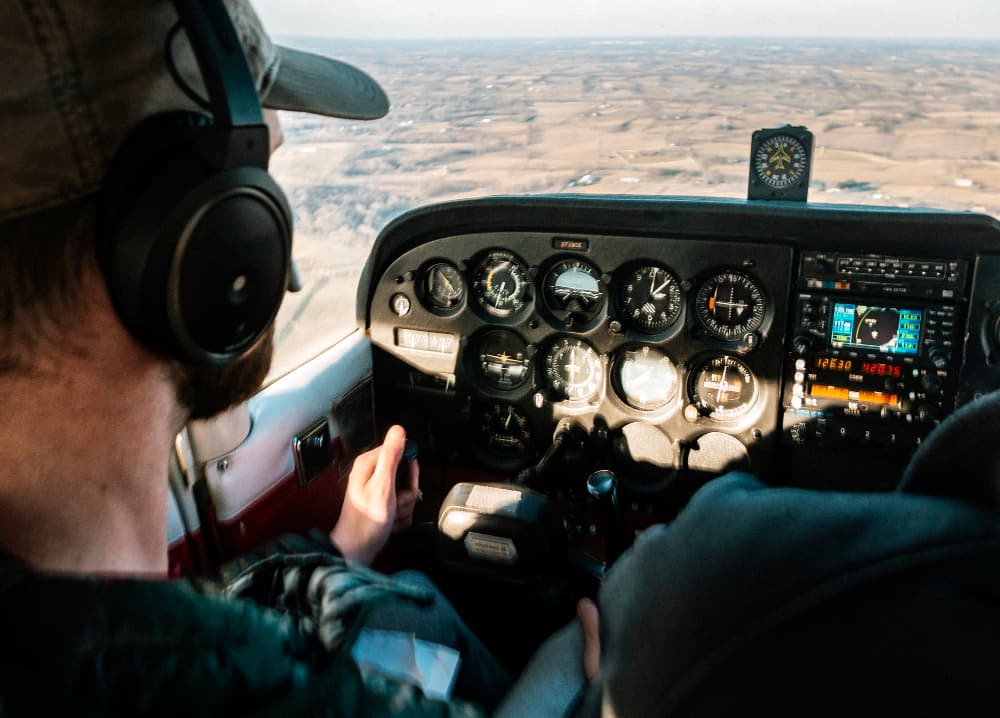
Learning how to get a pilot licence in Australia is the first step toward becoming a private or commercial pilot. Whether you want to fly for recreation or start a professional aviation career, this guide explains everything you need: requirements, costs, licence types, and the step-by-step process.
Thousands of Australians begin flight training every year, and with the right roadmap, becoming a licensed pilot is more achievable than most people think.
What Is a Pilot Licence in Australia?
A pilot licence is an official certification issued by the Civil Aviation Safety Authority (CASA), allowing you to legally operate an aircraft in Australia.
Similar to a driver’s licence, it confirms that you have completed:
- Flight training
- Theory exams
- Medical requirements
- Practical flight assessments
Pilot licences ensure all pilots meet strict safety and competency standards before flying solo or carrying passengers.
Why You Need a Pilot Licence to Fly
Flying an aircraft requires advanced knowledge of:
- Weather and meteorology
- Navigation and airspace rules
- Aircraft systems
- Emergency procedures
- Radio communication
A CASA pilot licence ensures pilots can operate safely within Australian aviation regulations. It is also legally required for most powered flight operations.
Types of Pilot Licences in Australia
Recreational Pilot Licence (RPL)
The RPL is the entry-level pilot licence in Australia.
You can:
- Fly single-engine aircraft within 25 nautical miles (with extensions available)
- Carry passengers (subject to conditions)
- Build foundational flying experience
Ideal for beginners and recreational flying.
Private Pilot Licence (PPL)
The PPL is the most common pilot licence for aspiring aviators.
You can:
- Fly anywhere in Australia
- Carry passengers
- Operate a wider range of aircraft
However, you cannot fly commercially for payment.
The PPL is the main stepping stone toward a commercial pilot career.
Commercial Pilot Licence (CPL)
The CPL allows you to work as a paid pilot.
Career options include:
- Charter pilot
- Flight instructor
- Aerial survey pilot
- Regional airline pilot
This licence requires significantly more flight hours and advanced theory knowledge.
Air Transport Pilot Licence (ATPL)
The ATPL is the highest level of pilot licence in Australia.
It is required to:
- Command commercial airliners
- Operate as a senior airline pilot
Most pilots reach this stage after years of commercial flying experience.
Pilot Licence Requirements in Australia (PPL)
To get a Private Pilot Licence (PPL), CASA requires:
- Minimum age: 17 years
- Aviation medical certificate (Class 2 or Basic Class 2)
- English language proficiency (ICAO standard)
- Minimum 40 flight hours (national average: 60–70 hours)
- Pass CASA theory exam
A medical assessment is strongly recommended early in your training.
How to Get a Pilot Licence in Australia (Step-by-Step)
Step 1: Complete Aviation Medical (Week 1–2)
Book a medical with a CASA-approved DAME. A Class 2 medical typically costs $400–$500.
Step 2: Apply for ARN and ASIC
- Get your Aviation Reference Number (ARN) via myCASA (free)
- Apply for your Aviation Security Identification Card (ASIC) (~$250–$300)
ASIC approval can take several weeks.
Step 3: Start Flight Training
Enroll in a CASA-approved flight school (Part 141 or 142).
Training includes:
- Dual instruction flights
- Ground theory training
- Basic aircraft handling
Step 4: First Solo Flight
Your first solo flight typically happens at 15–20 hours of training. This is a major milestone in pilot training.
Step 5: Pass CASA Theory Exam
You must pass a comprehensive aeronautical knowledge exam covering:
- Air law
- Navigation
- Meteorology
- Human factors
- Aircraft systems
Step 6: Cross-Country & Final Flight Test
Complete solo navigation flights before your final flight test with a CASA-approved examiner.
Once passed, you receive your Private Pilot Licence.
How Long Does It Take to Get a Pilot Licence?
- Full-time training: 6–12 months
- Part-time training: 12–24 months
Most students complete training in 60–70 flight hours on average.
Cost of Getting a Pilot Licence in Australia
The cost of a PPL in Australia typically ranges:
AUD $30,000 – $38,000+
This includes:
- Flight training hours
- Instructor fees
- Aircraft hire
- Landing fees
- Theory materials
- Exam and test fees
Costs vary depending on aircraft type, school, and training frequency.
How to Choose a Flight School in Australia
When selecting a flight school, consider:
- CASA approval (Part 141 or 142)
- Aircraft fleet condition
- Instructor experience
- Training location and airspace complexity
- Transparent pricing structure
- Student reviews and success rates
Training in controlled airspace provides better real-world experience.
Career Opportunities After Getting a Pilot Licence
After earning a PPL, pilots can progress toward CPL and ATPL careers such as:
- Flight instructor
- Charter pilot
- Agricultural pilot
- Aerial survey pilot
- Regional airline first officer
- Commercial airline pilot
Australia has strong demand for qualified pilots, especially in regional aviation.
Final Thoughts
Getting a pilot licence in Australia is a structured but achievable process. With proper training, medical clearance, and commitment, you can progress from beginner to licensed pilot in under a year.
The key is choosing the right flight school such as Goldwings Aviation Australia and following a clear training pathway.